-
If We are All sure We are right, Who’s wrong. Data Mining and the Dangers of Curated News.
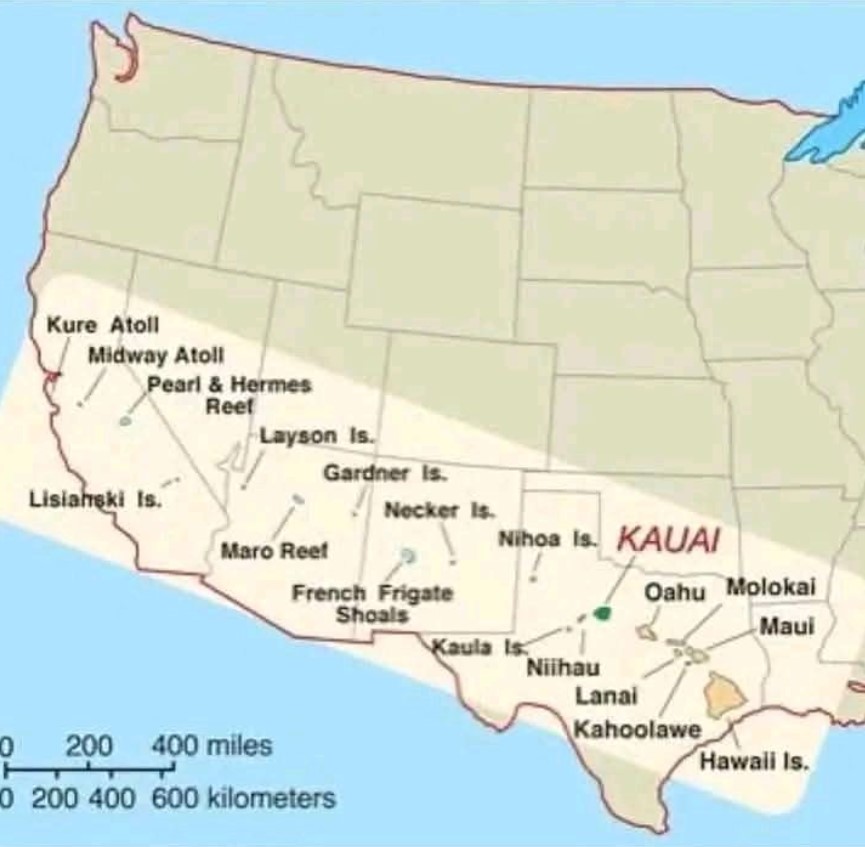
Did you know the Hawaiian Islands are that spread out? It’s like when someone visits the U.S. for a week and thinks they can drive coast to coast and back—nice idea, not realistic.
Today, CNBC real estate contributor Diana Olick sounded the alarm on mortgage delinquencies. But context matters. The increase was barely a blip, rising from 0.95% to 1.01%. Blink and you’d miss it.
There’s a real danger when the news is tailored just for us—not for everyone. It tells us exactly what we want to hear, exactly when we want to hear it. And that’s the problem.
We’re making financial decisions that will shape the rest of our lives—based on what, exactly? Take a moment. Breathe. Mortgage rates are gradually coming down, and real estate has consistently proven to be one of the best long-term investments.
http://www.YourApplicationOnline.com
-
Throwback Thursday. Rollback Capital Requirements could drop Rates a Point this Summer.
Market Update
The Federal Reserve is proposing a reduction in bank capital reserve requirements from 5% to 3.5%. While that may seem like a small shift, it could significantly impact interest rates. Why? Because it would free up billions in capital, giving banks more lending power. If approved, we could see this take effect as early as this summer.
Economic Data Highlights:
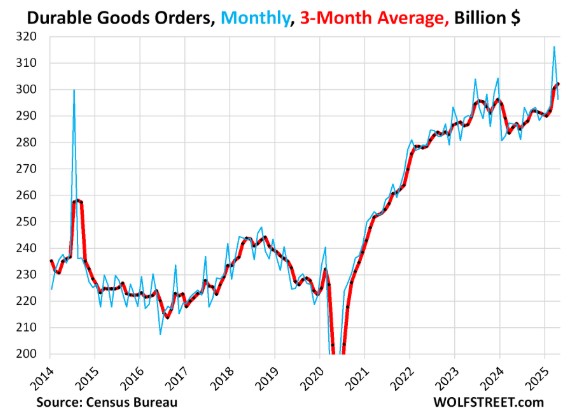
- Durable Goods Orders surged 16.4% last month nearly double the 8.5% forecast. Big-ticket items like appliances are still in demand.
- Jobs Market continues to show stress. Layoffs are rising, and it’s taking longer for people to find new employment. This has been a consistent trend in recent months and may persist.
- Pending Home Sales came in stronger than expected, up 1.8% versus a projected 0.5%.
My Take:
There’s a fundamental shift happening—not just in the economy, but in the bond market itself. This time, it feels real. Palpable.Let’s get you ready. Soft Credit Pull http://www.YourApplicationOnline.com
-
Do I watch Golf for four hours or Powell’s congressional hearing? Its a tossup.

For the second day in a row, Fed Chair Powell is testifying before Congress and yes, I totally geek-ed out. I ended up watching for over 40 minutes… while technically working. Multitasking at its nerdiest.
Powell made a comment I’m paraphrasing.
If we get it wrong our future generations will pay the price.
The thing about waiting on a decision is… well, that is the decision.
A growing group of Fed voters are starting to disagree, I know its shocking. And that ever-elusive 2% inflation target?
Based on data that’s about as precise as weighing an apple by counting every atom. Technically possible, totally impractical. Kind of like expecting perfection in an imperfect world.
New Home Sales came in weaker than expected, but home values continue to climb up 3.7%.
Get outside and enjoy the summer sunshine! Have a great rest of your week. Just two more days until Vegas. I’ll be sure to send pics!
http://www.YourApplicationOnline.com
-
When Doves Cry or Fly… Prince

Rate improvement today isn’t necessarily tied to Powell’s testimony before Congress, but rather to the growing shift among Fed officials. Doves like Fed Governor Bowman and Chicago Fed President Goolsbee are now aligning with Governor Waller in signaling potential rate cuts as early as July.
What’s truly powerful is how much impact a single point drop in the Fed rate can have. It ripples through the economy and directly benefit middle and lower-middle class consumers.
Doves lean towards easing rates, Hawks have their talons poised for a long battle.
Home Values
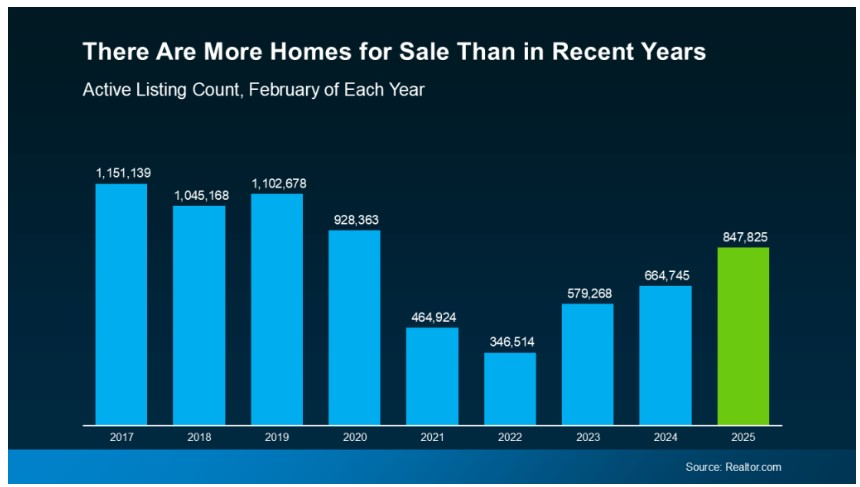
Year-over-year, home prices rose 2.7%. However, some of the areas in the South and Southeast that saw the sharpest gains are now starting to come back down to earth.
Have a great rest of your week and stay cool. We are headed to Vegas Friday, Temps 104 this weekend.
http://www.YourApplicationOnline.com

-
How Did the Iranian Conflict affect stocks and bonds? Not much.
I was surprised to wake up this morning and see little movement in the stock or bond markets. Sure, bonds improved—but most of that happened last week. And stocks? They’re up, not down.
Oil prices, nope. started out higher but settled back were it was.
So what’s going on?
Iran has responded so maybe that is what the market is waiting for. But still no real change in the stock or bond market this late morning.
How many times have the Strait of Hormuz closed?
Never, even during the Gulf War. It cost more to ship but that was represented in gas prices.
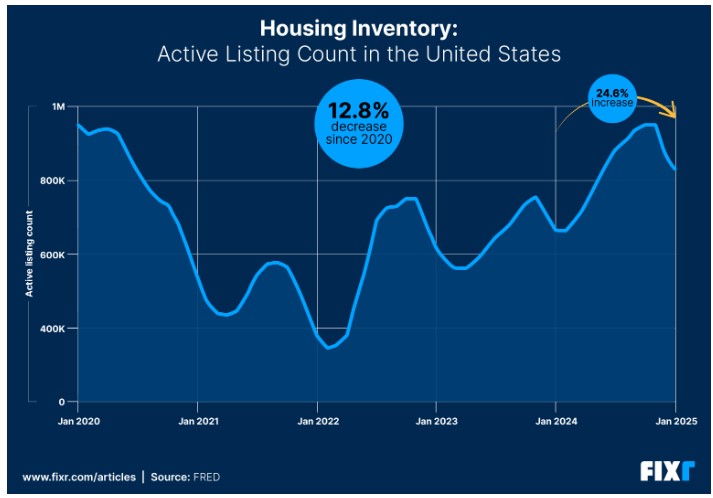
Existing Home Sales rose 0.8% in May to 4.03M. Homes on the market 27 days down from 36 days in April.
http://www.YourApplicationOnline.com
-
Powell Holds the Bat but won’t swing. Who actually gets hurt by high sustained rates?

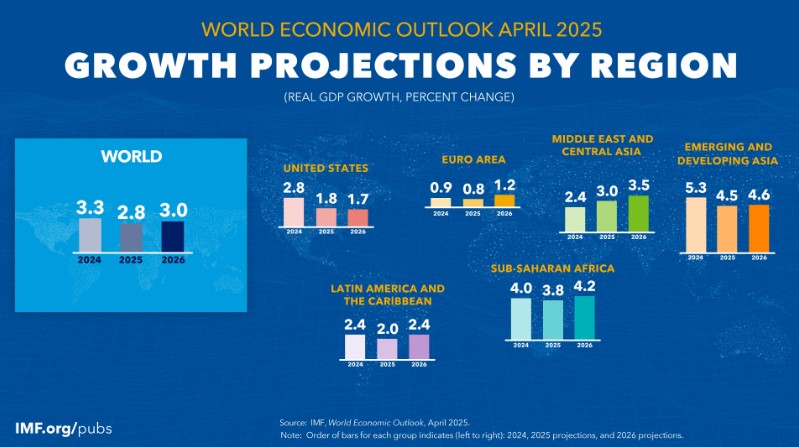
As the Fed wraps up, even Powell concedes: GDP growth downgraded to 1.4% (from 1.7%) and unemployment ticking up to 4.5%.
Clinging to a 2% inflation target is now hurting everyday Americans and small businesses—while giants like Walmart weather it just fine.
Remember Dune? “He who controls the spice controls the world.” Same game, different players.
My take:
The Fed can’t wait forever—rates must come down. There comes a point when the pursuit of control turns into a stubborn battle of egos, and while power struggles play out at the top, the rest of us bear the cost in silence.
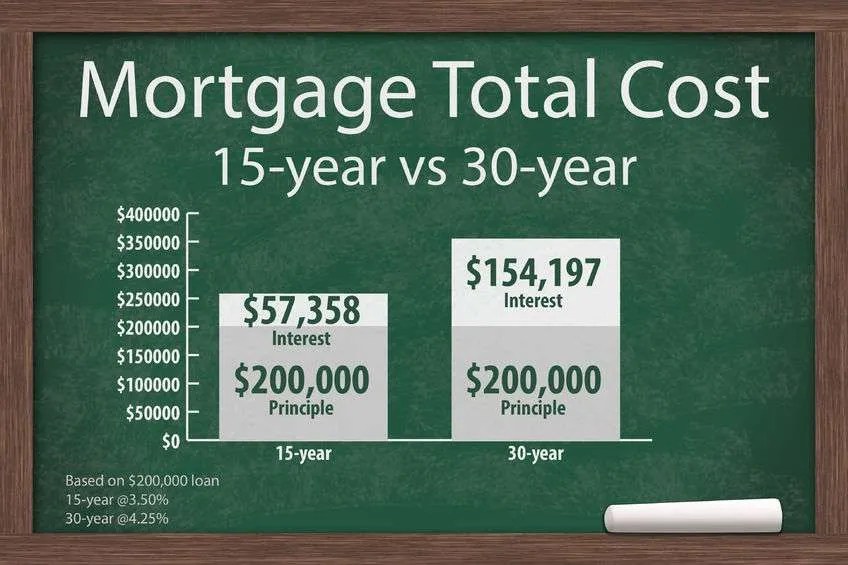
New YouTube Video: 30-Year to 15-Year Refi — Nearly Same Payment, Mortgage Gone 14 Years Sooner!
http://www.YourApplicationOnline.com
-
The Writing is on the Wall. Problem is Powell can’t read.
The Federal Reserve concludes its two-day policy meeting today, with a statement scheduled for release at 2:00 PM ET.
Alongside the announcement, they will also publish the latest Summary of Economic Projections (SEP), which includes updated forecasts for inflation, unemployment, GDP growth, and the federal funds rate.
Recent economic indicators suggest clear signs of a slowdown. Both retail sales and industrial production—highlighted in yesterday’s data—posted declines.
Additionally, manufacturing has been in a prolonged period of weakness, reinforcing the broader narrative of decelerating economic momentum.
My take: I don’t get it. The Fed seems to have strayed beyond its mandate—so afraid of making a misstep, they don’t realize that hesitation is the misstep.
Side note: I just ran numbers for a client who purchased last year with a rate in the mid-7s. We’re now refinancing into a 15-year loan in the high-5s. Their monthly payment is nearly identical—but we’ve eliminated 14 years off their mortgage.
http://www.YourApplicationOnline.com
-
Capacity Utilization. What we can do and what we are capable of doing. What’s Up FEDs.

There’s a distinction between overall capacity and capacity utilization. The chart is particularly insightful, with the gray vertical bars indicating periods of recession.
In May, we saw a slight pullback in capacity utilization—a development that isn’t surprising, considering the impact of tariffs and the surge in purchasing activity during March and April in anticipation of those changes.
Retail Sales in May were -0.9% expected -0.7%. It was a weak report showing consumers spending less.
It was the big ticket items like Autos and building materials showing the largest declines.
Feds meet this week with a zero chance of rate cuts.
http://www.YourApplicationOnline.com

-
Market Reaction and how it affects Rates short and long term.
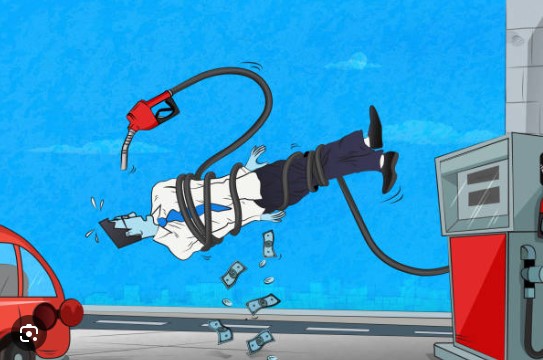
In most global conflicts, stocks drop and investors rush to the safety of bonds. This time, the stock selloff happened — but the bond rally didn’t show up like it usually does.
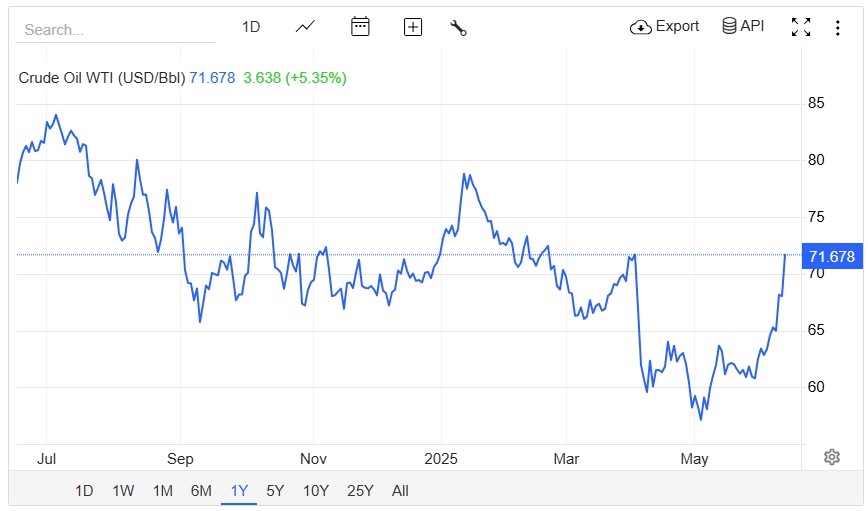
Oil prices surged 8% overnight and are up 16% over the past week.
Since oil is a major input in both the Consumer Price Index (CPI) and the Producer Price Index (PPI), this sharp increase has put inflation fears back in the spotlight.Rising energy costs can ripple through the economy — from transportation to goods and services — making inflation harder to contain.
We saw a 30-year Treasury bond auction yesterday, following a strong 10-year auction earlier in the week. Both were met with solid demand, particularly from foreign investors — a sharp contrast to recent media narratives suggesting a global move away from the U.S. dollar and Treasuries.
The takeaway? Stocks took a hit, but the bond market didn’t respond the way we’d expect.
Rates are flat today, though we’re expecting a more favorable shift as early as next week.http://www.YourApplicationOnline.com Soft Credit Pull.
-
What happens if the Fed just drops rates by 2 points. Slower Labor Market impact on rates.

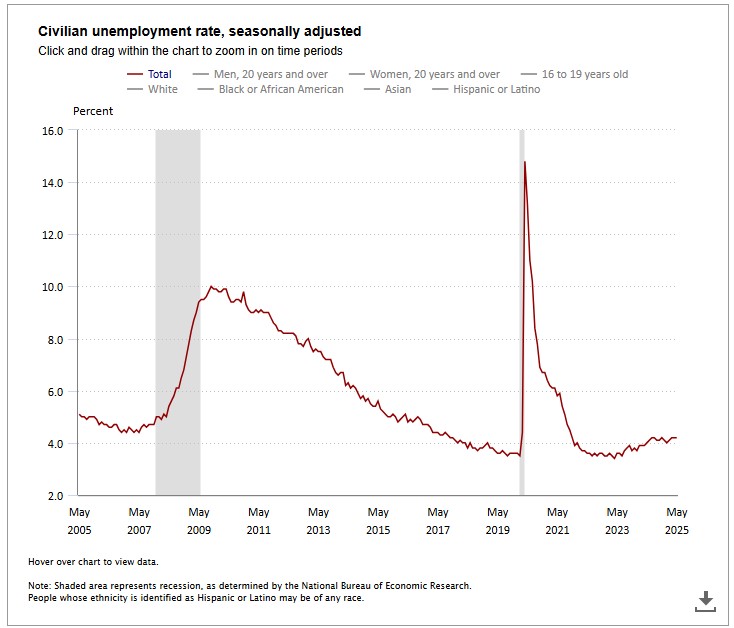
Recession concerns haven’t gone away — they’re just not showing up in May’s PPI report… yet. For now, we’re all in wait-and-see mode, watching to see how inflation really shakes out in the coming months.
What if the Feds dropped rates before inflation goes down?
If the Fed drops rates before inflation comes down, it’s a bit like trying to cool down soup while turning up the stove — here’s what could happen:
Inflation could heat up again
Lower interest rates make borrowing cheaper — whether it’s mortgages, car loans, or credit cards. That encourages people to spend more, which can drive prices up and make inflation worse, not better.It’s classic supply and demand: more buyers chasing the same goods = higher prices.
And just like the scorpion and the frog — it’s in our nature to spend. So when borrowing gets easier, wallets open up, demand rises, and so do prices.
The Fed risks losing credibility
The Fed’s main job is price stability. If they cut rates too soon, markets might think they’re caving to political or market pressure, not economic fundamentals. That can shake investor confidence.Short-term gains, long-term pain?
Yes, rate cuts could give a short-term boost to housing and stocks, but if inflation spikes again, the Fed may have to reverse course and hike rates even more aggressively later — which hurts consumers and markets.Real Estate Angle:
If you’re in real estate or mortgage, a premature rate cut could briefly fuel demand, but if inflation rebounds, rates may spike again — and with it, uncertainty in the market. Timing becomes everything.http://www.YourApplicationOnline.com Soft credit pull.
-
Subscribe
Subscribed
Have a WordPress.com account? Log in now.

