-
Why are the Feds buying $40B worth of Bonds from Banks?
Liquidity. One word, but incredibly powerful.
When the Fed injects liquidity into the banking system, banks have more money to lend. More lending means more money flowing through the economy, which can fuel inflation. Why they are doing this, we don’t exactly know but its not necessarily normal.
But this is very different from the Quantitative Easing (QE) we saw in prior years, when the Fed was heavily buying Mortgage-Backed Securities and 10-year Treasuries. That directly helped long-term bond pricing and pushed mortgage rates lower.
Today, the biggest driver of higher rates is oil and geopolitical uncertainty. Rising energy prices ripple through everything — transportation, goods, manufacturing, consumer costs — and markets hate uncertainty.
When headlines keep repeating phrases like “the clock is ticking,” investors react defensively. Stocks get volatile, bonds sell off, and mortgage rates move higher.
Bottom line: until oil prices stabilize and hostilities ease, rates may remain elevated longer than people expect.
Waiting for the “perfect” rate environment may not be the best strategy. Negotiating the right price on the right home while competition is thinner might matter far more in the long run.
http://www.YourApplicationOnline.com
-
Global 10-year Yields multi-year highs. What’s to blame – Oil and Inflation.

Oil prices are climbing globally while bond yields surge across the UK, Japan, Germany, and here in the U.S., with the 10-year Treasury hitting its highest level since May 2025.
That’s pushing mortgage rates higher.
As a simple example, the 10-year Treasury is trading around 4.567%. Add roughly 2 points, and you get a general idea of where average mortgage rates are landing: about 6.567%.
Now think back just a few months ago. The 10-year Treasury was sitting near 3.99%, and national average mortgage rates briefly touched 5.99% for the first time in years. Amazing how quickly markets can move.
Today also marked Kevin Warsh’s official first day, and the bond market wasted no time selling off. The challenge ahead? Cutting rates becomes extremely difficult while tensions with Iran continue and oil prices remain elevated. Inflation and energy costs still have the steering wheel.
But real estate doesn’t stop. People still get married, relocate, grow families, downsize, and buy homes.
Many buyers are sitting on the sidelines waiting for the “perfect” rate.
Translation: less competition for the buyers willing to move. While others wait… you pounce.
http://www.YourApplicationOnline.com
-
More Oil says IEA-Kevin Warsh in, Powell out. Inflation Scorching hot.

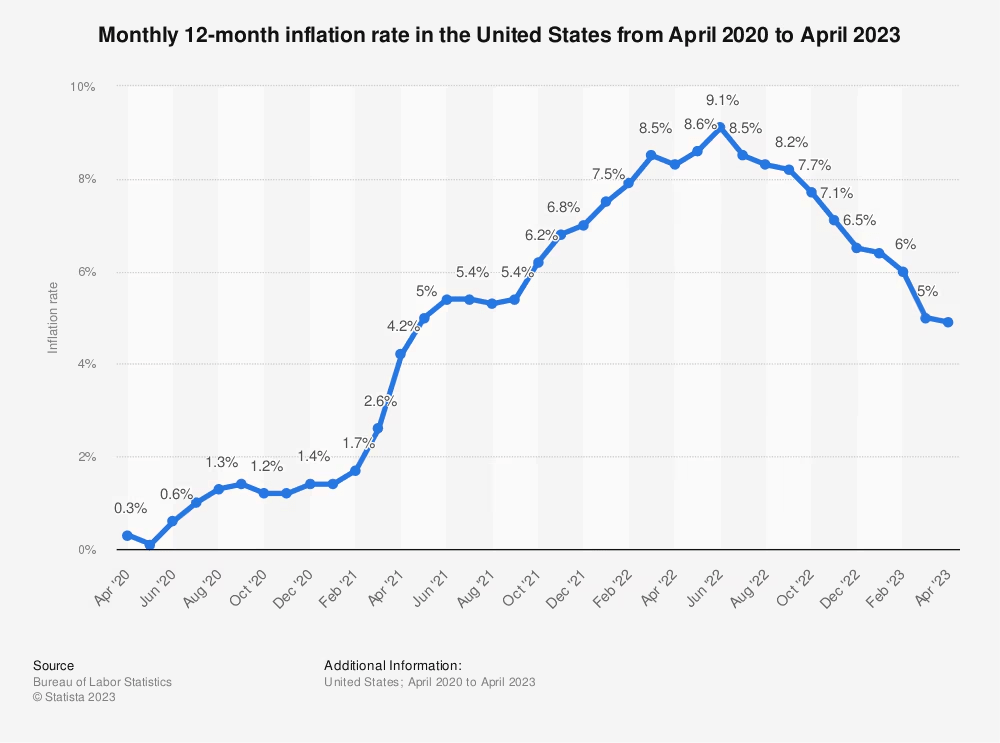
The Producer Price Index for April rose 1.4%, nearly triple the 0.5% expected. Year-over-year inflation moved from 4.3% to 6%. Let that sink in… 6% inflation.
A big chunk of the increase is tied to higher oil prices and tariffs working their way through the system.
There’s also another inflation component hiding in plain sight: the Fed printing money and buying short-term Treasury Bills. More dollars chasing fewer goods. That was a major driver behind the inflation spike we saw back in 2022, and markets are paying attention to whether history starts repeating itself.
But what does this mean for interest rates?
Mortgage rates are now riding shotgun with oil prices and geopolitical tension. If oil prices cool off, inflation pressure eases, bonds stabilize, and rates have room to improve. That’s the simple version.
But if the Strait stays closed or tensions escalate, oil climbs, inflation fears grow, and mortgage rates will likely keep drifting higher.
Right now, the bond market is trading less on optimism and more on the price of a barrel of oil.
http://www.YourApplicationOnline.com
-
CPI Report Higher Inflation. US Combat Operations continue uncertainty

What markets want and really what everyone wants, is a little more certainty. Right now, there are still a lot of unanswered questions surrounding the conflict and where the markets head from here.
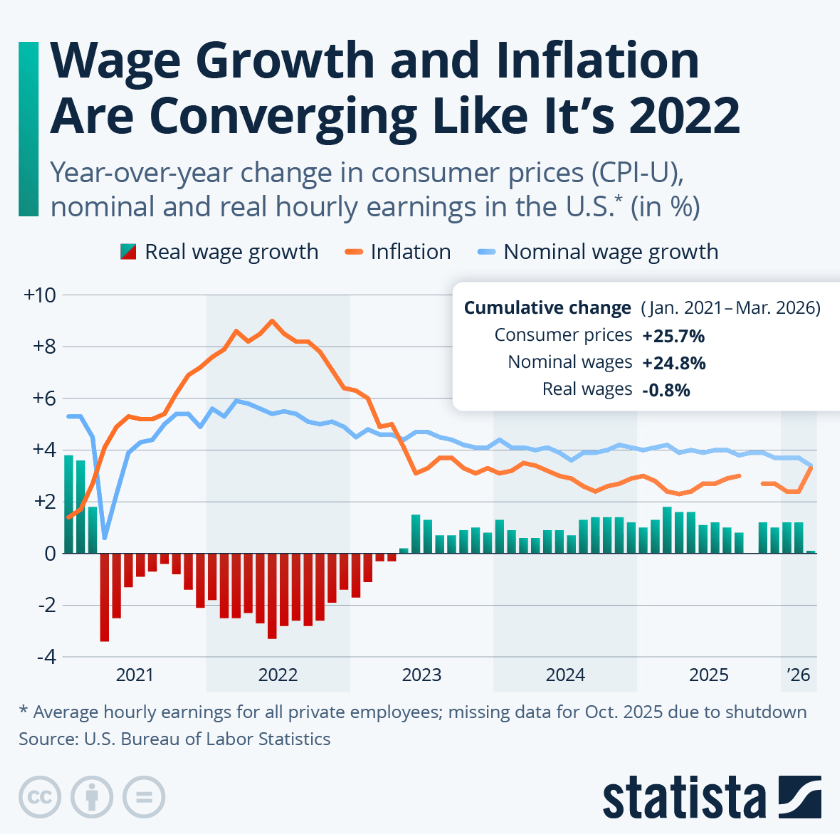
What we do know is that inflation has been trending higher, which was reflected in the latest Consumer Price Index report. That’s not especially surprising considering gas prices are now more than a dollar higher than they were just a couple of months ago, with energy costs still remaining elevated.
Oil prices touch almost every part of the economy. From transportation and shipping to groceries and everyday goods, higher energy costs tend to gradually work their way into consumer prices over time.
That’s also why the bond market and mortgage rates tend to react so closely to moves in oil. As inflation pressures rise, interest rates often follow.
The good news is markets can shift quickly, and any easing in energy prices or geopolitical tension could help improve the outlook moving forward.
We are seeing a great deal of activity regardless and this shows a strong economy and tight inventory. Let’s get you pre-qualified today.
http://www.YourApplicationOnline.com
-
BLS report Strong but Credibility Weak. Is BLS BS? Time will tell.

We’re starting the day with oil prices lower, stocks higher, and mortgage bonds improving , all positive signs for interest rates this morning.
The BLS Employment Report showed 115,000 jobs created versus expectations of 62,000, which the markets are taking as encouraging news overall. That said, the BLS data is survey-based and tends to be more volatile than the ADP payroll data, which is based on actual payroll processing.
So while we’ll take the positive headline, it’s probably best viewed with a small grain of salt.
For now, improving energy prices and stronger bond performance are helping mortgage rates move in the right direction.
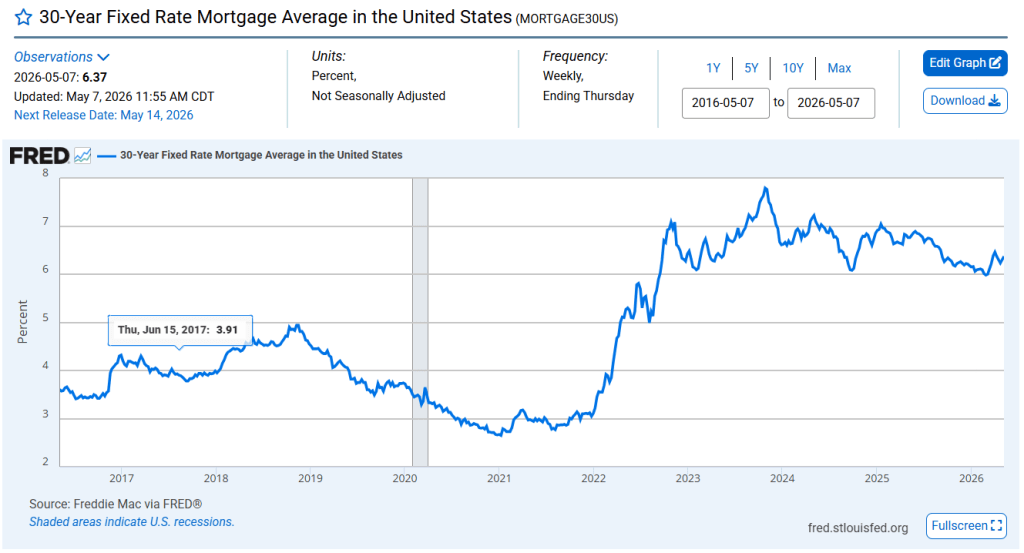
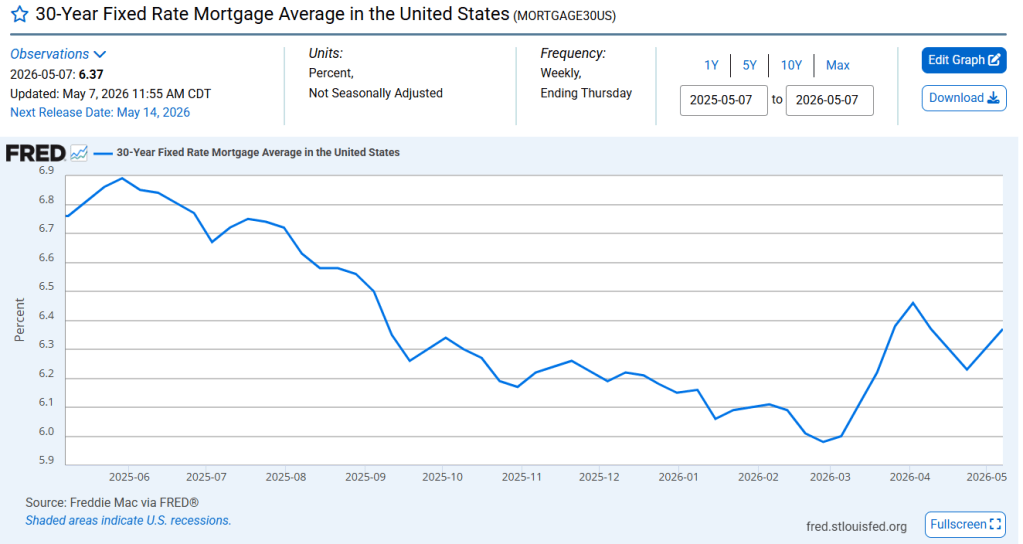
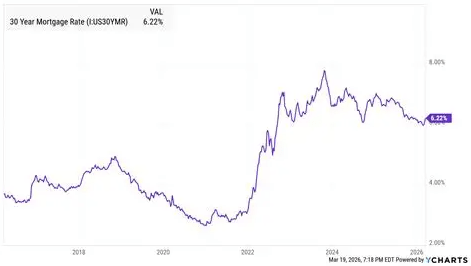
National Average mortgage rates below.
http://www.YourApplicationOnline.com
-
Oil and Rates are Married if they want to or not. Rate improvement on the horizon.
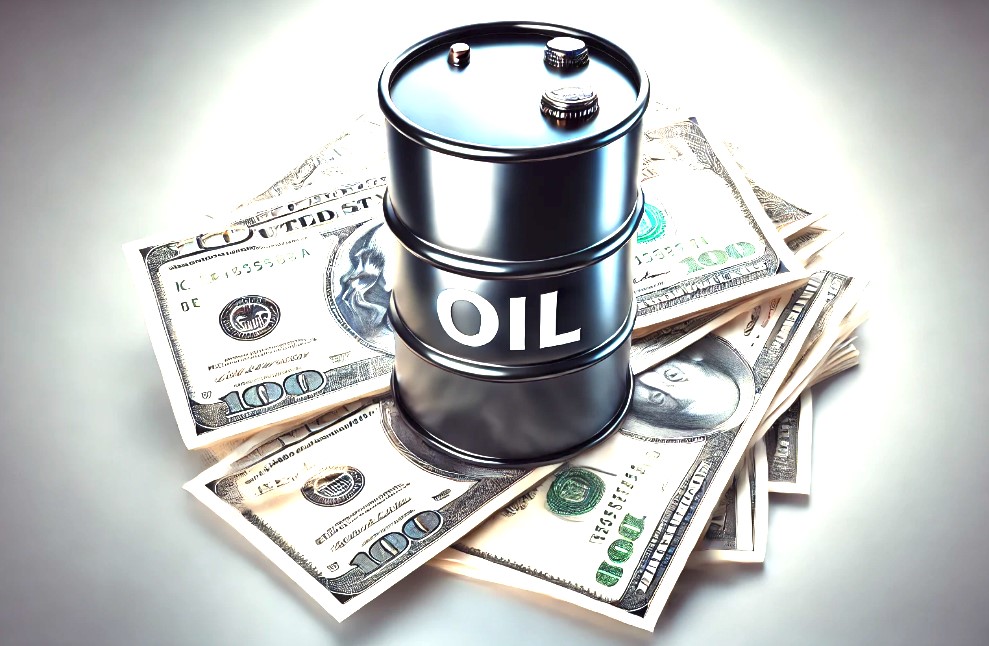
Oil prices and mortgage rates are umbilically connected whether we like it or not. Energy is one of the fastest ways inflation moves through the global economy, and inflation is the silent enemy of value over time.
When oil spikes, transportation, manufacturing, shipping, and consumer costs all rise with it. That pressure flows directly into inflation data, which pushes bond yields higher and forces mortgage rates to react.
It’s why a conflict thousands of miles away can change the monthly payment on a home purchase here almost overnight.
Two months ago, oil traded below $60 a barrel and mortgage rates were comfortably in the 5’s. Today, elevated geopolitical tension has driven energy prices sharply higher, and the bond market has repriced risk just as quickly.
The reality is simple:
Lower energy costs create breathing room for inflation to cool. Cooling inflation helps bonds recover. Stronger bonds help mortgage rates improve.In today’s market, oil is no longer just an energy story, it’s a housing story.
Employment Data Revelio Labs show private payroll date 66,000 jobs created in April, though low, it is a positive. Jobless claims rose 10,000, again low but not a negative number.
We are projecting rates to improve as the Iran conflict subsides.
http://www.YourApplicationOnline.com
-
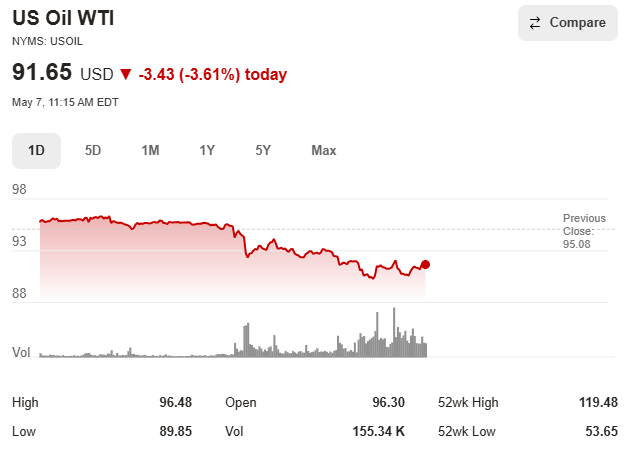
Oil Prices down on Hopes of Peace deal, rates follow. Will it stick?

The markets, both here and globally, are essentially holding their breath, waiting to see if the Strait of Hormuz reopens and oil prices retreat back toward pre-conflict levels under $60 a barrel.
And it’s worth remembering, just two months ago we were seeing mortgage rates comfortably in the 5’s.
That shift highlights just how quickly geopolitical risk can ripple through energy, inflation, and ultimately borrowing costs.
The ADP Employment Report came in stronger than expected, though still modest by historical standards. We’ll take it, 109,000 jobs added, with small businesses leading the way.
Mortgage applications dipped week over week but remain about 5% higher than this time last year. Even with rates averaging around 6.45%, that’s roughly 40 basis points lower than a year ago, enough to keep some demand in the market.
http://www.YourApplicationOnline.com
-
Oil is acting like a Throttle pushing everything higher. Longer read but concise. Feel free to share.

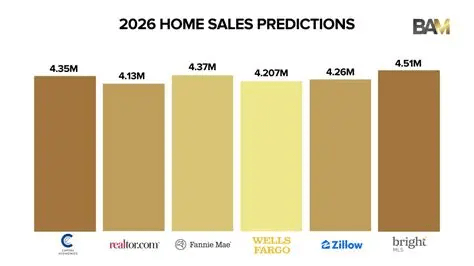
Home sales are pushing higher despite rising interest rates, largely driven by the ongoing shortage of available inventory.
At the same time, builders have started adjusting prices to keep sales moving, but overall, the median home price has remained relatively stable, highlighting the balance between limited supply and steady demand.
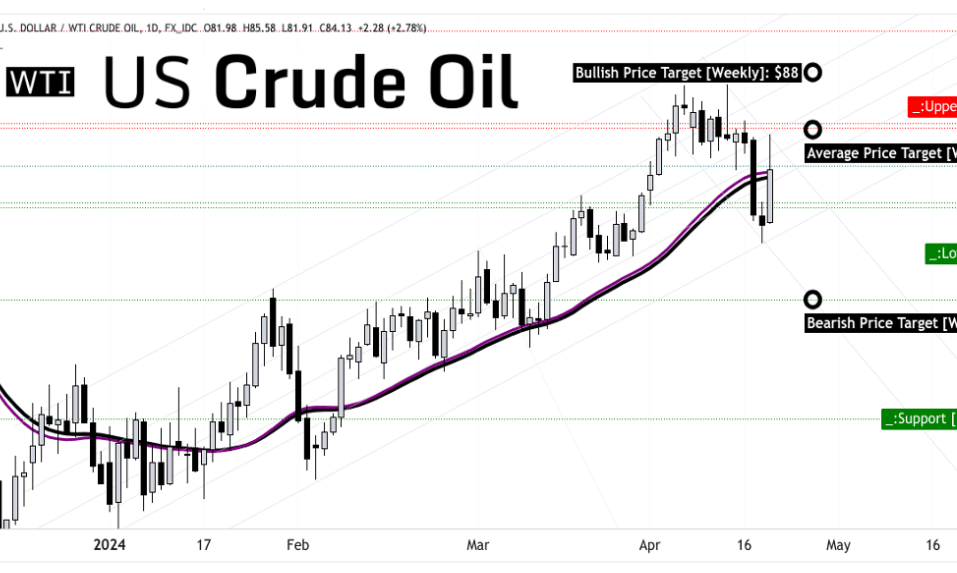
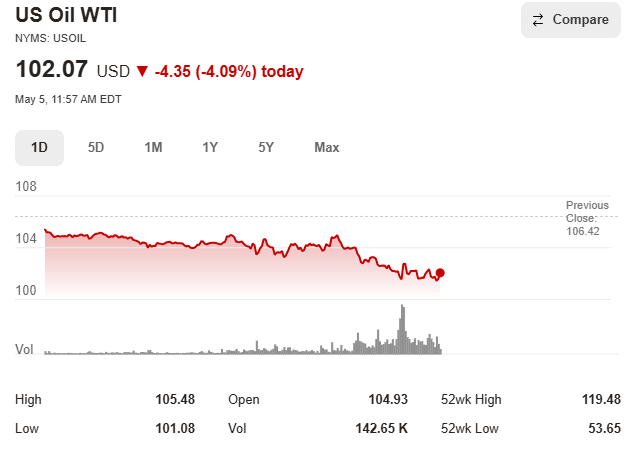
Oil is now trading well over $100 a barrel with no clear signs of meaningful easing. Just two months ago, we saw prices dip below $60, and mortgage rates followed, briefly dropping under 6%.
Since then, the conflict with Iran has changed the entire trajectory.
Oil has surged to multi-year highs due to supply disruptions and ongoing tension in the Middle East, particularly around the Strait of Hormuz. That matters because energy prices feed directly into inflation, and inflation is the single biggest driver of interest rates.
Here’s the chain reaction playing out in real time:
- Conflict disrupts oil supply
- Oil prices spike
- Inflation expectations rise
- The Fed stays higher for longer
- Bond yields increase
- Mortgage rates move up
We saw this almost immediately, rates jumped from below 6% to the mid-6% range as the conflict escalated.
And the longer this conflict drags on, the more it shifts from a short-term shock to a structural issue. The IMF is already warning that prolonged conflict could push oil toward $125 and keep inflation elevated globally.
How this hits housing:
- Affordability gets squeezed (higher monthly payments)
- Buyer demand softens at the margins
- Sellers hesitate → inventory stays tight
- Builders adjust pricing to keep volume moving
So you end up with a strange but very real dynamic:
slower activity, but stable pricing, because supply never really loosens.
Bottom line:
You’re not just watching an oil story, you’re watching a rate story. And right now, oil is acting as the throttle.If oil stays elevated, mortgage rates aren’t coming down in any meaningful way. If oil cools, rates will follow pretty quickly.
Time to get pre-qualified http://www.YourApplicationOnline.com
-
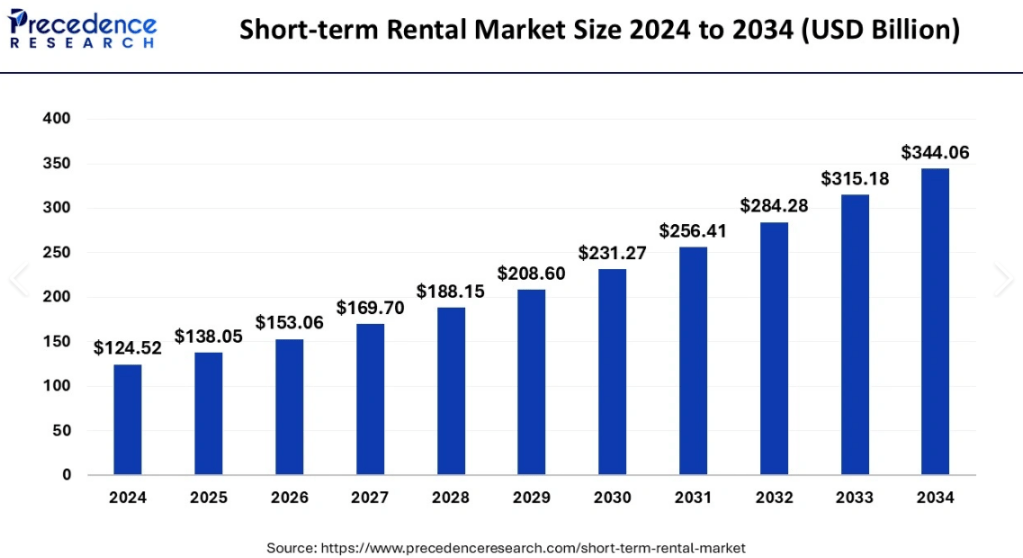
Rental Prices drop, 19% of income. but inventory tightening

We’ve seen over the past year a noticeable slowdown, and in some areas, a decline, in rental prices.
It’s a classic push and pull. When rents drop, affordability improves and demand picks up.
As more consumers re-enter the market, available inventory tightens, which eventually puts upward pressure on prices again.
That cycle is the nature of a free market. Prices adjust based on supply and demand, rarely staying too low or too high for long. The key is timing, what feels like relief today can shift back to pressure tomorrow as the market rebalances.
Realtor.com is showing active listing s are up 6% in April and 4.5% year over year. It’s spring and buyers and sellers are on the move.
http://www.YourApplicationOnline.com
-
Where are Interest Rates headed?

We’re in a precarious position. Persistently high oil prices don’t just show up at the pump, they work their way through the entire economy.
Transportation costs rise, supply chains get more expensive, and businesses eventually pass those costs on to consumers. That’s how energy feeds directly into broader inflation.
So far, consumer behavior hasn’t shifted dramatically, which has helped cushion the immediate impact. But over time, that resilience tends to fade. Higher costs begin to erode purchasing power, margins get squeezed, and both consumers and businesses start to pull back.
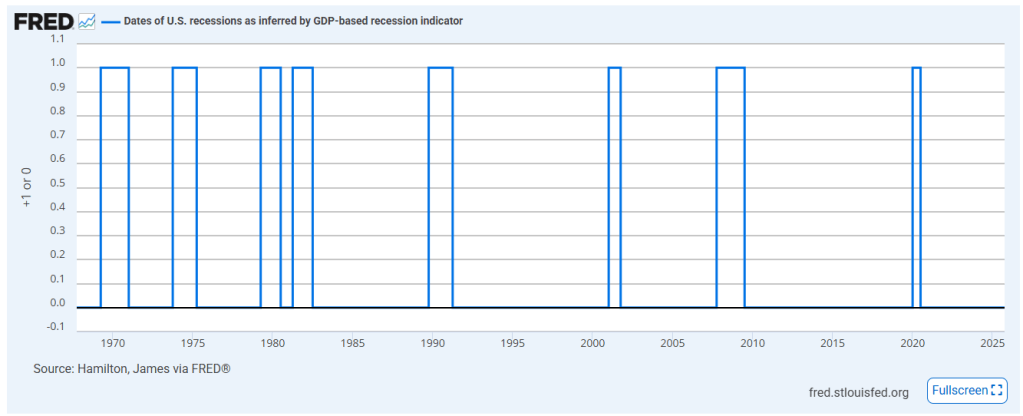
If elevated energy prices stick around, the longer-term effect is difficult to ignore: sustained inflation pressure, tighter financial conditions, and an increased likelihood of an economic slowdown, or even a recession.
Trying to make sense of all the moving pieces, the cause and effect across oil, inflation, and rates, can feel overwhelming.
On one hand, oil prices could fall and provide some near-term relief. But some of the impact is already baked in, higher energy costs have likely worked their way into inflation and broader pricing.
If that pressure slows the economy enough and we tip into a recession, history suggests rates would come down. The challenge is the timing: the inflation hit tends to show up first, while rate relief usually comes later.
Always feel free to reach out and have a fantastic weekend. http://www.YourApplicationOnline.com
-
Subscribe
Subscribed
Have a WordPress.com account? Log in now.

