-
Housing Wealth increase 78 of the last 83 years. Bitcoin effect Classic risk-off behavior

According to a recent National Association of Realtors article, the net worth of homeowners has increased by roughly $150,000 over the past five years, largely driven by price appreciation and principal paydown. That’s a meaningful wealth effect that continues to support housing demand.
On the supply side, Realtor.com reports listings were down 7% in January, yet still up 10% year over year. In other words, inventory is improving, but it remains tight enough to keep pricing supported hardly the setup for a housing collapse.
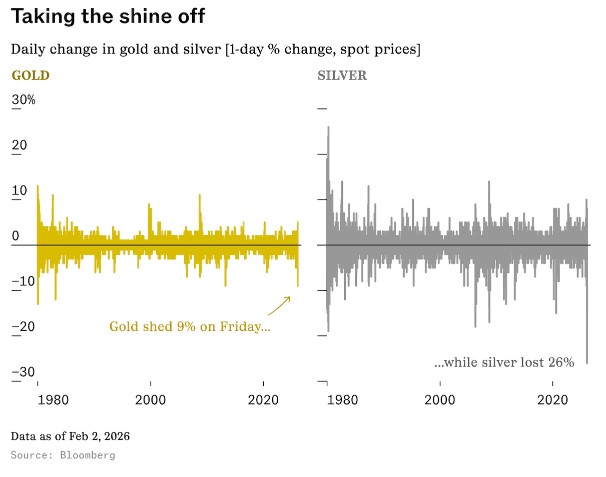
And then there’s crypto. Bitcoin fell nearly 50% from its October all-time high above $120,000, and a big driver has been a shift in liquidity toward precious metals. As tech particularly software has struggled, risk appetite has faded. Investors, especially retail money, did what it always does in moments of uncertainty: panic first, rotate later, moving capital into gold and silver as perceived safe havens.
Classic risk-off behavior. Different asset, same psychology.
Time to get pre-qualified soft credit pull http://www.YourApplicationOnline.com
-
JOLTS Job Report was a Jolt. seriously. Rates improve New Fed Chair wants to cut now.

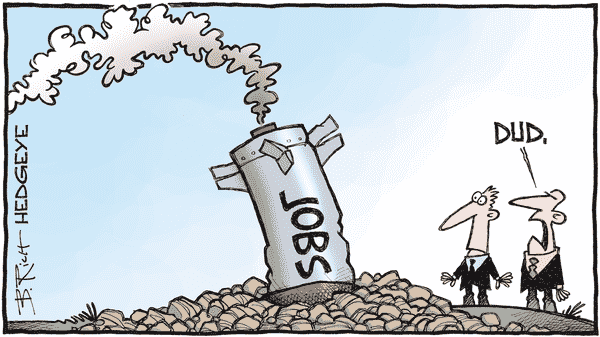
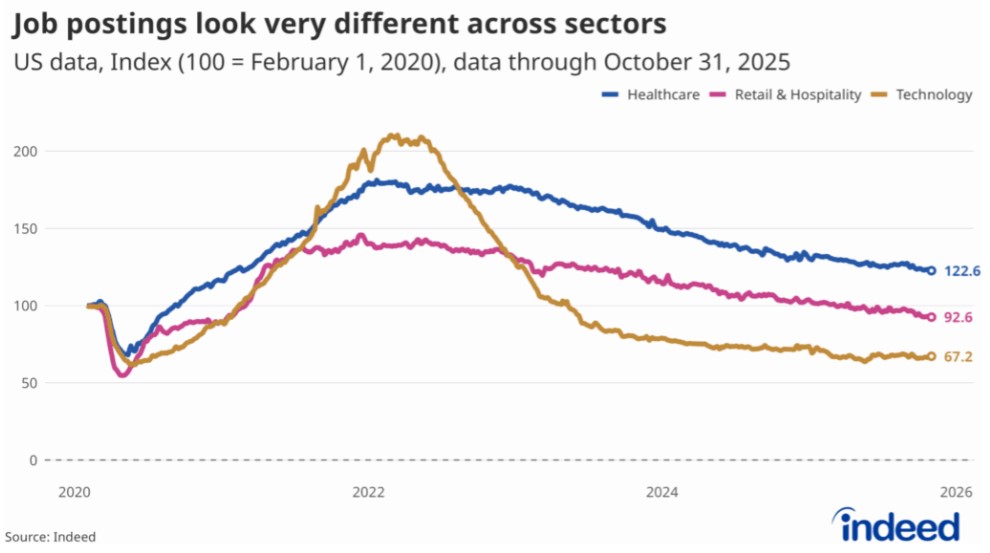
The JOLTS job report for December came in with 6.5 million job openings, well below the 7.2 million expected and officially the lowest level since 2020. Oof.
November didn’t escape either, getting revised down from 7.15M to 6.93M. So yes, the labor market is quietly taking its foot off the gas while pretending everything is fine.
Now layer in the AI boom. Counterintuitive take: AI won’t stoke inflation—it does the opposite.
Why? Productivity goes up, but jobs go down. Fewer jobs = less consumer spending. Less spending = retailers sharpening their pencils and cutting prices just to move inventory. Congrats, that’s disinflation with a Silicon Valley accent.And this is exactly why Kevin Warsh (or at least the future-looking Fed crowd) keeps nudging toward rate cuts. He’s not staring at last quarter’s data like it’s a backup camera, he’s looking through the front windshield at where the economy is actually headed.
Rear-view Fed vs. windshield Fed.
One taps the brakes late. The other sees the curve coming.Let’s get you pre-approved and ready to buy or refinance. http://www.YourApplicationOnline.com
-
Jobs Report: Not Great, Not Terrible (But Rate-Friendly)
ADP released weaker-than-expected jobs data today, and for once, “bad news” was good news for bonds. Bonds caught a bid, which helped nudge mortgage rates slightly lower. No victory parade, but we’ll take the win.
Digging into the details (because the headline never tells the full story):
- Small businesses: created exactly zero jobs. Not negative… just aggressively neutral.
- Large businesses: shed about 18,000 jobs, which lines up with the layoffs we’ve been hearing about from companies like Amazon, UPS, and others.
- Medium-sized businesses: the overachievers of the group, adding roughly 41,000 jobs and doing all the heavy lifting.
So while the job market isn’t falling off a cliff, it’s clearly losing momentum. And that’s important.
A cooling economy and a softer labor market are exactly the signals the Fed watches for when deciding whether it’s time to lower rates, especially if inflation continues trending down as expected.
Bottom line:
Strong jobs push rates up.
Weak jobs pull rates down.
Today leaned more toward “rate-friendly slowdown” than “red-hot economy.”And once again, what looks like bad news at first glance ends up being pretty decent news if you’re watching mortgage rates.
Let’s get you pre-approved http://www.YourApplicationOnline.com
-
Job numbers Gold and Silver some shine is coming off.

The stock market is up, bonds are down… and mortgage rates are doing that thing where they look at good news and say, “Cool story, still not helping.” So yes, Wall Street is partying, but rates didn’t get the invite and actually lost a little ground today.
With Kevin Warsh stepping in as the new Fed Chair, the perceived separation between the Oval Office and the Federal Reserve suddenly feels very real. Markets liked that. Stocks reacted in a friendly, high-five-each-other kind of way. Bonds? Not so much. And when bonds sulk, rates follow.
Now let’s talk jobs, because this is where the magic trick happens.
Continuing unemployment claims are down, which sounds great… until you realize they stop counting you after roughly 21 to 26 weeks, depending on the state. Translation: the number can go down not because people found jobs, but because the clock ran out. That’s not job growth, that’s the data saying, “You’re no longer our problem.”
So if the job market feels strong on paper but weird in real life, that’s because both things can be true at the same time.
Bottom line:
What you think you’re seeing isn’t always what’s actually happening. Markets love headlines. Rates care about details. And right now, the details are doing all the talking.let’s get you pre-qualified http://www.YourApplicaitonOnline.com
-
New Fed Chair Kevin Warsh. Was a Dove now a bit of a Hawk. what that actually means.

In Federal Reserve policy, a hawk prioritizes fighting inflation, typically supporting higher interest rates and tighter monetary policy to keep prices stable.
A dove, on the other hand, focuses on economic growth and maximum employment, often favoring lower interest rates and a more accommodative, expansionary policy.
In short: hawks worry about inflation; doves worry about jobs.
I spent a good part of the morning watching coverage on Kevin Warsh, and the takeaway feels a bit mixed, though it’s clear he’s been openly critical of the current Fed and its approach to monetary policy.
Our view is that Warsh would be more forward-looking, with a greater willingness to look through the lagging inflation data and question potential overstatements in jobs numbers. That kind of perspective matters, especially when policy decisions are being made using data that often reflects where the economy was, not where it’s headed.
let’s get you pre-qualified http://www.YourApplicationOnline.com
-
Markets react to Potential Shut-Down. a bit of Deja Vu.

The stock and bond markets love stability. They like routine. Predictability. A nice, boring schedule.
Unfortunately, this year has been anything but boring.
Between budget drama and the very real possibility of a partial government shutdown, the markets are doing what they always do when uncertainty shows up—they get nervous. And nervous markets tend to overreact first and ask questions later.
When the markets start pacing the room and checking their phones every five minutes, we pay attention. Because jittery markets don’t just affect headlines they show up in rates, pricing, and timing.
For now, rates are flat, and the Fed’s decision not to cut rates did not negatively impact mortgage rates.
Whew.
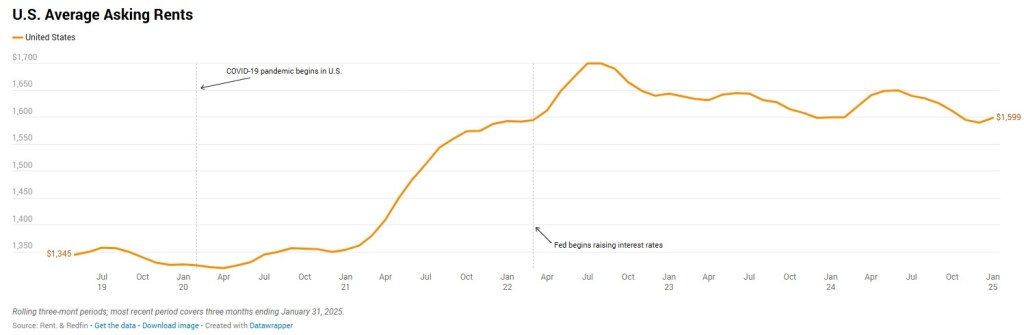
On the inflation front, there’s more good news: rents continue to decline on average, which is helping bring overall inflation numbers down. That trend matters, and it’s one of the quieter tailwinds working in favor of lower rates over time.
Time to get pre-qualified http://www.YourApplicationOnline.com
-
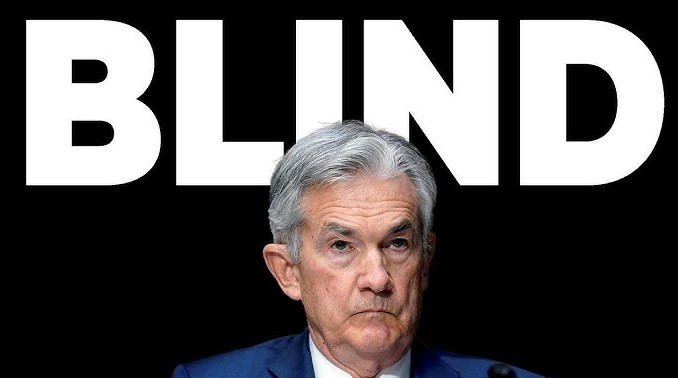
The Feds are Blind, Deliberately. Just need a bit more data…. UPS and Amazon cutting jobs.
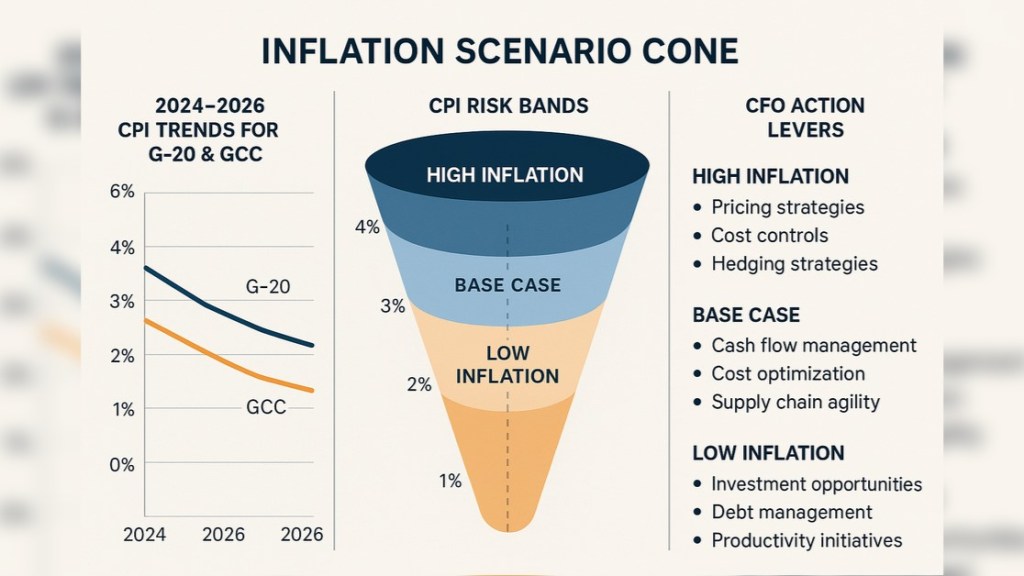
There’s a better and more accurate inflation gauge from Truflation, which analyzes 10 million data points yes, 10 million, compared to roughly 80,000 used in CPI and PCE.
And the numbers don’t lie. PCE is at 1.39% and CPI at 1.16%.
The jobs data may appear stable, but that stability is misleading. Consumers certainly don’t feel it, and major employers like UPS and Amazon are signaling job cuts in the tens of thousands.
Jerome, take your hand away from your face and look at the real numbers. There is plenty of room to cut rates.
let’s get pre-qualified today http://www.YourApplicationOnline.com
-
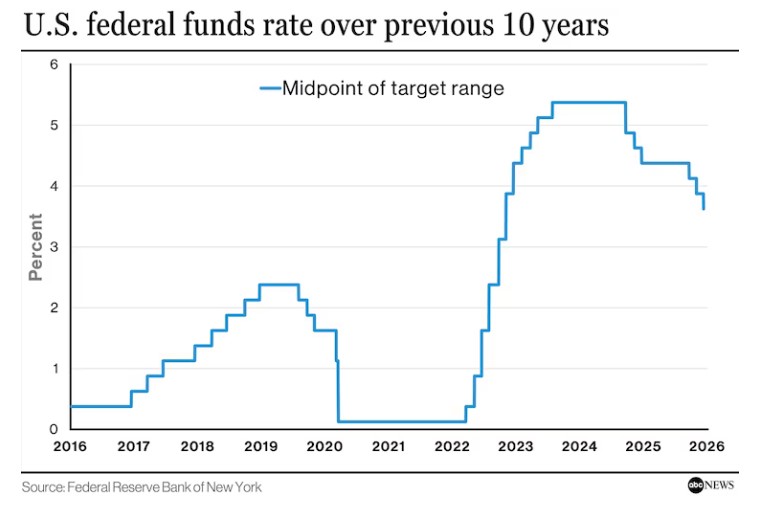
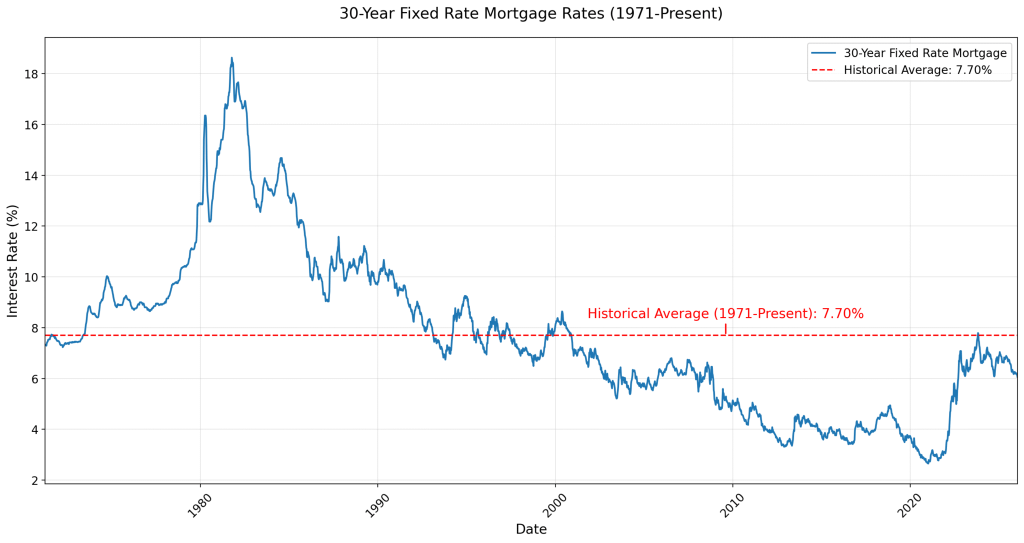
Fannie & Freddie Are Buying More MBS, Ignore the Talking Heads on TV saying don’t drop rates.

Good news: Fannie Mae and Freddie Mac are buying more mortgage-backed securities, which should help put downward pressure on rates.
With the Fed meeting next week, the talking heads on financial shows are out in force, warning that if rates don’t hold, home values might increase and “erase the rate benefit.”
Sure, that’s a point worth considering. But what about the millions of borrowers currently stuck with high interest rates who would gladly trade a slight home value bump for a meaningfully lower monthly payment?
And what about homeowners who locked in ultra-low rates in 2020? Many would like to move, but only if the rate change is reasonable. Mobility matters too.
Lower rates don’t just move markets, they move people.
-
Might have a New Fed Chair Announcement next week. or the week after, or the week after.

OMG you would NOT believe what happened… I’ll tell you next week.
That is exactly the vibe coming out of the White House right now.
New Fed Chair announcement coming next week we hope.
Rate cut this month? Maybe. Maybe not. Inflation is behaving, the job market seems… fine-ish, but as always, perception is doing most of the heavy lifting.The timing of teasing a new Fed Chair while Powell is also hinting at possible rate cuts next week has not gone unnoticed. Feels a lot like, “Big news coming… but let’s circle back.”
The NAR Realtor Confidence Index show more confident first quarter 2026 than in 2025. This is true for most or our industry. we are gearing up for the turn around that has already started.
Start by getting pre-approved. http://www.YourApplicationOnline.com
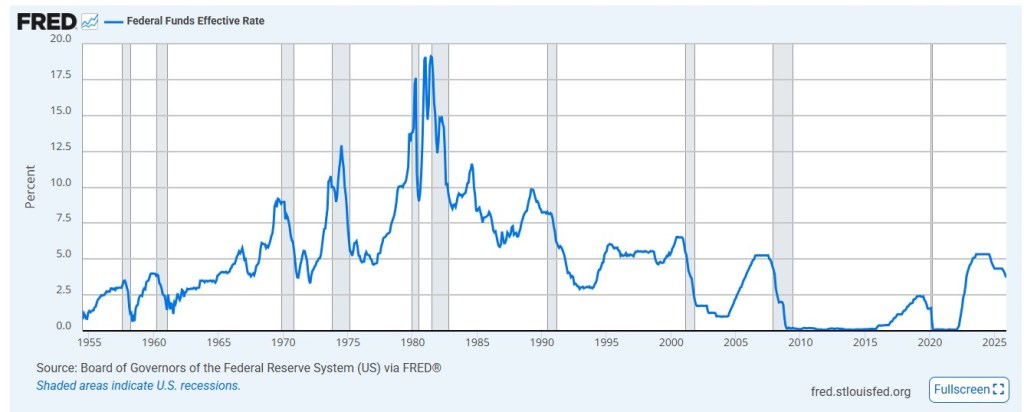
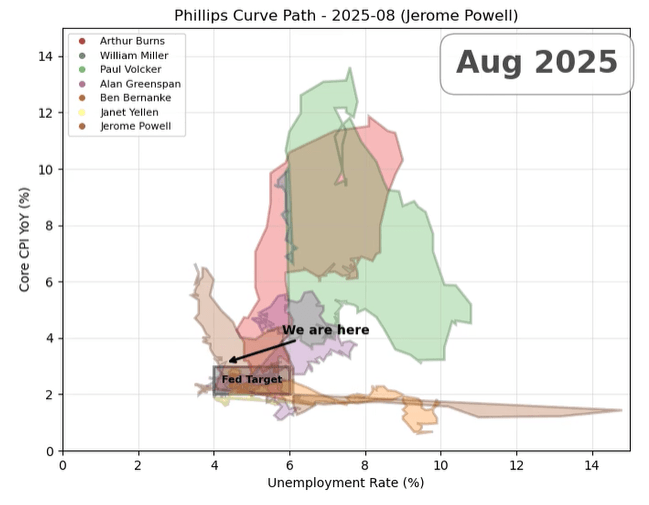
This is a great image of the struggle the Feds over time have been facing regarding Fed Target inflation rate and the Fed rate. Click it has a hyperlink showing progression over time.
-
Inflation is Stalling and Slipping, Fed let’s Get to Getting.

The President backed off tariff threats toward the EU, and Greenland is effectively off the table. That reduction in geopolitical noise matters, uncertainty and instability hurt everyone, particularly stocks and bonds.
On the data front, Q3 GDP growth came in stronger than prior estimates at 4.3%, reinforcing the case that the economy can withstand rate cuts without reigniting inflation. Jobless claims remain stable at 200,000, while continuing claims fell by 26,000, signaling ongoing labor market resilience.
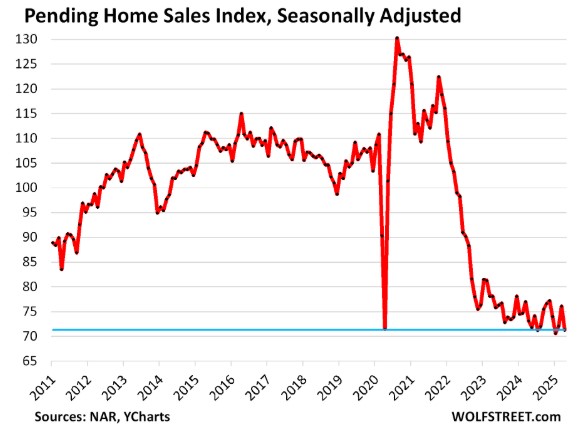
The outlier was Pending Home Sales, which declined 9.3% in December and are now down 3% year over year. That said, we expect this to turn in Q1, as early indicators show buyer activity picking up alongside improved rate stability.
Rates continue to fluctuate, but within a relatively tight range. All in all, the backdrop is constructive, let’s get 2026 rolling.
Online Application http://www.YourApplicationOnline.com
-
Subscribe
Subscribed
Have a WordPress.com account? Log in now.

