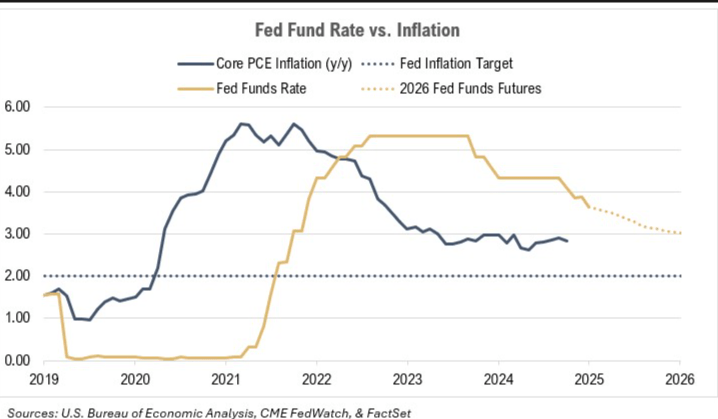
If you let the market be the market, it reacts in a fairly predictable manner. The trouble is that somebody always wants to “help.”
Here’s the setup: for the first time in a generation, investors can get genuinely attractive yields in the bond market. After years of bonds paying roughly what a savings account pays in lint, this is the equivalent of the all-you-can-eat buffet finally opening back up.
And what happens when word gets out about a good buffet? People show up. More buyers means more competition, and more competition means bond prices get bid up. When bond prices rise, yields fall, and when yields fall, mortgage rates follow.
Let me say that again because this is the key take-away:
When bond prices rise, yields fall, and when yields fall, mortgage rates follow.
In other words, high yields are the cure for high yields. It’s the one economic cycle that actually works the way the textbook says, as long as nobody grabs the steering wheel. Markets are like cats: leave them alone and they’ll eventually come around. Chase them with a rate hike and everything ends up under the couch.
So take a breath. The same high rates that are making your monthly payment look like a ransom note are also luring in the buyers who push those rates back down. Patience isn’t just a virtue here, it’s a strategy.
Mortgage bonds are holding the line at a key ceiling of 5.29%. For context, when mortgage rates averaged 5.99% last February, the 10-year was at 3.99%.
Yesterday’s Treasury auction was strong, a good sign that the peak may be in front of us.
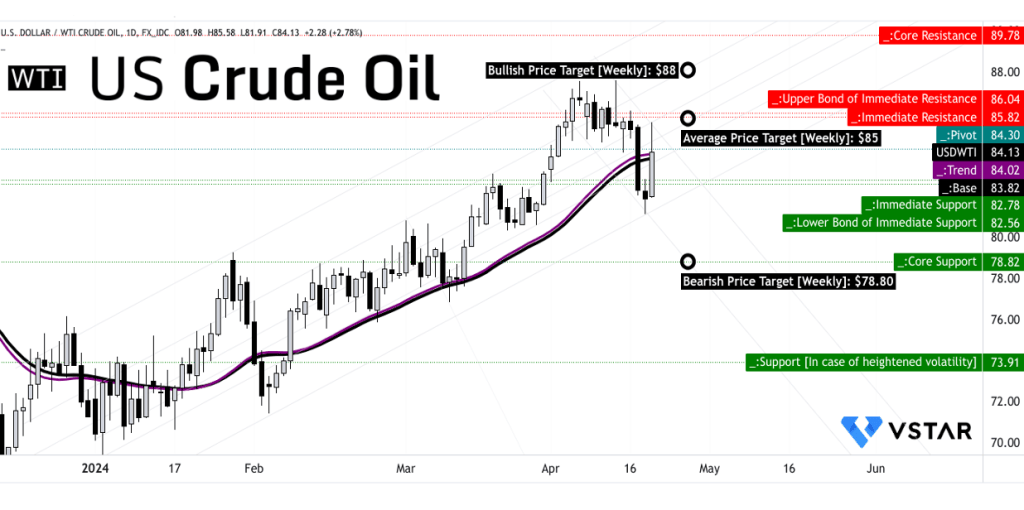
But oil is moving higher after reports that the President has asked the Pentagon for strike options on Iran ahead of the midterms. Markets don’t price in politics. They price in barrels.
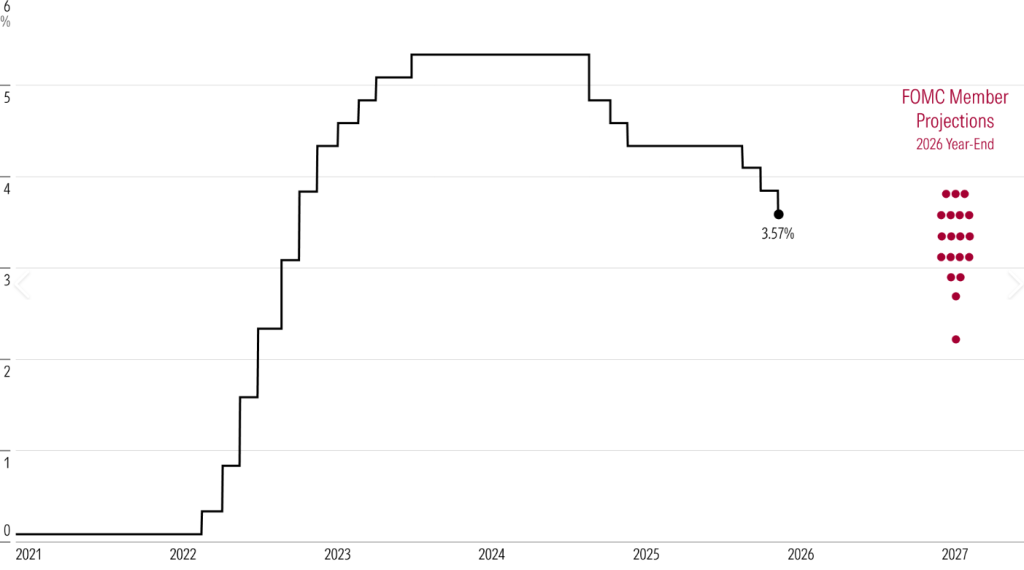
The Fed says the current Fed Funds Rate is “not restrictive” or only “mildly restrictive.” Translation: they want to hike. I disagree, as I’ve said in many prior posts. The pain lands on the poor and middle class, not on the oil market.
You can’t raise rates to get out of the Iran conflict bag.
Softer economic data out of Europe is helping European 10-year yields move sharply lower, which in turn is helping global yields moderate.
France is talking Quantitative Easing (QE), or in real English, buying bonds. Not just a few billion here and there, but a systematic plan to buy tens of billions of bonds to help lower interest rates.
Reminder: Quantitative Tightening (QT) is what central banks have been doing for the last four years, reducing their bond holdings to shrink their balance sheets.
Quick reminder from yesterday’s post: To keep the same monthly payment you would have had when rates were 6.25%, today’s home price would need to be about 12% lower than it was last March.
Example: a $500K home last March would need to sell for about $440K today to keep the payment the same.
Fed President John Williams: “There is no need for urgency, and the Fed has time to gather more information.”
Translation: A rate hike is unlikely.
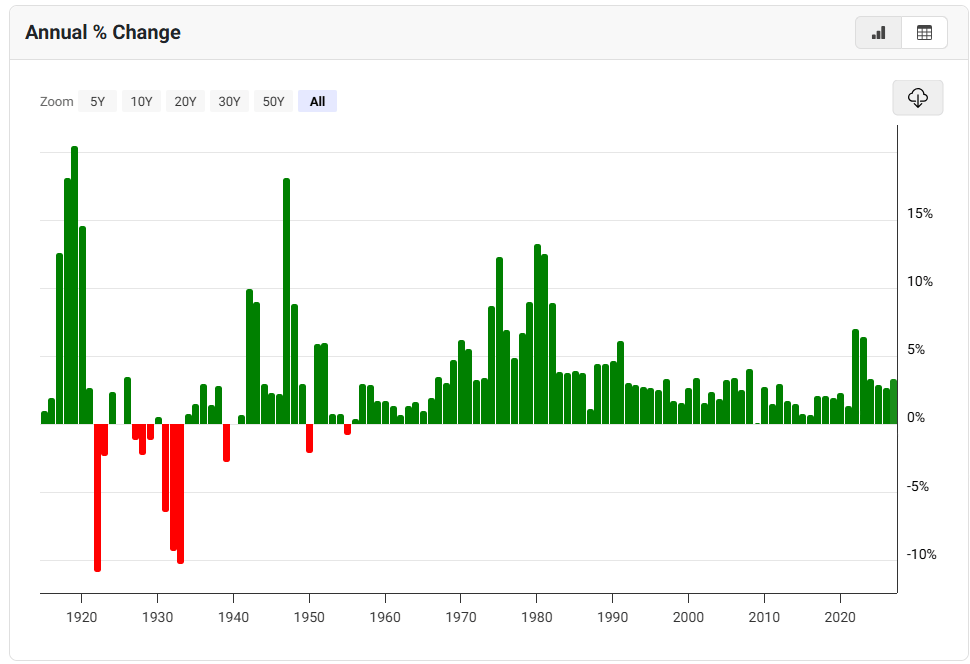
Personal Consumption Expenditures (PCE) came in at 0.3% last month, one-tenth lighter than expected. Year-over-year, it dropped from 3.7% to 3.4% headed in the right direction at this point.
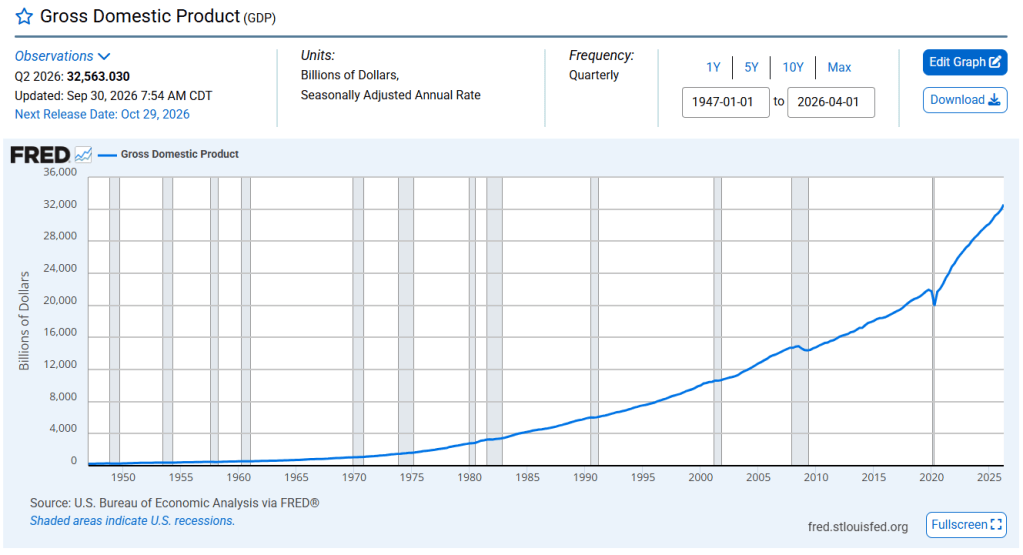
Q2 GDP came in at 2.2%, versus the 1.5% expected.
The ADP Employment Report showed 90,000 jobs created, versus 70,000 expected.
Mortgage applications were down, as expected, with rates still on the rise. Refinances made up 38% of transactions, with most being cash-out.
That’s a bit of a worrying sign. With rates as high as they are, and over one-third of applications being cash-out refinances, something is up. Time will tell.
Mortgage Bonds are continuing lower, with yields higher, meaning mortgage rates keep climbing.
The housing market is stable for now, the way a Jenga tower is stable right before someone pulls the wrong piece. Rising rates mean shrinking approval amounts, and that pressure has to land somewhere, namely home values, as buying power quietly evaporates.
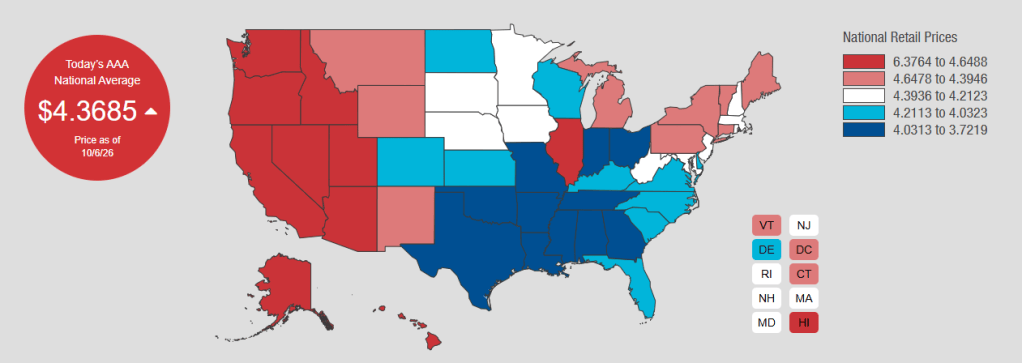
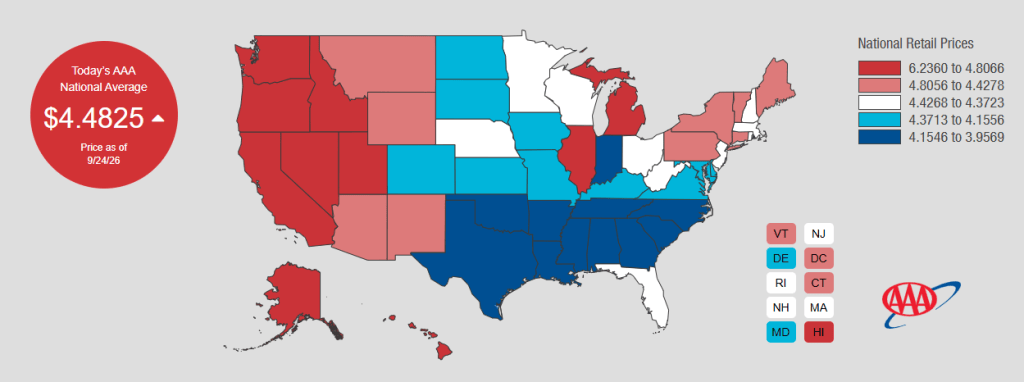
Until tariffs are removed, the Iran conflict ends, and fuel prices drop, we’re stuck standing on a chair missing a leg. Something has to give. Or everything does, all at once, which is the outcome nobody wants.
Job openings in August fell 256,000 to 7.08 million, missing estimates of 7.23 million. The labor market, politely declining to cooperate.
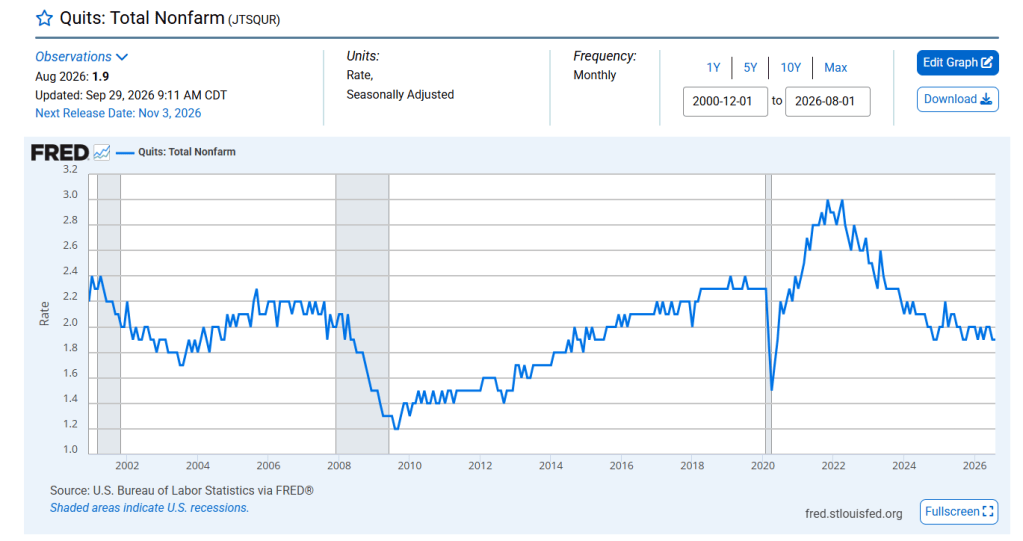
The telling number is the quits rate, still stuck at 1.9%, a measure of people confident enough to voluntarily change jobs. This low, it’s basically everyone deciding to sit very still, a strong signal of a weak job market.
The S&P Global Manufacturing report showed the economy running hotter than expected, triggering expectations for more policy tightening.
Comments on inflation regarding average input costs for goods and services, which surged higher (oil) hit their highest level since 2022.
Comments from Iran’s President at the UN, which were inflammatory.
Fed Governor Michael Barr also contributed to the bond selloff, stating that further rate hikes are likely to be needed.
Suffice to say, it was a bad day yesterday, and today is shaping up to be the same.
Some good news: New Home Sales, signed contracts on new homes rose 6.4% in August, with an annualized rate of 684,000, much stronger than the 620,000 estimate.
Part of this may be due to builders incentivizing buyers with massive rate buydowns and lower prices to move inventory.
If rates remain high, a lot of buyers will stay on the sidelines. Inventory is up, and most markets are softening, meaning there are opportunities to snag a great home at a fantastic price, which can help offset higher interest rates.
Demand Destruction: The Fed’s Favorite Party Trick
Let’s talk about “demand destruction”, which sounds like a Marvel villain’s origin story, but is actually just the Federal Reserve’s fancy way of saying “we’re going to make your life expensive enough that you stop buying stuff.”
That’s it. That’s the whole plan. No lasers, no secret lair, just interest rates, quietly turning your daily cup of coffee into a five-year financial decision.
Wait, What Even Is Demand Destruction?
In economist-speak: demand destruction happens when higher prices or higher borrowing costs cause people to buy less of something, which (in theory) cools off inflation.
On to other news…
Oil is down below $94 a barrel, Saudi Arabia may reopen their critical East to West pipeline.
There is increased economic pressure on Iran from the US, effectively shutting down their Airlines. The President is flying to NY to the US and we could have direct talks.
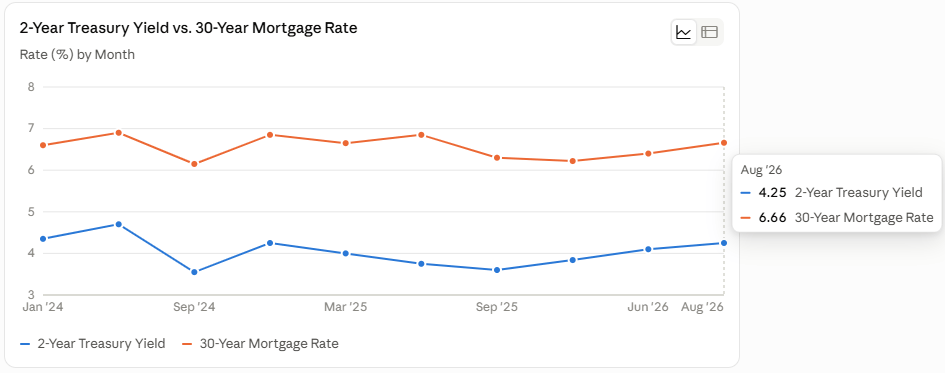
Graph below shows the relationship of the 2y bond to mortgage rates. Wonder what the rates are going to do? look at the 2y bond.
The Bureau of Labor Statistics (BLS) released its July Jobs Report this morning, and it came in much weaker than expected. The economy lost 23,000 jobs, compared to expectations for an 80,000-job gain. In addition, payrolls for May and June were revised lower by a combined 103,000 jobs, reinforcing the view that the labor market has been slowing for several months.
In my opinion, this is exactly the type of data the Federal Reserve needs to acknowledge. The labor market is no longer showing the same level of strength it did a year ago.
The Fed’s dual mandate is to promote maximum employment and price stability. As inflation has moderated and the labor market has softened, the argument for maintaining, or even raising the federal funds rate becomes less compelling.
We also saw just how sensitive the bond market is to geopolitical headlines.
Mortgage rates had been improving over the past week, helped by renewed optimism surrounding a potential ceasefire agreement with Iran. Then, yesterday, reports surfaced that Iran and Oman were discussing changes to transit through the Strait of Hormuz, including the possibility of restricting U.S. and Israeli passage. Whether such restrictions could actually be implemented is highly uncertain, but the headline alone was enough to unsettle investors and temporarily push bond yields higher.
For borrowers waiting on the sidelines, today’s jobs report is encouraging. It doesn’t guarantee lower mortgage rates tomorrow, but it does strengthen the longer-term case that rates have room to move lower as the economy continues to cool.
I know I’ve said this before, but it’s worth repeating because it’s fundamental to understanding where mortgage rates are headed.
The Federal Reserve’s primary tool for fighting inflation is the Federal Funds Rate. By raising this rate, the Fed makes borrowing more expensive throughout the economy. It affects businesses looking to borrow money to expand, invest in new equipment, or hire employees. It also impacts consumers through higher borrowing costs on products like credit cards, auto loans, and home equity lines of credit.
The goal is simple: when borrowing becomes more expensive, consumers and businesses tend to spend less. That slower demand helps reduce inflationary pressure and eventually brings price growth back under control.
Here’s the challenge with today’s economy.
The Federal Reserve’s primary tool is raising or lowering short-term interest rates. That works well when inflation is being driven by an overheating economy, too much consumer demand chasing too few goods and services.
But that’s not what we’re seeing today.
Higher interest rates won’t produce more oil. They won’t lower gasoline prices caused by geopolitical tensions. They won’t grow more food, reopen supply chains, or reduce the cost of insurance. Those are supply-side issues that monetary policy has very little control over.
In fact, many parts of the economy are already slowing. Housing activity has softened, business investment has become more cautious, and consumers are feeling the effects of higher borrowing costs. These are signs of an economy that is responding to restrictive monetary policy, not one that’s overheating.
The concern is that if the Fed keeps rates too high for too long while inflation is increasingly driven by supply-side factors, it risks slowing the economy more than necessary. That’s why investors are watching inflation data so closely. If inflation continues to ease without a strong economy, it may support the case for lower interest rates and a healthier housing market.
The challenge for the Fed is recognizing the difference between demand-driven inflation and supply-driven inflation. Using the same tool for both doesn’t always produce the same results.
Pip: Mortgage rates, Fed minutes, oil prices, and a Fed chair who apparently has to talk the board out of hiking rates — welcome to the bond market's version of a group project where nobody agrees on the deadline.
Mara: Today we're working through posts from Jackkammer covering two connected territories: where the Fed actually stands on rates, and what falling oil prices are and aren't doing to inflation and the bond market.
Pip: Let's start with the Fed's internal divide.
The Fed's Split on Rates
Mara: The question here is simple but consequential — when Fed policymakers look at the same economic data, are they actually reaching the same conclusions about what to do next?
Pip: The June 17 meeting minutes answer that pretty directly. Setting up the numbers: "Eight members favored no rate cuts this year, one favored a single cut, and nine projected one rate hike."
Mara: So the upshot is that the Fed is almost perfectly split between holding steady and tightening further — which is not a committee that's going to move quickly in either direction.
Pip: A nearly even split on a body that's supposed to set unified policy — that's a faculty meeting with trillion-dollar consequences.
Mara: What the post calls constructive is that most members still expect inflation to keep easing as oil prices decline and tariff pressures fade. Existing home sales missed expectations, falling 2.4% in June to 4.09 million, and the labor market is softening gradually but holding. The post flags that U.S.-Iran tensions are driving real volatility in Treasury markets, which flows directly into mortgage rate swings.
Pip: Which brings us to the oil side of this — because the Fed's inflation outlook depends heavily on what energy prices actually do.
Oil Prices, Gas Prices, and the Gap Between Them
Mara: The tension in this territory is that falling oil prices are supposed to relieve inflation pressure — but the relief isn't arriving evenly or quickly across the economy.
Pip: The post on Fed chair Kevin Warsh puts the gap in concrete terms: "Oil prices have retraced 98% of their recent increase, but gasoline prices have only fallen back about 46%, and the bond market has recovered just 30%."
Mara: What this means in practice is that consumers and the bond market are both lagging behind what crude oil is already telling us. The structural reason is straightforward — gas prices spike fast when oil rises, but they come down slowly. OPEC+ announcing production increases should accelerate that normalization.
Pip: And that's where Warsh becomes the actual story.
Mara: Right. The post draws a clear contrast: some Fed voting members are pushing for rate hikes, while Warsh has signaled that's not the direction he's taking things. The framing is that Warsh is willing to look at forward-looking data rather than reacting to lagging indicators — which, given how slowly gasoline and bond markets are catching up to oil, matters quite a bit for where rates land.
Pip: Patience as monetary policy. Novel concept.
Mara: The post's conclusion is cautiously optimistic — encouraging signals from both an inflation and bond market perspective, with the reminder that markets move in cycles and the data, watched carefully, points toward improvement.
Pip: So the Fed is divided, oil is ahead of gas prices, and the bond market is somewhere in the middle, catching up.
Mara: The thread connecting both segments is timing — when signals arrive, when markets respond, and whether policymakers read the data forward or backward. Worth watching as those gaps close.