
I know I’ve said this before, but it’s worth repeating because it’s fundamental to understanding where mortgage rates are headed.
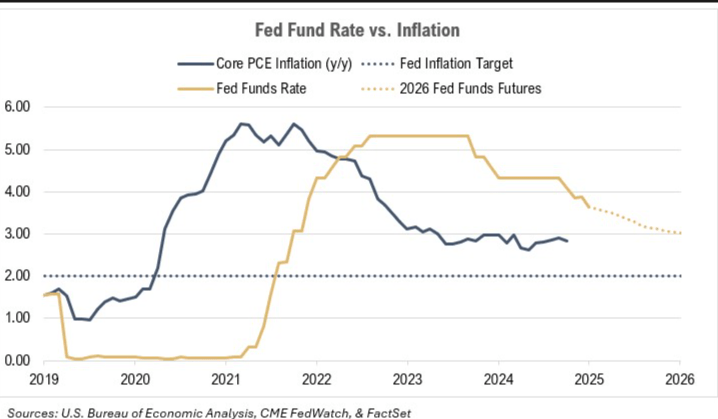
The Federal Reserve’s primary tool for fighting inflation is the Federal Funds Rate. By raising this rate, the Fed makes borrowing more expensive throughout the economy. It affects businesses looking to borrow money to expand, invest in new equipment, or hire employees. It also impacts consumers through higher borrowing costs on products like credit cards, auto loans, and home equity lines of credit.
The goal is simple: when borrowing becomes more expensive, consumers and businesses tend to spend less. That slower demand helps reduce inflationary pressure and eventually brings price growth back under control.
Here’s the challenge with today’s economy.
The Federal Reserve’s primary tool is raising or lowering short-term interest rates. That works well when inflation is being driven by an overheating economy, too much consumer demand chasing too few goods and services.
But that’s not what we’re seeing today.
Higher interest rates won’t produce more oil. They won’t lower gasoline prices caused by geopolitical tensions. They won’t grow more food, reopen supply chains, or reduce the cost of insurance. Those are supply-side issues that monetary policy has very little control over.
In fact, many parts of the economy are already slowing. Housing activity has softened, business investment has become more cautious, and consumers are feeling the effects of higher borrowing costs. These are signs of an economy that is responding to restrictive monetary policy, not one that’s overheating.
The concern is that if the Fed keeps rates too high for too long while inflation is increasingly driven by supply-side factors, it risks slowing the economy more than necessary. That’s why investors are watching inflation data so closely. If inflation continues to ease without a strong economy, it may support the case for lower interest rates and a healthier housing market.
The challenge for the Fed is recognizing the difference between demand-driven inflation and supply-driven inflation. Using the same tool for both doesn’t always produce the same results.
Time to get pre-approved http://www.YourApplicationOnline.com
 Mortgage News