-
$70 a Barrel, Rates follow slide down

Oil prices are now sitting around $70 per barrel this morning, a significant improvement from the recent highs and getting much closer to the pre-conflict levels near $56.
Mortgage rates have improved as well, but not nearly as fast as oil prices have fallen. The reason? The Federal Reserve remains cautious. While lower energy prices are certainly helpful, policymakers are still concerned about the inflationary impact from the past several months when oil prices were elevated. The Fed wants more evidence that inflation is sustainably moving lower before becoming less restrictive.
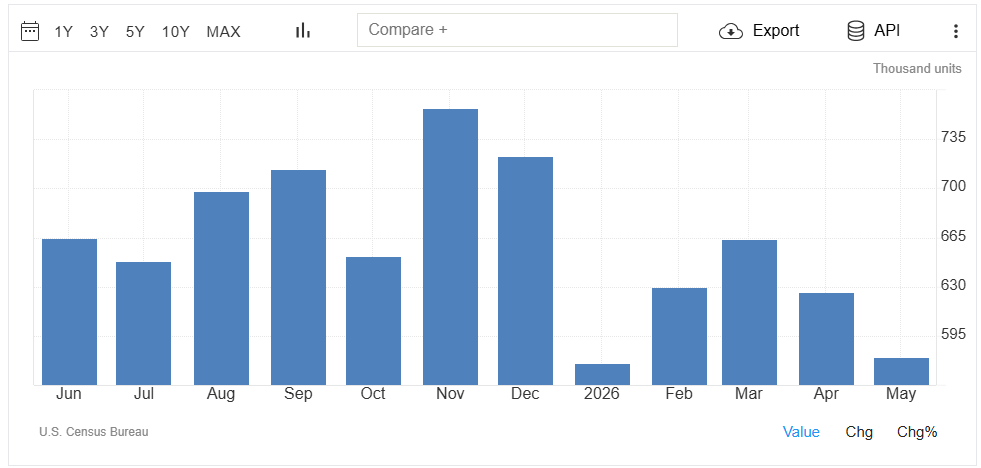
Housing data this morning reflected the impact of higher rates.
New Home Sales, which measure signed contracts on newly constructed homes, fell 7.3% in May. The West led the decline, down a substantial 27%, suggesting affordability challenges and elevated mortgage rates may be causing some buyers to pause.
Mortgage application activity remains relatively unchanged. Buyers continue to shop for homes, but many appear to be waiting for a clearer signal on the direction of interest rates before making a move.
The takeaway?
Lower oil prices are a positive development and should help the inflation story over time. However, the Fed is focused on where inflation is headed, not where oil prices are today. Until policymakers gain confidence that inflation is under control, rates may be slower to fall than many consumers expect.
For now, the market is balancing improving inflation prospects against a Fed that remains firmly focused on price stability.
http://www.YourApplicationOnline.com
-
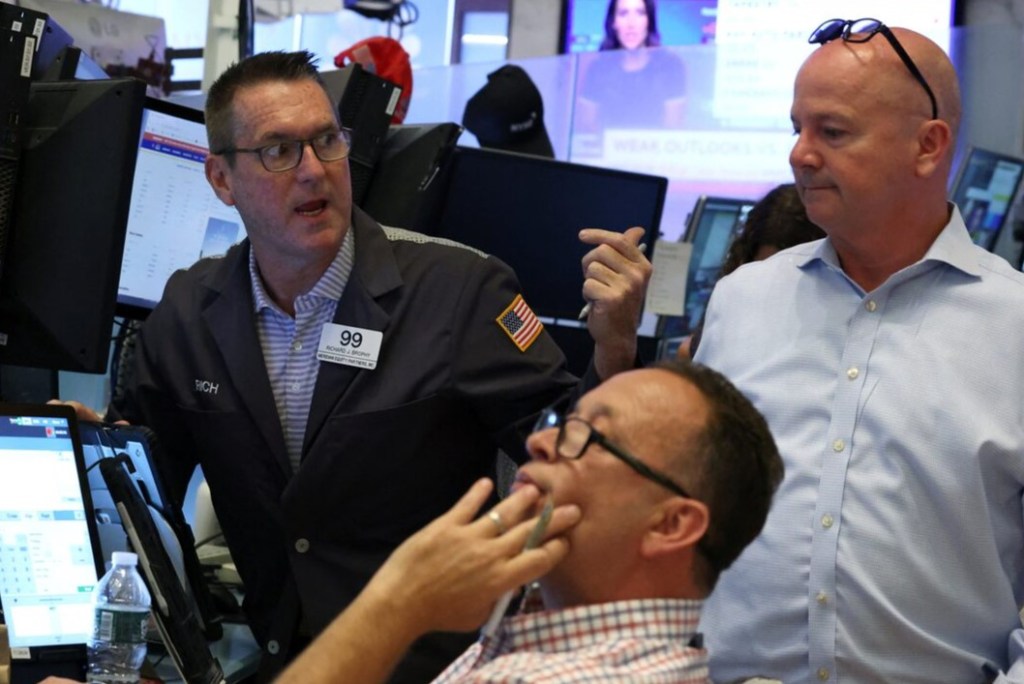
Tech sector selloff. Mortgage Bonds rebounding (lower rates). Oil below $73 barrel
With continued progress toward a long-term U.S.–Iran peace agreement and reports that Iran has moved approximately 30 million barrels of oil back into global markets, financial markets are reacting in a rate-friendly manner.
Oil prices have softened, Treasury yields have moved lower, and Mortgage Bonds have improved as investors begin to price in reduced geopolitical risk and lower inflationary pressures.
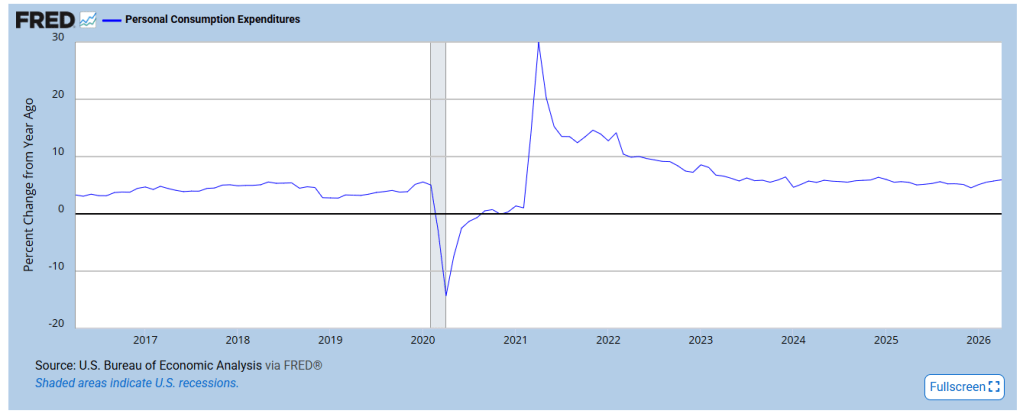
This week, all eyes will be on the PCE (Personal Consumption Expenditures) inflation report, the Fed’s preferred measure of inflation and the benchmark used against its 2% inflation target.
Fed Chair Kevin Warsh has indicated an interest in exploring alternative inflation metrics, including real-time and trimmed-mean measurements, which many economists believe may provide a more accurate picture of underlying inflation trends.
For now, lower energy prices and easing global tensions are helping the bond market, and that’s generally a positive sign for mortgage rates.
As always, watch the bond market, not its tail. It tends to tell the story before everyone else sees it.
http://www.YourApplicationOnline.com
-
Greenspan legacy @100. Oil prices down. The week ahead.
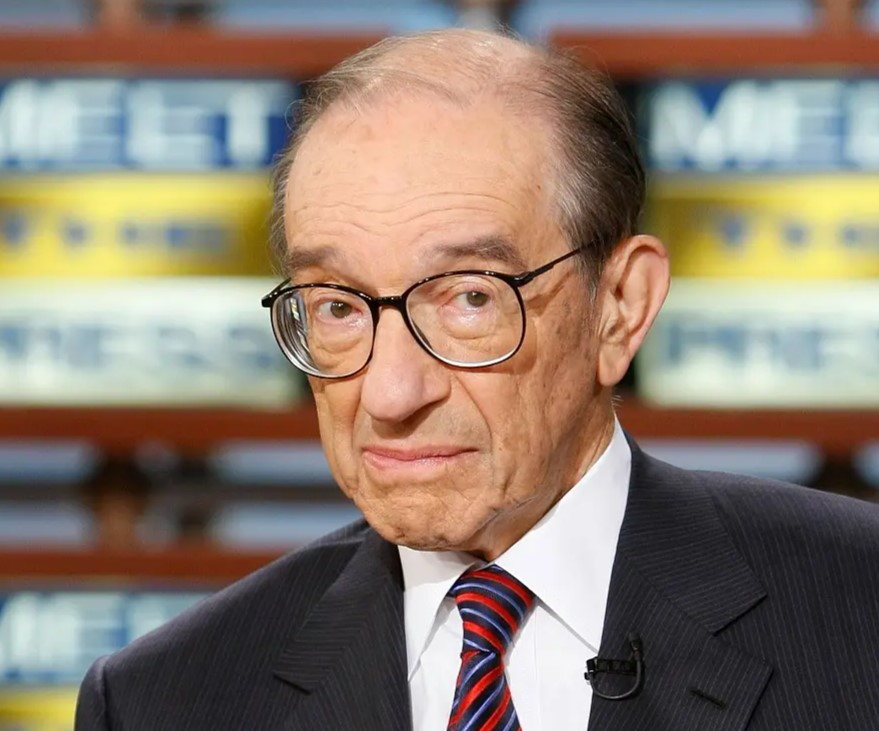
Our hats off to Alan Greenspan who passed away this weekend at the age of Our hats off to Alan Greenspan, who passed away this weekend at the age of 100.
Greenspan was the second-longest-serving Federal Reserve Chair in history and guided the Fed through some of the most turbulent financial and geopolitical events of the modern era, including the Thai Baht crisis, the 1998 hedge fund bailout, the Dot-Com boom and bust, 9/11, the wars in the Middle East, and the aftermath of Black Monday.
Whether you agreed with his policies or not, his influence on financial markets, monetary policy, and the global economy was profound.
Current Fed Chair Kevin Warsh recently said that Greenspan helped him understand what it takes to lead the Federal Reserve. Warsh has big shoes to fill, but so far he appears up to the task.
The market seemed a bit hesitant last week as investors adjusted to new leadership, but confidence appears to be settling in. As always, the bond market will ultimately tell the story.
Rest in peace, Alan Greenspan. Your impact on the financial world will be felt for generations.
The week ahead: ADP Weekly Employment Data, Mortgage Apps, New Home Sales, PCE and more.
http://www.YourApplicationOnline.com
-
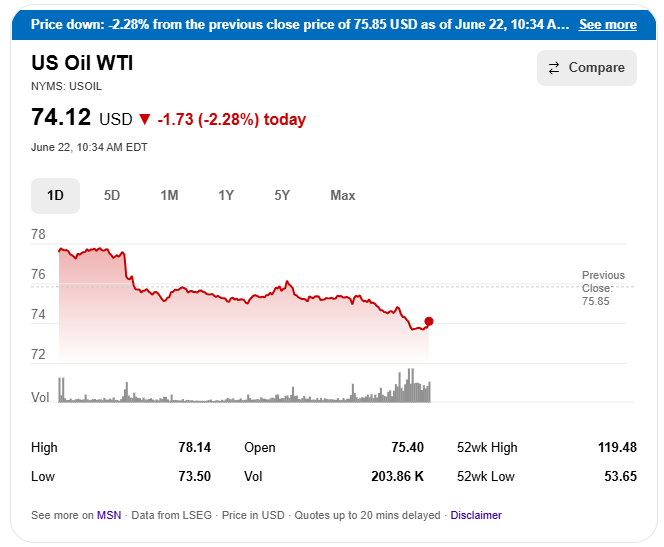
Signed Sealed and Delivered. Oil at $74 barrel.

Stocks and Bonds are rebounding as oil moves lower breaking under $74 a barrel.
Lets break down yesterdays Fed meeting.
- Warsh was impressive and commanded the room
- Instilled confidence and made changes
- Short statement left rates unchanged
- 2% inflation target, but what measure are they using
- Fed more hawkish
- Dots Plots going away.
Overall the meeting as impressive, but the markets had a negative reaction, likely focusing to much on the outdated an unreliable Dots Plot.
Today the markets are responding positively.
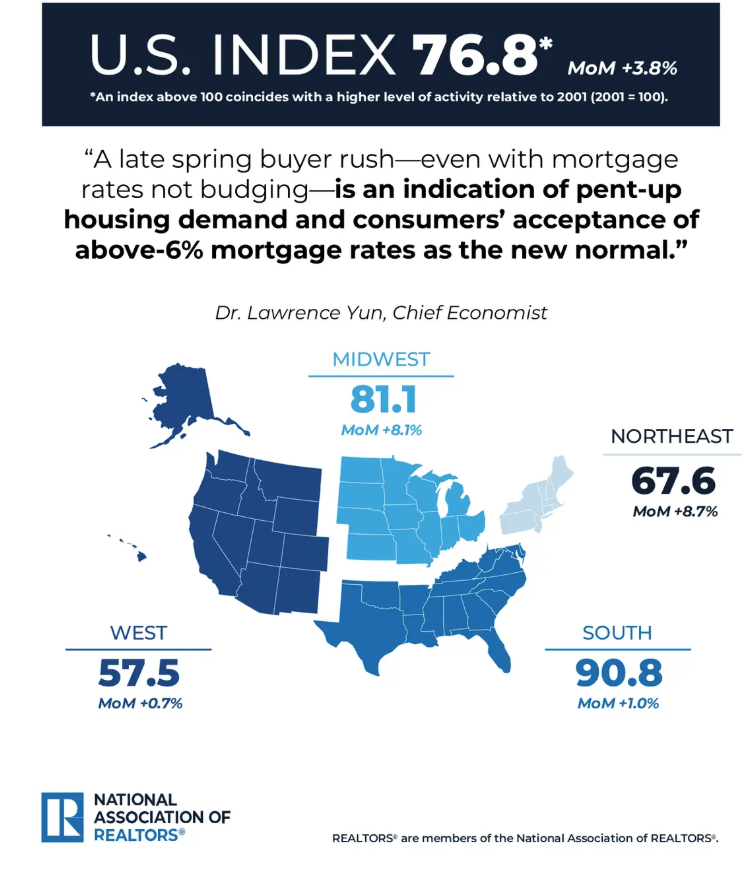
Pending home sales up 3.8% in May. this is a huge number.
Rent prices holding steady with a modest increase of 1.4% year over year.
Time to get pre-qualified. http://www.YourApplicationOnline.com
-
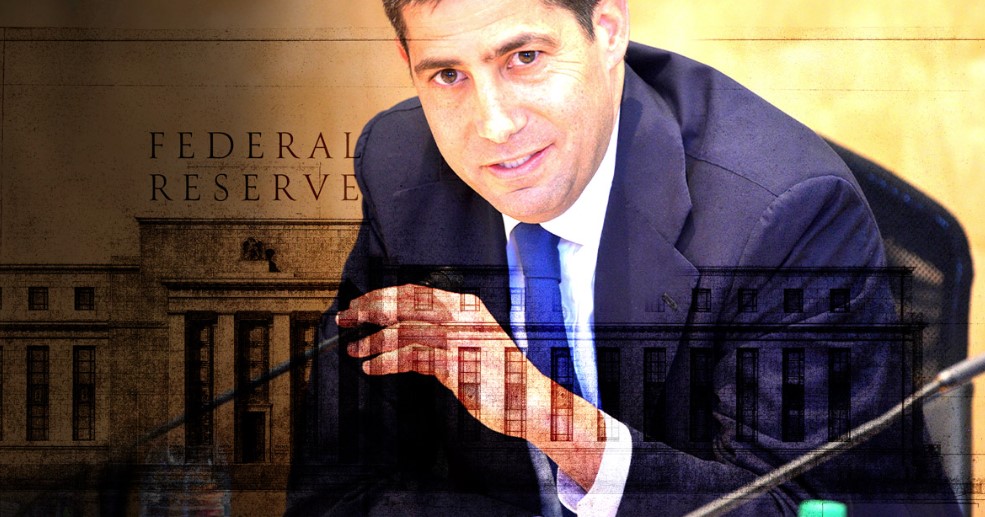
New Fed Chair Warsh has some ideas, lets take a look.
But first, Oil and rates are down starting the day.
Kevin Warsh is presiding over his first Fed Meeting as Chair. Here is where he is leaning.
- Leave rates unchanged
- Fed too transparent Ax Dots Plot Chart
- Look at other favorable measures of inflation
- Reduce balance sheet
- Gaining consensus with Powell in the room?
US and Iran are set to sign their peace deal on Friday in Switzerland.
- Strait fully open, without tolls
- End to the war on all fronts
- Iran is agreeing to never build or obtain a nuclear weapon
- Unfreeze Iran’s assets
- $300 billion from US and regional partners for rehabilitation
Turning the corner this week. Let’s get you pre-approved today.
http://www.YourApplicationOnline.com
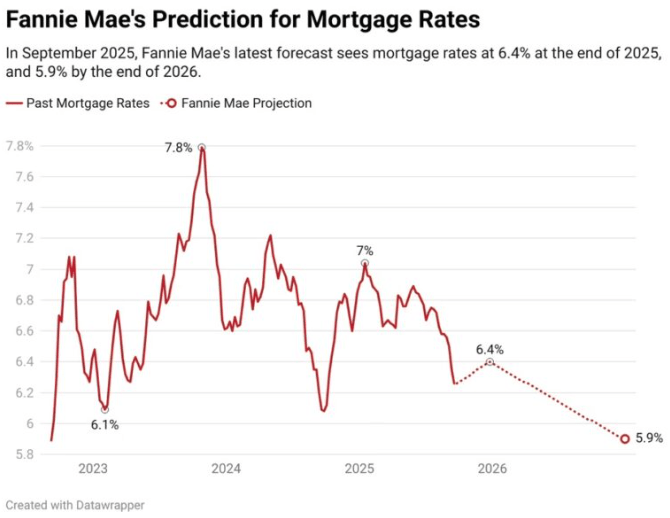
Interesting graph from Sept 2025. We did hit 5.9% pre-Iran conflict.
-
Oil lower $77 a barrel Gas Prices dropping. Rates? let’s see.

With oil prices continuing to decline and gas prices projected to fall back toward $3.30 per gallon over the next couple of months, optimism is starting to creep back into the markets.
Mortgage Bonds are trading higher this morning while Treasury yields are moving lower, both positive signs for interest rates. At the same time, stocks continue to rally as investors grow more comfortable with the outlook for inflation and economic growth.
One event to watch closely today is the 20-Year Treasury auction at 1:00 PM ET. The level of demand will give us another clue as to how investors are feeling about inflation, government debt, and the direction of interest rates. Strong demand would be favorable for bonds, while weak demand could put pressure on yields.
For now, we are continuing to float our clients this week, but we are staying vigilant. Markets can change quickly, and we’re monitoring developments closely.
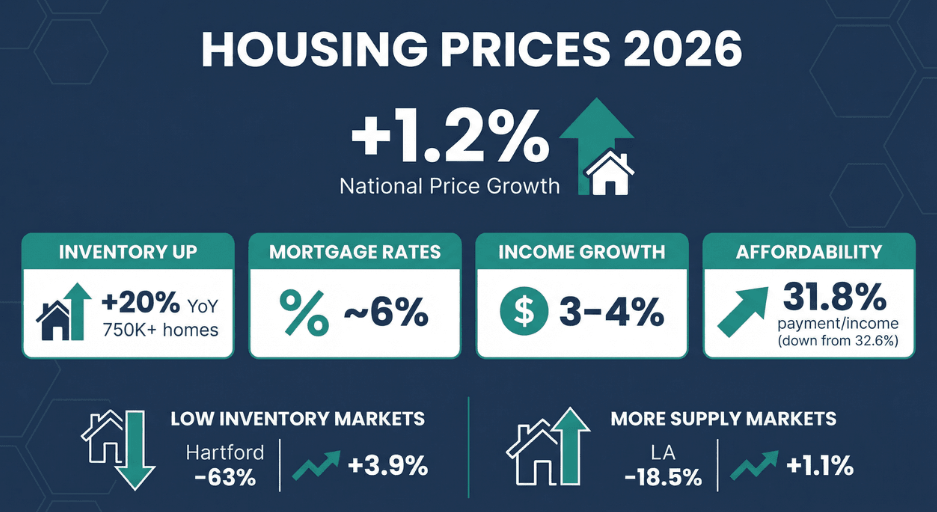
The housing market continues to face a simple challenge: supply and demand.
Demand for homes remains strong, but housing starts have been declining. Fewer homes being built means fewer homes available in the future, which continues to support home values despite higher mortgage rates.
At the end of the day, real estate fundamentals haven’t changed. When demand exceeds supply, prices tend to remain firm.
Time to get pre-qualified http://www.YourApplicationOnline.com
-
Deal, Oil, Bonds Rates Improve, let’s Get to Getting!

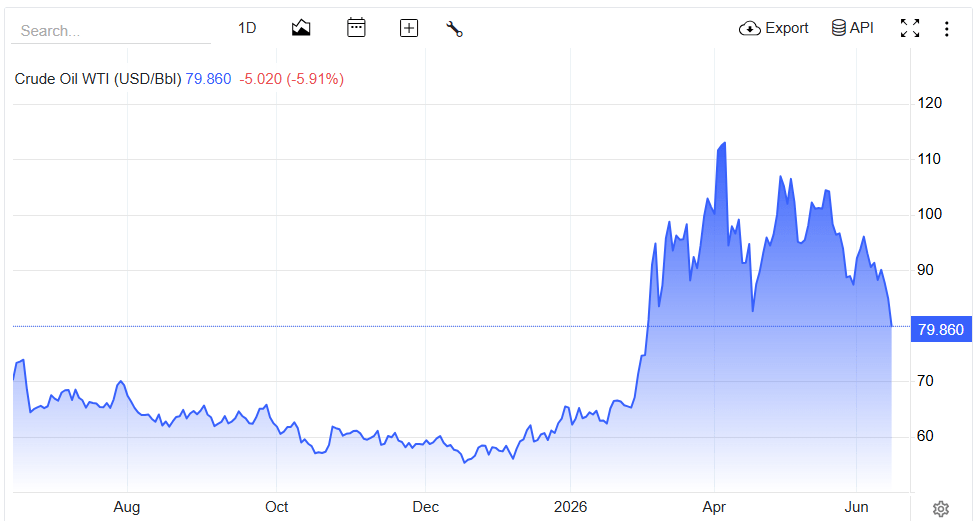
Oil prices are moving lower, the stock market is surging, and Mortgage Bonds are higher this morning, an encouraging combination that points toward lower interest rates ahead.
Over the weekend, the U.S. and Iran announced an interim agreement to reopen the Strait of Hormuz and begin a 60-day negotiating period aimed at resolving concerns surrounding Iran’s enriched uranium program.
For the markets, the significance goes beyond diplomacy. The Strait of Hormuz is one of the world’s most important energy corridors, and any reduction in geopolitical tension helps ease concerns over oil supply disruptions and future inflation pressures.
The drop in oil prices is particularly important because energy costs ripple through nearly every corner of the economy. Lower energy prices can eventually translate into lower inflation, which is exactly what bond investors and the Federal Reserve want to see.
Attention now turns to Wednesday, when Fed Chair Kevin Warsh presides over his first Federal Reserve meeting. Most market participants expect the Fed to leave short-term rates unchanged. However, the tone of his comments will be closely scrutinized.
With progress on the Iran front, softer oil prices, and signs that inflation pressures could ease in the months ahead, the conversation may begin shifting from “How long do rates stay high?” to “When can rates start coming down?”
We’re not there yet, but for the first time in a while, the market has a reason to at least begin considering that possibility.
http://www.YourApplicationOnline.com
-
Iran Deal Close. Rates Holding gains.

We end the week with what could be meaningful positive news on the Iran front.
Oil is now trading below $85 per barrel, its lowest level in nearly two months. Reports indicate negotiators are discussing a full reopening of the Strait of Hormuz without tolls and an extension of the ceasefire for another 60 days.
If that framework holds, it would remove a significant amount of uncertainty from the global energy market. Markets don’t necessarily need perfect outcomes, they need clarity. And for the past several months, uncertainty has been one of the biggest drivers of higher volatility and interest rates.
Another story is grabbing Wall Street’s attention. SpaceX is reportedly oversubscribed by 4x ahead of its public offering.
What does that mean?
Simply put, investors want to buy four times more stock than is currently available. Demand is overwhelming supply.
Events like this can create what economists call the “wealth effect.” When stock portfolios rise and investors feel wealthier, consumer confidence tends to improve. People become more willing to spend money, make investments, buy homes, start businesses, and generally participate in the economy.
The wealth effect isn’t always tied to economic reality, but perception matters. When people feel confident about their financial future, they tend to act differently.
Between lower oil prices, improving prospects for the Strait of Hormuz, and renewed enthusiasm in the equity markets, investors finally have a few reasons to be optimistic heading into the weekend.
http://www.YourApplicationOnline.com
-
Under the Cloak of Darkness 200 ships pass Straight.

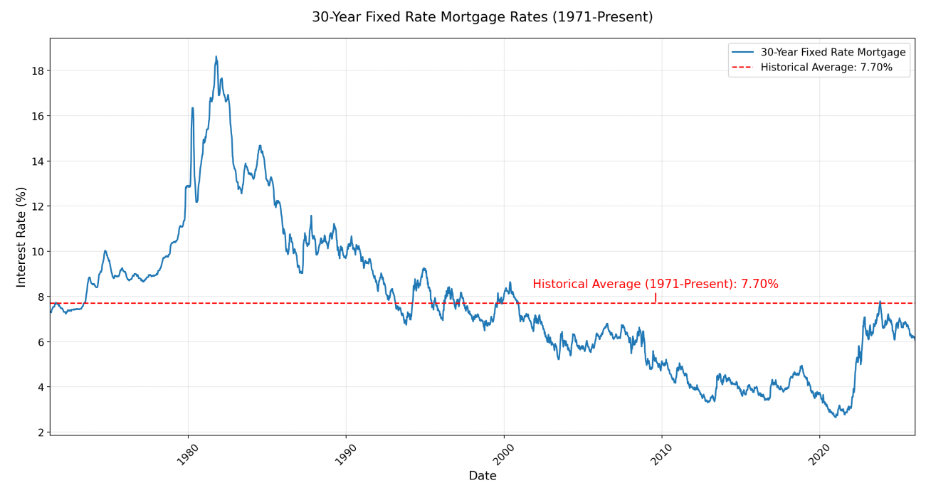
We wake up this morning to lower oil prices and a bond market that appears to be looking past the latest diplomatic setbacks. Investors seem to be increasingly pricing in the possibility that the conflict may ultimately be resolved through force rather than negotiation.
One thing remains constant: markets hate uncertainty.
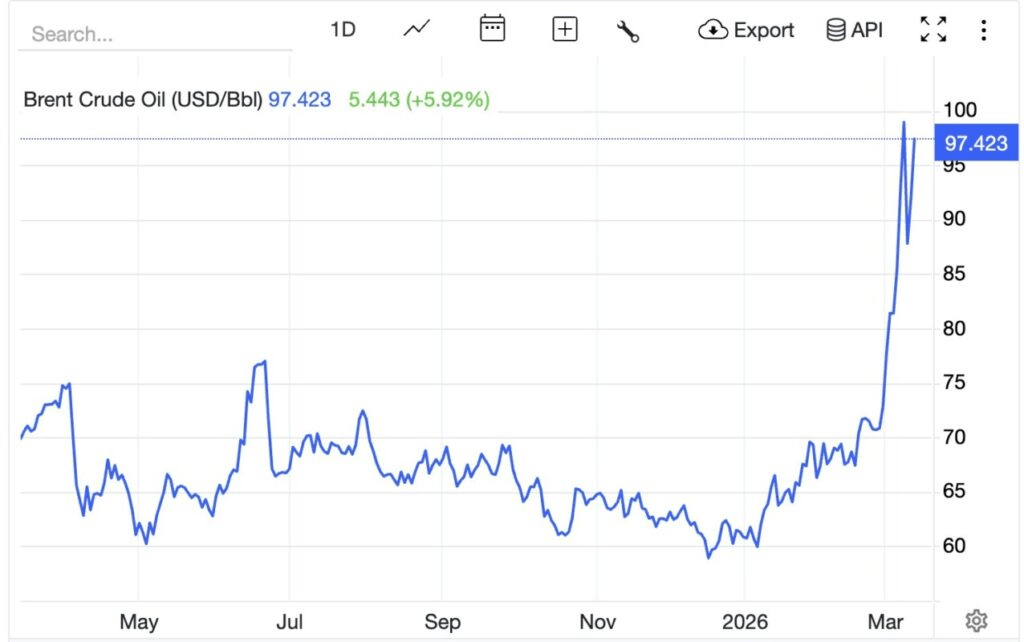
Despite ongoing tensions, reports indicate that more than 200 ships successfully transited the Strait of Hormuz, carrying over 100 million barrels of oil. The fact that global energy shipments continue to move is helping ease some of the market’s worst-case supply concerns.
On the inflation front, wholesale inflation came in hotter than expected. However, a deeper look into the report shows much of the increase was driven by producer-level pricing pressures, particularly energy-related costs.
There is no question that inflation has been moving higher, and it remains one of the biggest challenges facing both consumers and policymakers.
When the conflict with Iran eventually subsides, the inflation outlook could improve meaningfully over time. Lower geopolitical tensions would likely lead to lower energy costs, and lower energy costs tend to work their way through the economy.
Jobless claims rose by 4,000 to 229,000, above expectations of 219,000. While higher than forecast, the number is not alarming and continues to point toward a labor market that is gradually cooling rather than abruptly weakening.
http://www.YourApplicationOnline.com
-
Why do Foreign Nations by US Bonds? And why are they slowing down purchases?
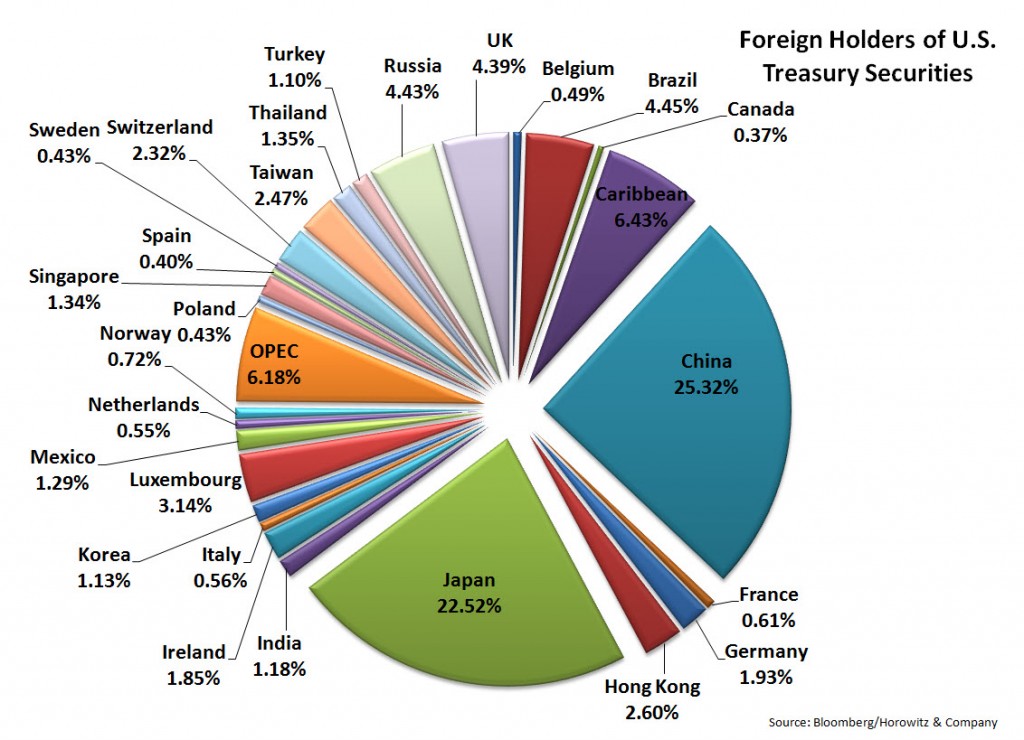
One of the main reasons foreign nations purchase U.S. Treasuries is to help keep their currencies weaker relative to the U.S. dollar.
Why would they want a weaker currency? Because it makes their exports less expensive and more competitive in the U.S. market. A stronger dollar means American consumers can buy more foreign goods, helping export-driven economies.
So why are some countries buying fewer Treasuries today?
The answer may be energy. Oil is priced globally in U.S. dollars. When the dollar becomes too strong, it takes more of a foreign country’s local currency to purchase the same barrel of oil. That increases costs throughout their economy.
As a result, some nations are facing a tradeoff. Instead of buying additional U.S. Treasuries and helping keep their currencies weak, they are choosing to preserve the strength of their own currency to offset rising energy costs and inflation pressures at home.
In simple terms, they are sacrificing some export competitiveness to reduce the pain of higher-priced imports, especially oil.
That shift means less foreign demand for U.S. Treasuries, and when demand for Treasuries falls, yields tend to rise. Higher Treasury yields often translate into higher borrowing costs throughout the economy, including mortgage rates.
It’s another reminder that today’s interest rate environment isn’t just about the Fed. It’s also about global trade, energy markets, currencies, and the decisions being made by central banks around the world.
Time to get pre-approved http://www.YourApplicationOnline.com
-
Subscribe
Subscribed
Have a WordPress.com account? Log in now.

