-
Inflation Data over the past six months Indicate…. -Fed Gov Bowman
What a difference a day makes. Fed Governor and voting member Michelle Bowman stated that the Fed’s actions are bringing down inflation.
Why this is important is that she was one of the more hawkish members, indicating two more rate hikes just last month.
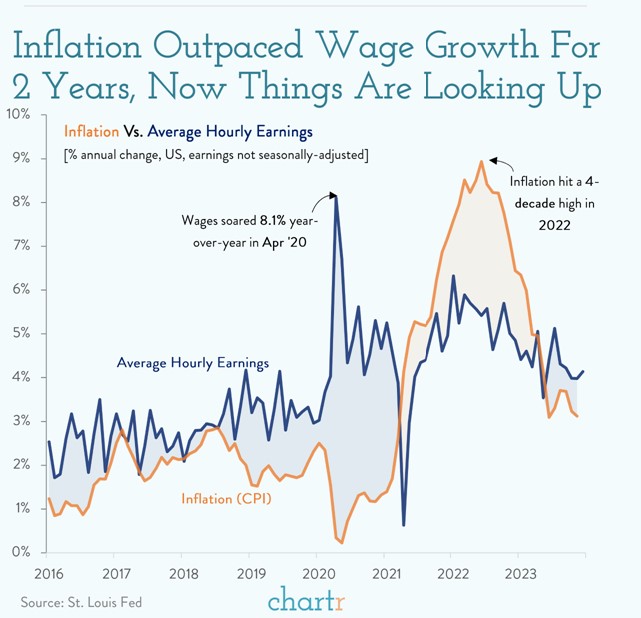
Thursday is the day the CPI – Consumer Price Index inflation report comes out for the month of December. We may see a slight rise in inflation from 3.1% to 3.2% or it might remain flat.
The Core inflation, which strips out food and energy, is expected to drop, which the bond market will likely favor.
-
What Happens when the FED starts buying Treasuries again?
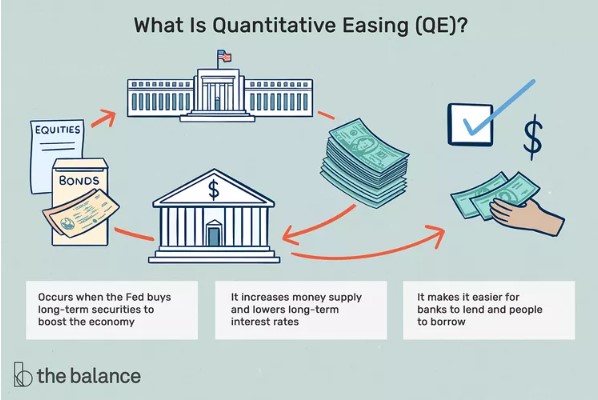
For the past two years, the Fed has been selling off its balance sheet of Treasuries or Bonds. The impact is the reduction of the money supply, making it more difficult and expensive to borrow money, in turn, slowing the economy and raising interest rates.
On the flip side is Quantitative Easing or QE. This is what the Fed had been doing starting as far back as the 2008 financial crisis and ending two years ago. The effect of all this purchasing has been lower interest rates and arguably, artificially low interest rates.
QE is used when the Fed wants to stimulate the economy and reduce interest rates on long-term securities.
Dallas Fed President Lorie Logan said she feels it’s appropriate to consider reducing QT or their sell-off of the balance sheet.
This is another data point when the question comes up: ‘When will interest rates drop?’”
-
Is the BLS Jobs Report correct?
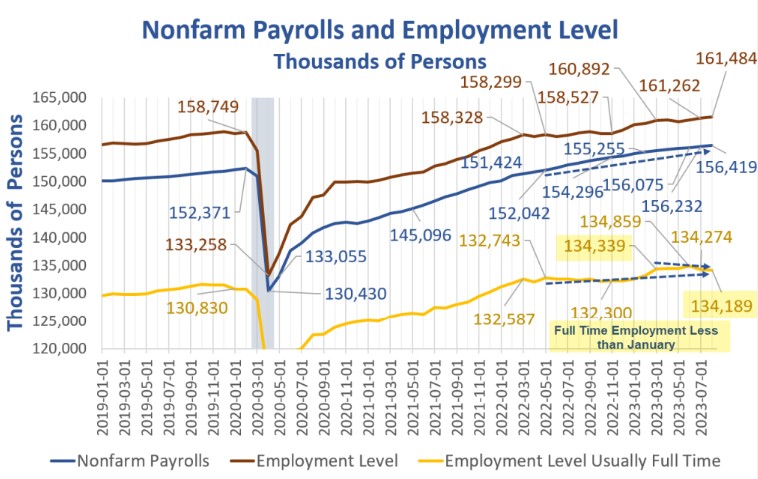
BLS – Bureau of Labor and Statistics has revised their prior numbers lower every month on average by 40k, totaling almost 500,000 job revisions since January 2023.
October was revised lower by 45,000 to 105,000, and November from 199,000 to 173,000.
The market relies on these data points, but if you can’t trust the data, who can you trust?
This morning, the market reacted negatively to the better-than-expected jobs numbers but then remembered two things: it’s December’s numbers, which are always strange, and the anticipated revised numbers surely to come out next month.
The 10-year bond yield is lower but started off the morning up.
Average Hourly Earnings rose 0.4%, hotter than estimates. This puts pressure on inflation and the Fed’s pending rate cuts.
But as we look under the covers, the actual job creations to job losses paint a weakening picture with more part-time jobs. This is why the bond market shifted gears to our positive, i.e., lower rates.
It takes a bit to read and digest the vast amount of data that came in this morning, so we forgive the market for initially overreacting.
Slightly dated graph, but it still gives me a headache just looking at it.
-
ADP Numbers, Construction leads the way. Changers still benefit over Stayers.
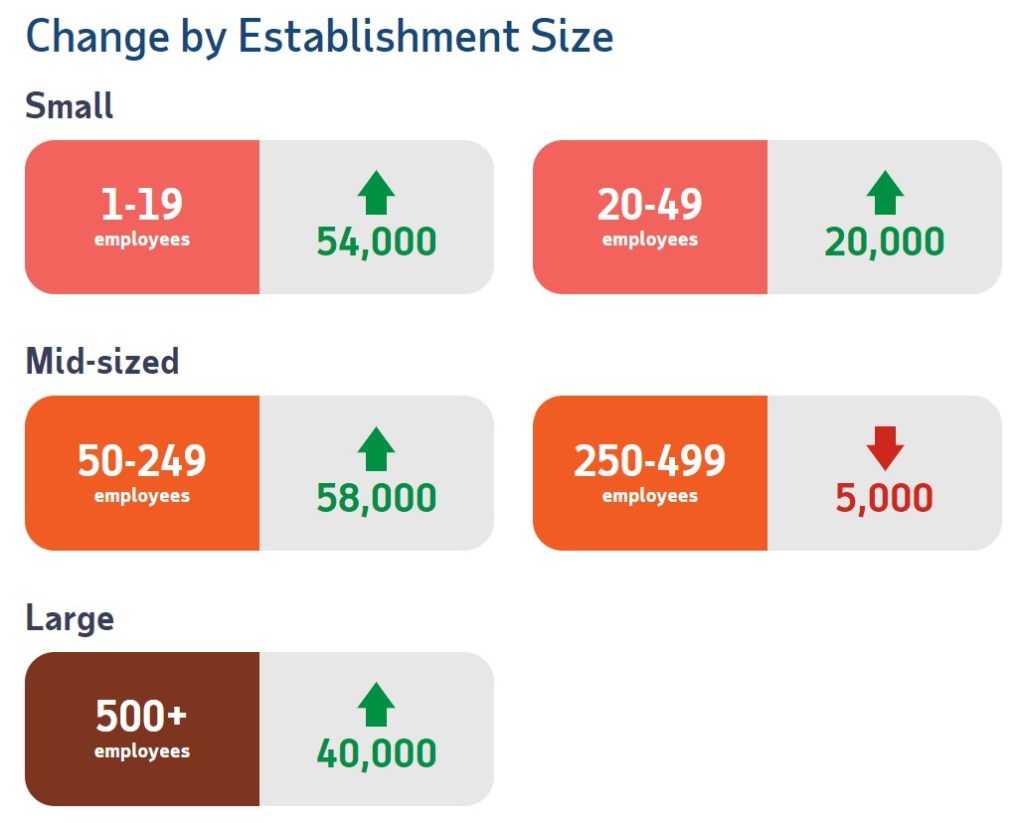
ADP Employment report is out and was slightly stronger than expected at 164,000 jobs compared to the 130,000 estimated.
October and November numbers were 100,000.
Another aspect of the ADP report is the Stayers vs the Job Changers. Both these numbers or % are on the decline. The job stayers had a pay increase of 5.4% slightly down from 5.6%, the job changers averaged an increase of 8.0% down from 8.3%.
To put this in context, last year the Stayers saw an increase of 7.6% and a 15.1% increase for the Job Changers.
What this means is we are settling in. The benefit of changing your job is less attractive and the employers know it but still want to retain their employees.
-
The Fed is making Real Progress on Inflation – Richmond Fed President
That is always a good sign.
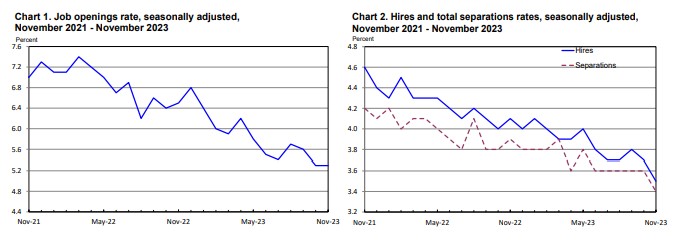
The JOLTS report had a decline from 8.85M to 8.79M slightly below market expectations.
JOLTS is the Job Openings and Labor Turnover survey. This is one of those leading indicators of future employment and employer retention.
Instead of just looking at the Unemployment rate, it covers everything from Vacancies, separations, voluntarily quitting, layoffs and Discharge. The report also looks at deaths and retirements.
For reference the Job Openings at 8.8M is down from the high of 12.0M March 2022.
This is a survey of more than 20,000 businesses and government offices. The takeaway is a strong labor market with employers holding on to their employees.
-
Good morning 2024, the Sun is shining.
The Jobs reports are coming out on Thursday and Friday. These include the ADP, JOLTS, and BLS Reports.
We will also be receiving the Fed Minutes from the December 13th meeting. What is important is that this is when Powell pivoted. We anticipate the Fed cutting rates in March but not sooner.
I am optimistic about 2024 and look forward to the challenges and successes.
“Homebuying Demand Shows Early Signs of Rebound. Declining mortgage rates and a double-digit increase in new listings are bringing house hunters off the sidelines.” – Dana Anderson – Data Journalist 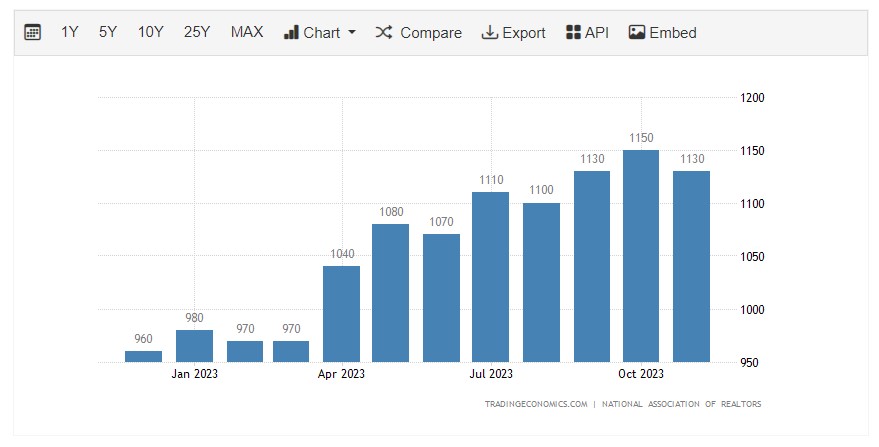
-
It was nice knowing you 2023
In 2023, the Lenders, Realtors and Consumers has demonstrated remarkable resilience and adaptability. Despite various economic challenges, our industry has shown a positive trajectory with lower mortgage rates, encouraging both potential homebuyers and existing homeowners to explore opportunities.
Overall, the positive trends are poised to continue in 2024.
I am looking forward to 2024 and beyond. Be safe this weekend and I will see you on the other side.

-
Pending Home Sales, what homes.
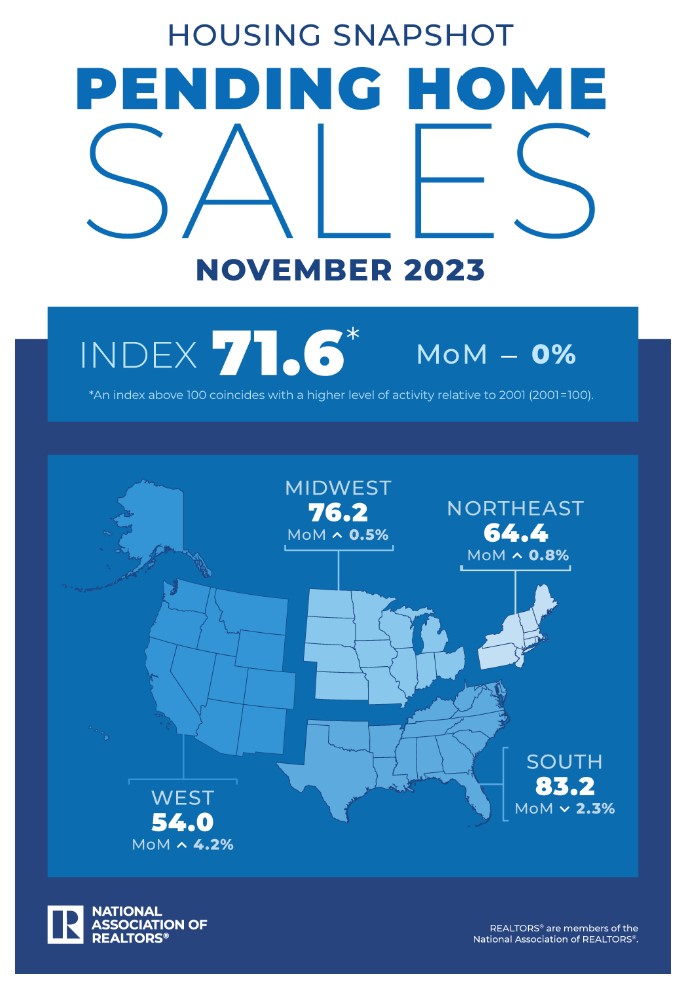
Pending Home Sales, which measure signed contracts on existing homes, not new construction, were flat last month, surprising the market that had expected a gain, especially with the lower rates. Inventory is still a major challenge.
December should tell a different story. More potential buyers are applying for loans, and more potential sellers are thinking that maybe it’s the right time to sell.
Initial Jobless Claims are flat, while Continuing Claims rose by 14,000 to 1.875 million, one of the highest readings since November 2021. This is indicative of a weaker labor market.
What this really means is the economy is slowing, which helps with inflation and causes mortgage rates to drop.
-
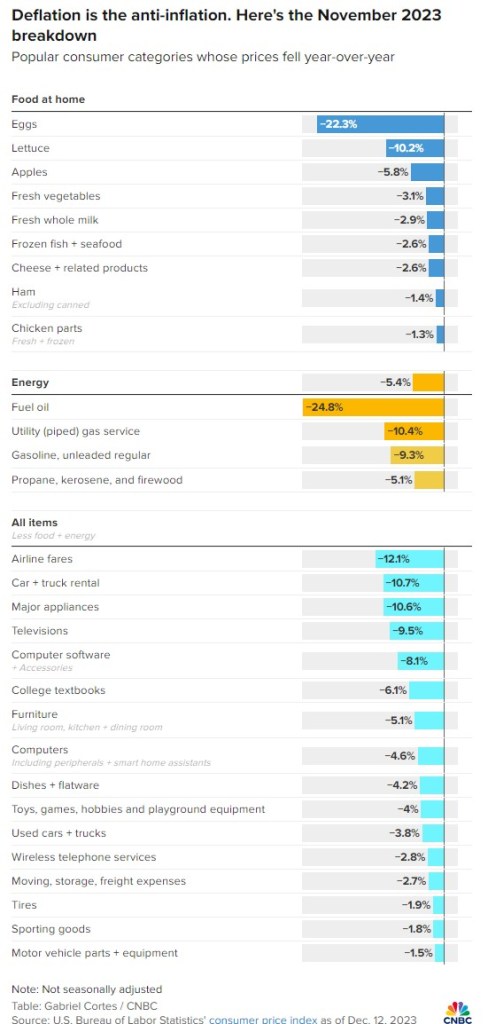
Deflation, there I said it.
What goes up must come down. As Michael Douglas said in Wall Street, ‘Greed is Good,’ until consumers wise up.
We still face a housing inventory problem, as I mentioned yesterday. Fannie Mae and Pulsenomics Survey released their Q4 Home Price Expectations Survey this morning.
Over 100 of the top housing experts in the country believe home prices will rise on average by 2.4% and by 25% over the next 5 years.
As we continue to see mortgage rates drop, sellers are starting to take notice. A 5% interest rate compared to a 3.5% rate is only a 15% difference in the house payment.
The 5% rate is not in our rearview mirror but up ahead. We don’t know how far, but it’s out there.
-
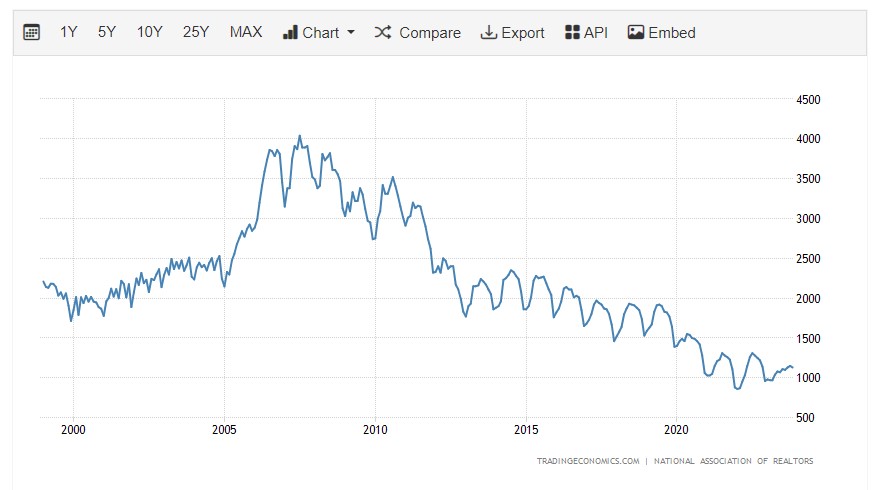
Its all about Inventory. The Rate drop is fueling demand.
Rates went up in 2023 but the home values continued to rise. Rates are now dropping but the home values continue to rise.
The demand is so high that it will take a larger drop in mortgage rates for the vast majority of homeowners to budge.
Until we have an appreciable rise in inventory, I would not be sitting on the sidelines waiting for home\ values to drop before you buy. This is not 2008 by any stretch.
In 2022 home appreciation hit 6%. This year we will end the year 6-8%.
-
Subscribe
Subscribed
Have a WordPress.com account? Log in now.

