-
Looks like a Duck, Quacks like a Duck but wait, its not a duck?
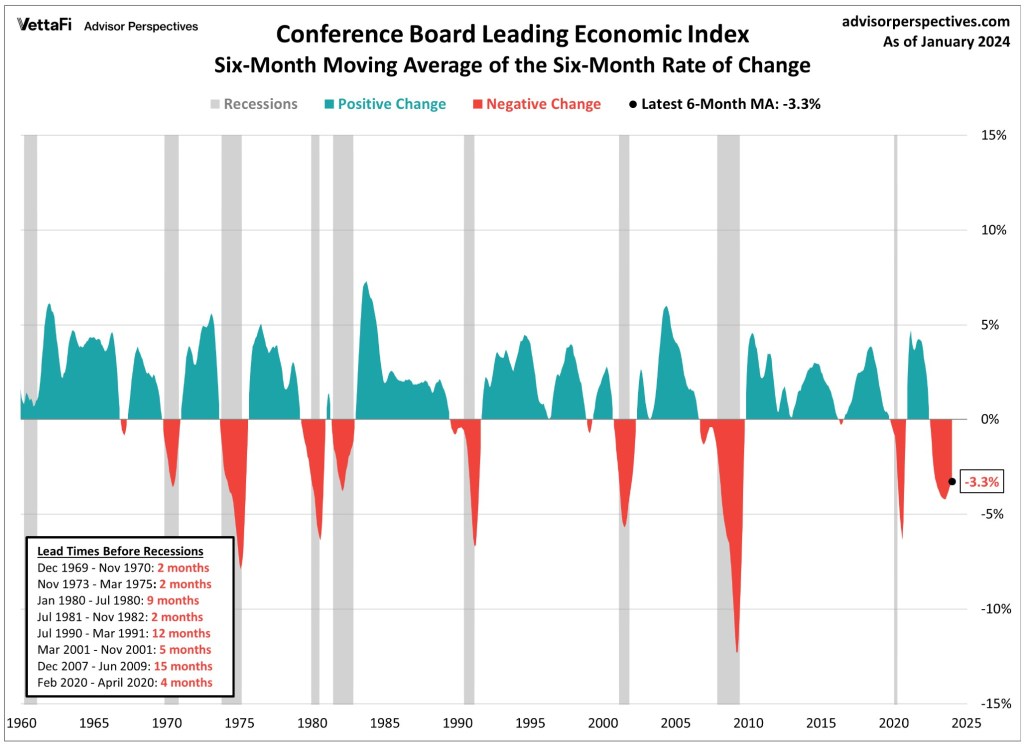
Interesting comments this morning from the Conference Board who released their Leading Economic Index.
Here is the exact quote:
“The leading index currently does not signal recession ahead. While no longer forecasting a recession in 2024, we do expect real GDP growth to slow to near zero percent over Q2 and Q3”
Its called a Recession-Like Slowdown. Translation: Lower inflation and lower mortgage rates this year.
Applications are down 10% with year over year down 13%. You are being presented a gift. A gift of less competition.
-
Be Careful what Economy you create, the data will tell you exactly what you want.
The past year I have had the opportunity to write my daily thoughts of the World from a Mortgage perspective. The biggest challenge is making sure I’m not finding the data that represents my conclusion.
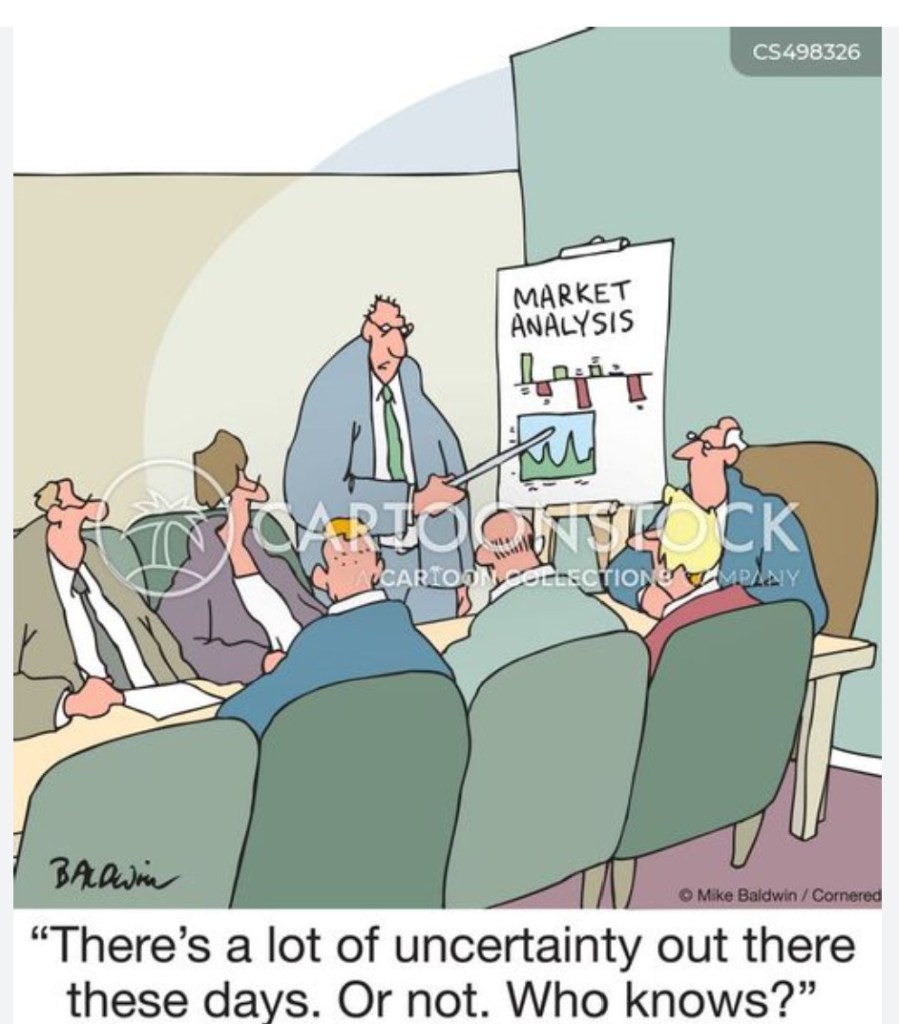
Most economists at best are wrong and at worst are completely wrong. The recent CPI, PPI and CPE data shows we don’t have a crystal ball.
Be careful of your internal bias because it’s very selfish and hungry.
My best guess is the Feds will now start lowering the Fed rate in June. By Summer we may be solidly in the low 6’s for interest rates and by winter in the 5’s.
-
A Piece of Sand does not make a Beach, but 10M might…
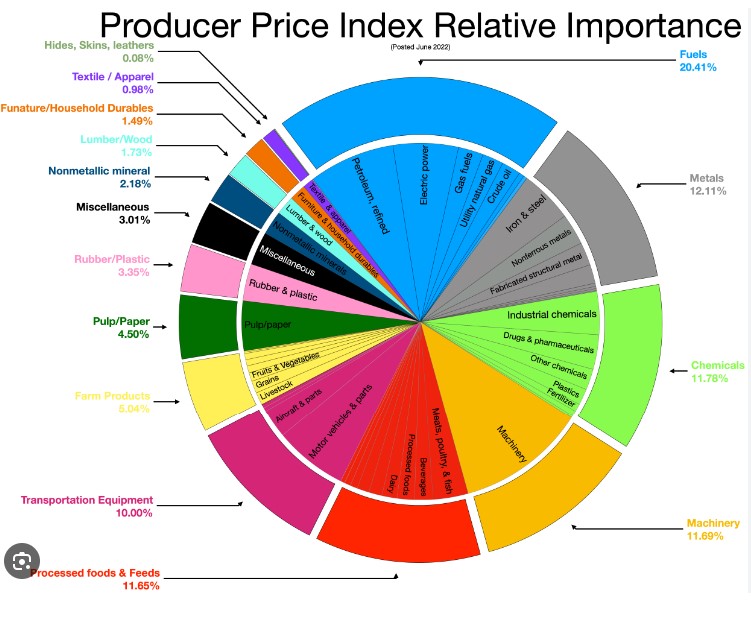
The Producer-Price Index – PPI rose 0.3%, and the Core PPI rose 0.5%, both far hotter than expected.
PPI measures the average change in selling prices received by domestic producers over time. It is a measurement of inflation at the wholesale level.
Let the significance of this sink in. This measures the change in prices before they reach the consumer.
The Feds look at this number more seriously because it has significantly more data points than the CPI and focuses on the cost of production, not the cost of consumption.
This does not bode well for Fed Rate Cuts in March or even June. This report reminds us we are not out of the woods despite how hard we stomp our feet.
-
What goes up Must come Down. Please…
Retail sales dropped by -0.8%, significantly below the anticipated -0.1%.Core retail sales also saw a notable decline of -0.4%, falling short of expectations.
Initial jobless claims decreased by 8,000 to 212,000, marking the first decline.
Continuing claims, however, increased by 30,000 to 1.895 million, reaching their second highest level since November 2021.
Capacity utilization, specifically in industrial production, decreased by 0.1%, highlighting ongoing manufacturing weakness.
Japan’s Q4 GDP figures remained negative for the second consecutive quarter, echoing similar economic struggles in Europe.
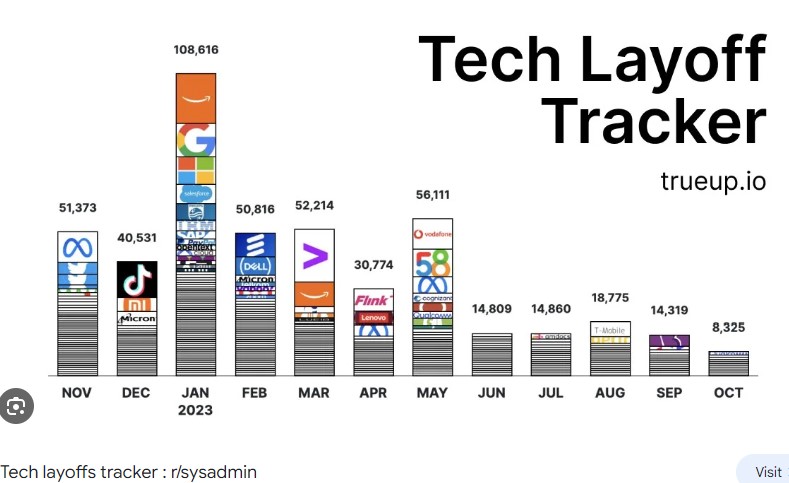
Despite reports of tech layoffs dominating headlines, last year actually saw more significant job cuts in the sector.
-
Divergence between CPI and PCE and why it matters more than you think.
Let’s Talk CPI and PCE. it’s important so put down your cell phones and pay attention.
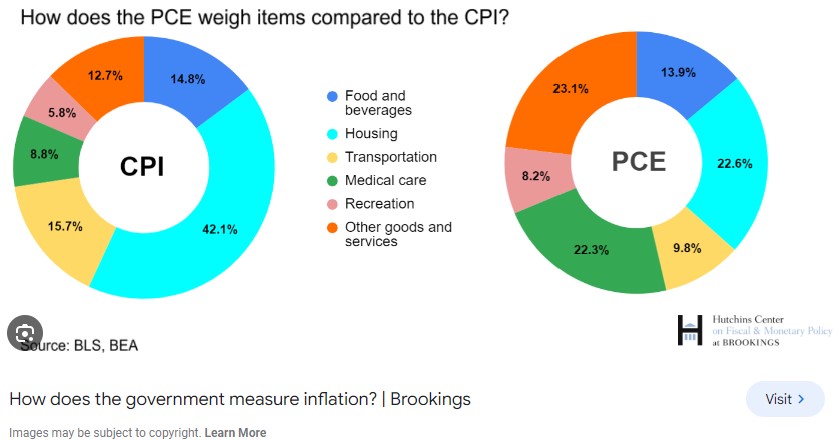
CPI updates the “weight” of its items Annually, while PCE updates Quarterly. So what does that mean?
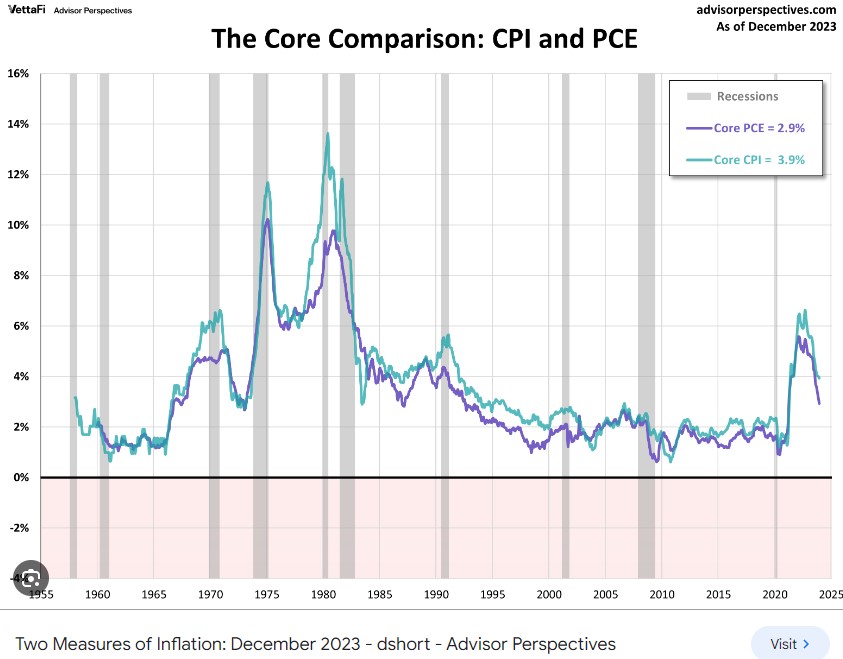
CPI typically has a higher inflation rate because they can not capture in relative real time consumers switching to cheaper products.
To get a bit further in the weeds, CPI only captures a narrow definition of Urban consumer expenditures made directly from Consumers. PCE considers expenditures made by all consumers as well as those made by other third parties.
Here is an example: A Healthcare insurance provider who purchases prescription drugs on behalf of patients. PCE weighs health care at 22.3% while CPI is at 8.8%.
The second graph demonstrates the divergence and that we are closer to the target 2.0% inflation than we realize.
-
I wanted the whole Pie, not just 7/8s of it… PCI numbers hot.
The good news is that the PCI numbers show a year-over-year inflation decrease from 3.4% to 3.1%. The problem is, we Buruca’ed it.
The Core rate, which strips out food and energy prices, increased by 0.4%, one-tenth higher than expected.
Here are the numbers:
Energy prices fell by 0.9%, gasoline dropped by 3.3%, and used car prices decreased by 3.4%.
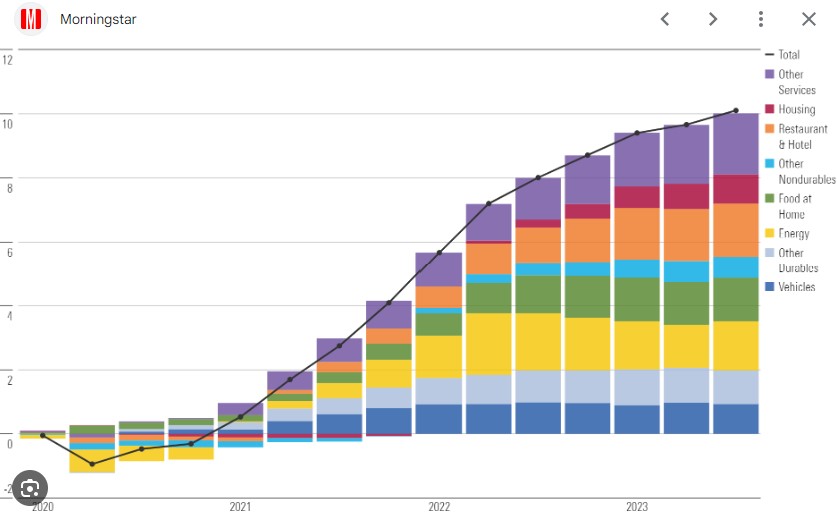
Shelter costs, which make up 44% of the index, rose by 0.6%. Lodging away from home also increased by 1.8%.
Auto insurance, which accounts for 3.6% of the inflation reading, rose by 1.4%.
The bottom line is, inflation is decreasing, just not as rapidly as we expected or anticipated. We’re all ready to Get-to-Getting but are struggling to move forward.
-
88M or 34% of adults use “Buy Now, Pay Later”.
Consumer financing companies like Affirm play a vital role in providing options for individuals who may not have access to or qualify for traditional credit cards. However, the increase in consumer debt by 12% since 2022 raises important considerations about financial health and its impact on discretionary incomeThe challenge lies in how effectively consumers manage and repay these debts, as it directly influences their ability to pay for non-essential purchases later on.
How healthy are the consumers? well it depends on when you look. Consumer spending is up, but how is the big question. Retailers are already seeing the pinch as buyers are becoming more savvy leading to more cautious spending habits.
This will bring prices down as competition for the consumers attention rises.
Tomorrow morning the Consumer Price Index – CPI will be out and expected to drop from 3.4% to 3.0%. This is positive news for the Bond market as we expect rates to continue to drop.
-
CEO Confidence Survey – not as boring as it reads.
I tried to cook up a witty subject line but failed.
The Conference Board released their Q1 CEO Confidence Survey and it was what we expected in a roller-coaster kind of way.
The Index took a leap from 46 to 53% thanks to a sprinkle and dash of lower interest rates and inflation.
However, and hold onto your hats – 23% of the CEO’s up from 13% expected to show some workers the exit door. The enthusiasm for expanding their workforce seems to be losing steam, dropping from 38% to 35%.
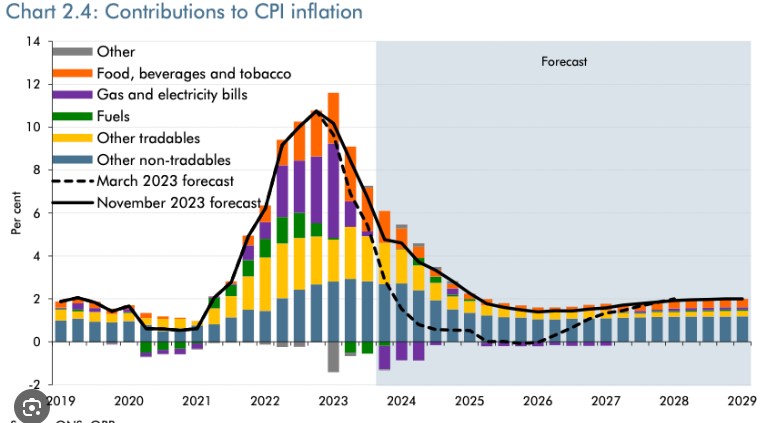
All eyes are on next week’s January CPI number on inflation. The industry is anticipating a decline from 3.4% to 3%. Remember these numbers are based on last year’s inflation numbers so as we journey forward the drop in inflation will be smaller and smaller.
-
Growth, Inflation and Divergence
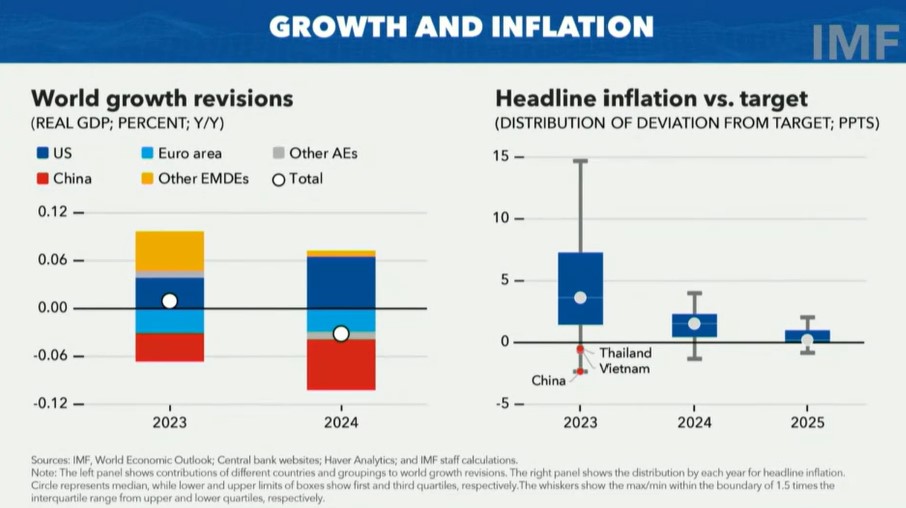
In 2023, the United States marked a significant milestone as it surpassed China in imports of goods and services from Mexico for the first time. This shift was influenced by factors such as geographic proximity and heightened tensions between the US and China.The robust US economy continues to outshine others globally, with efforts focused on addressing inflation and bolstering the labor market.
Initial Jobless Claims fell 9,000 to 218,000. Continuing Claims fell 23,000 to 1.871M.
Mexico
In 2023, the US imported $475 billion worth of goods from Mexico, which is a 5% increase from 2022. In the first 11 months of 2023, goods imported from Mexico accounted for 15% of US imports.
China
In 2023, the US imported $427 billion worth of goods from China, which is a 20% decrease from 2022.
-
The Feds are being stubborn and won’t play with others…
Fed Minneapolis President, Neel Kashkari said the Fed is not as restrictive as it appears.
Translation, they are holding off cutting rates.
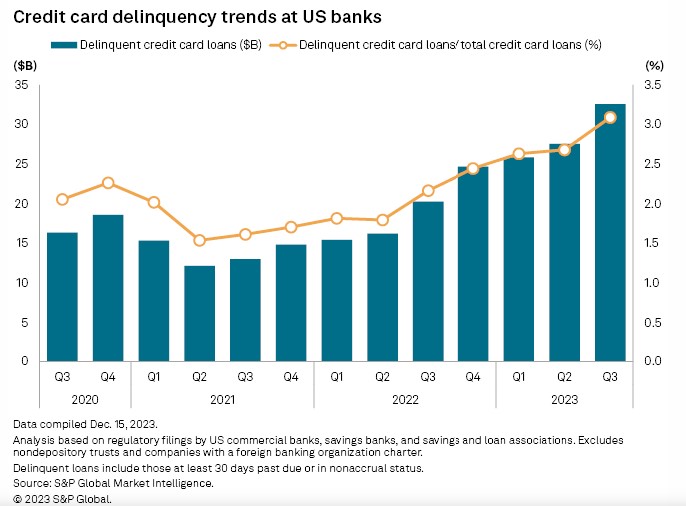
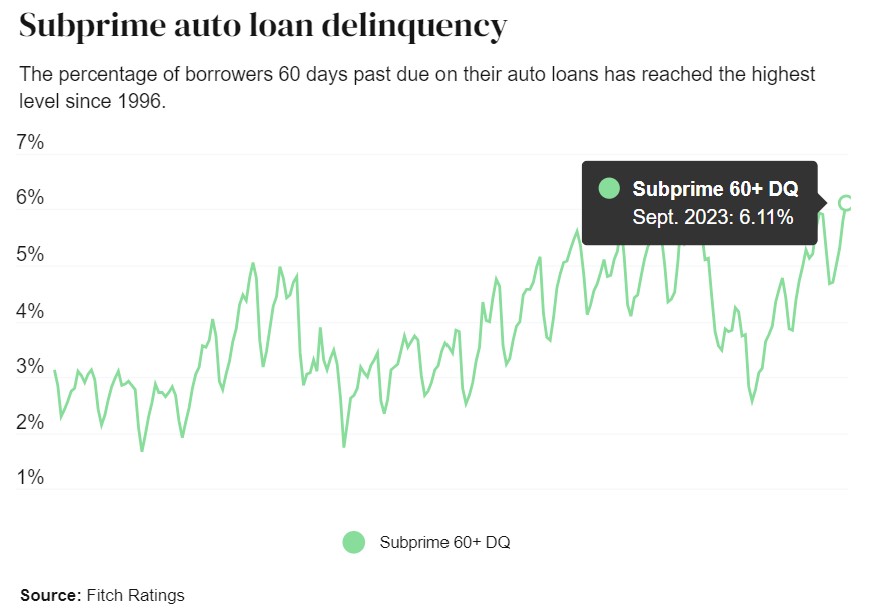
Regardless of the Raw data, the Feds continue their stubbornness regarding the true nature of what is going on. Credit card and auto loan defaults are on the rise. This is the canary in the coal mine. The ongoing layoffs in the high-tech sector will undoubtedly affect employment figures, compounded by a notable exodus from the labor market, resulting in the exclusion of those individuals from official counts.
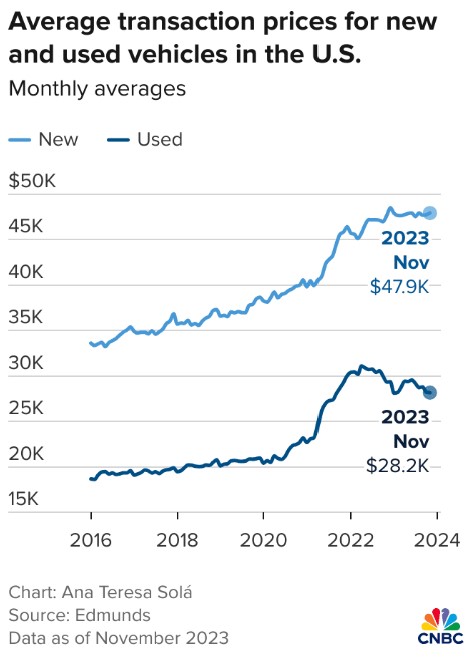
Used car prices are down per Manheim Used Car Index. it’s an important component of inflation. The cost to finance is expensive and the Covid money disappears.
We are still holding on to our improved rates this year, so get out there and start looking for your new home.
-
Subscribe
Subscribed
Have a WordPress.com account? Log in now.

