-
The only way you can find out if you can’t do something, is to do it.
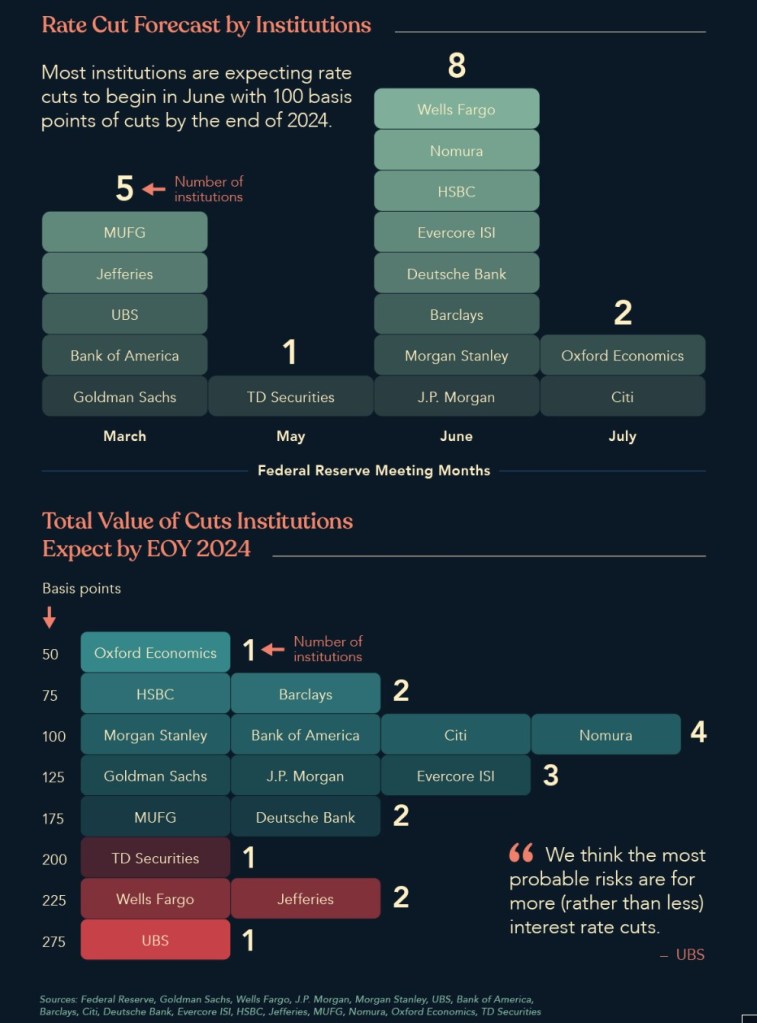
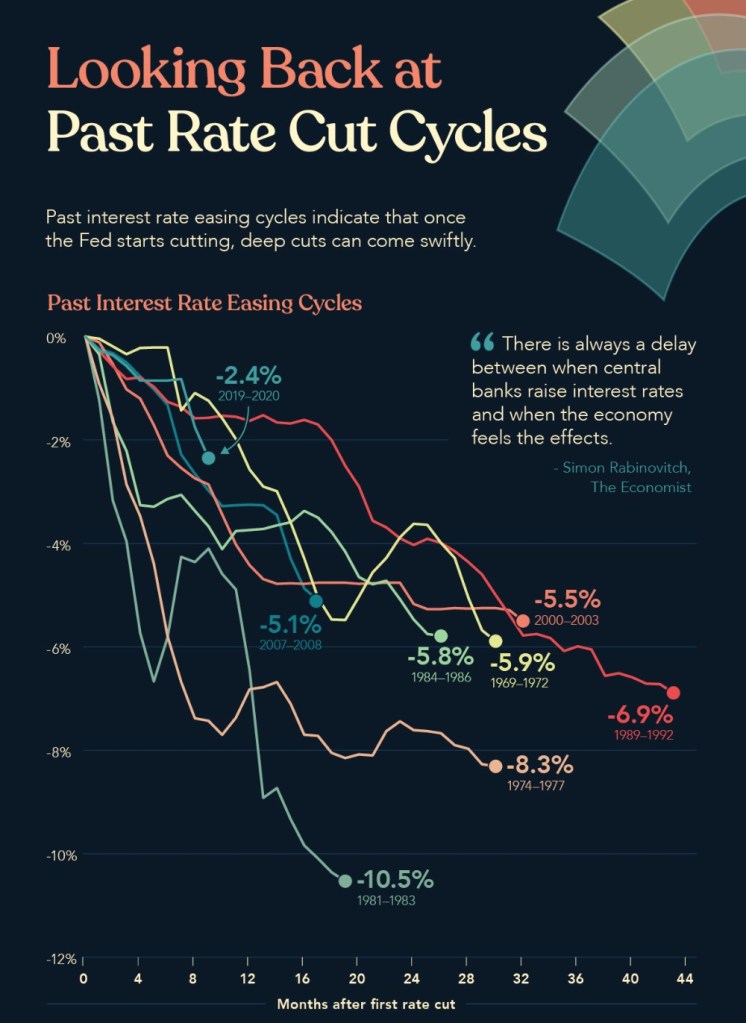
Today is simply a Picture day. First image is the rate cuts estimate by Institutions, the second graph shows the speed of the cuts.
-
140,000 Jobs created but wanted more – ADP
Stock Market is up and ADP Employment Report is in. We are slightly off expectations of 150,000 jobs created in the private sector. January was 111,000.
Mortgage applications are up 9.7% as are refinance applications. Still lower than last year but the trend is there.
Job Stayers pay increased 5.1%, while Job Changers saw an increase of 7.6%. This was the first increase in 19 months.
Powell’s prepared remarks did not shed light on his future actions other than there is not enough confidence that inflation is moving sustainably towards 2%.
So we wait…..
-
It’s beginning to look a lot like…more Housing Inventory?
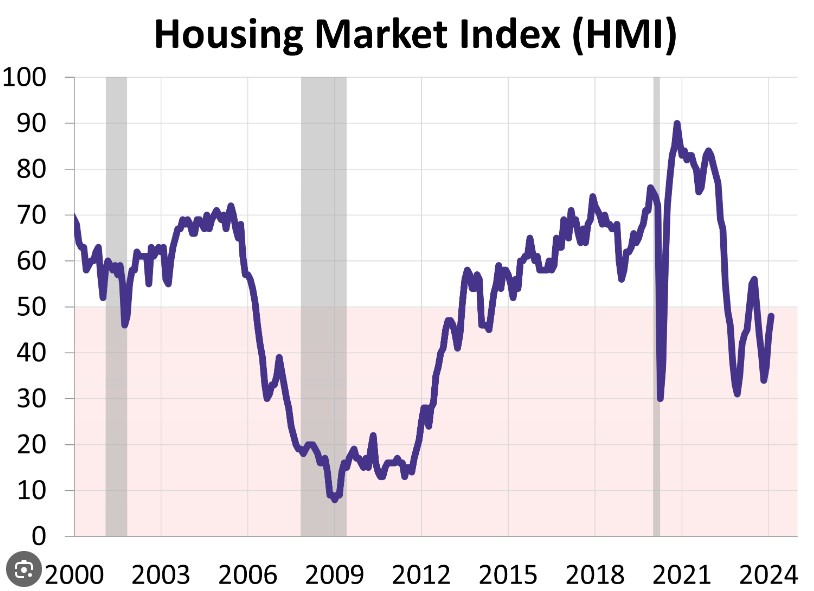
One bright light is the Housing Market Index – HMI report.
Every month, the National Association of Home Builders (NAHB) and Wells Fargo survey NAHB members for their Housing Market Index (HMI) report.
This survey gives a sense of the single-family-home environment and looks at three components. Current home sales, Home sales over the next six months and traffic of prospective buyers. This is measured on a 0-100 scale.
February’s score was 48 up from 44 in January and 42 the year prior. This is the highest rate since August 2023.
Building permits hit a seasonally adjusted annual rate up 8.6% year over year.
With the anticipation of Fed rates dropping this summer, the builders have taken notice and appear to be maintaining their positive outlook.
-
Reaction without Reflection
Acting impulsively without thinking about the consequences. Reflection without reaction is what the FEDs are doing.
As an Engineer for the first part of my life, we called this Analysis Paralyzes. It’s the inability to make a decision out of fear of making the wrong decision.
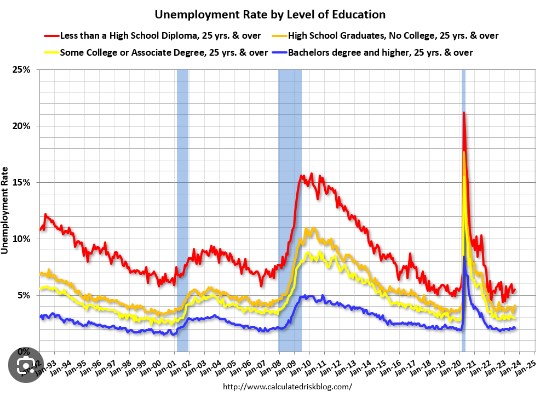
We can see the data and what the street is telling us. Even if the unemployment rate is historically low, employees have a fear of changing jobs or leaving without a new job. In this case the workforce becomes stagnant.
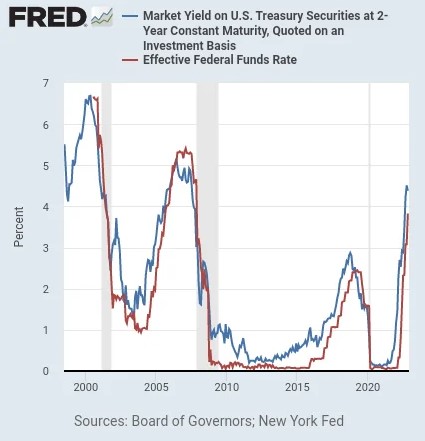
From my perspective it feels like the world is waiting for the FEDs to start lowering the FEDs Fund Rate before they commit to the future. We are sitting in limbo and that’s not a fun place to be.
-
If you Aim at Nothing, You’ll Hit it Every Time.
The ISM Manufacturing Index which measures the health of the service industry decreased to 47.8%. We are now 16 consecutive months with contractions.
This means the economy is slowing as expected with the continued high FED rate.
The Consumer Price Index has a huge component being Shelter Costs. It makes up 45% of the Core Index. The problem is those numbers incorporate Owners Equivalent Rent (OER) which is 1/3 of the CPI number.
Here is the question and I want you to answer:
“if someone were to rent your home today, how much do you think it would be for rent for monthly, unfurnished and without utilities?”
How could we possibly be tracking Consumer Prices for Shelter if we are asking a question we are guessing at. The difference between the actual rent costs and the OER are diverging.
One of the reasons is the OER peeps are single family home owners not multi family renters. A bit perplexing.
Ok, it’s Friday and I am ranting… Have a fantastic weekend and rates are improving.

-
Inflation down .02% to 2.4%, Stocks, Jobs and housing news.
Pending home sales decreased by 4.9% despite an expected gain.
- Stock is higher this week.
- Initial Jobless Claims increased by 13,000, surpassing expectations.
- PCE increased by only 0.3% in January, down to 2.4% year over year.
Translation: Rates improving, and more data for the FEDs to start lowering rates.
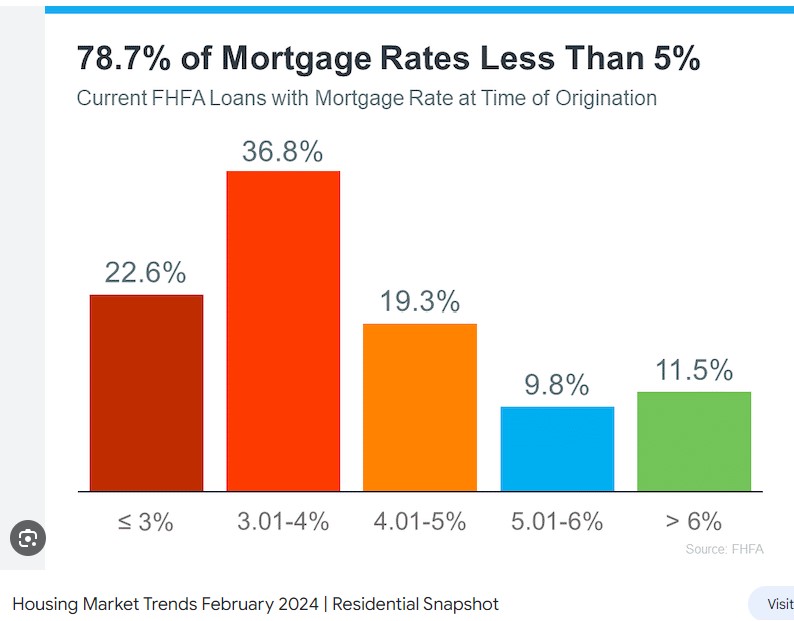
Here is an interesting look at what rates homeowners are carrying.
-
GDP growth slows, PCE Expectations tomorrow.
Q4 GDP – Gross Domestic Product grew at an annualized pace of 3.2%, which is a decline from the expected 3.3% and much lower than Q3 4.9%.
What this means is the economy is slowing. Not quickly which is good, but still slowing.
PCE – Personal Consumption Expenditures numbers come out tomorrow. The expectation is inflation will drop from 2.6% to 2.4-2.3%.
What this means is more data for the FEDs to start cutting rates.
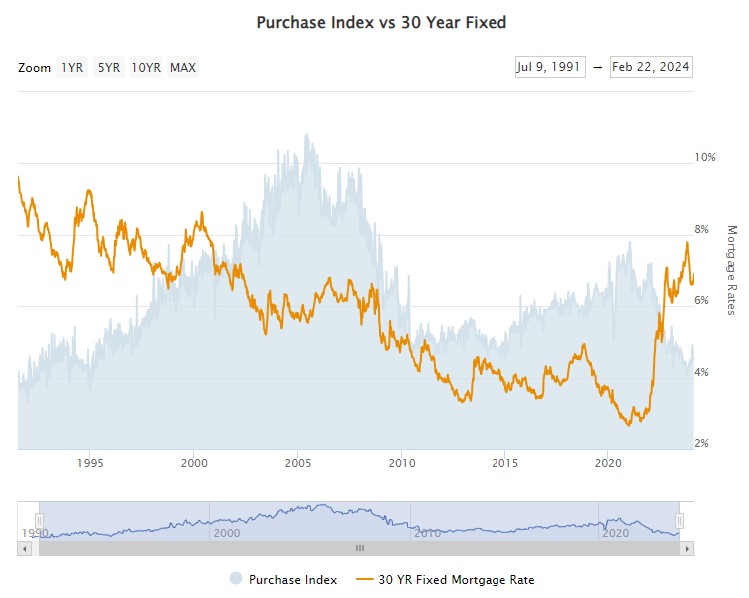
Below graph is the Purchase Volume vs the interest rate. You can clearly see the slowdown in the market.
What this means is less competition. Fewer purchase applications means less buyers to compete with.
-
Durable Goods Orders down 6.1% but wait a minute.
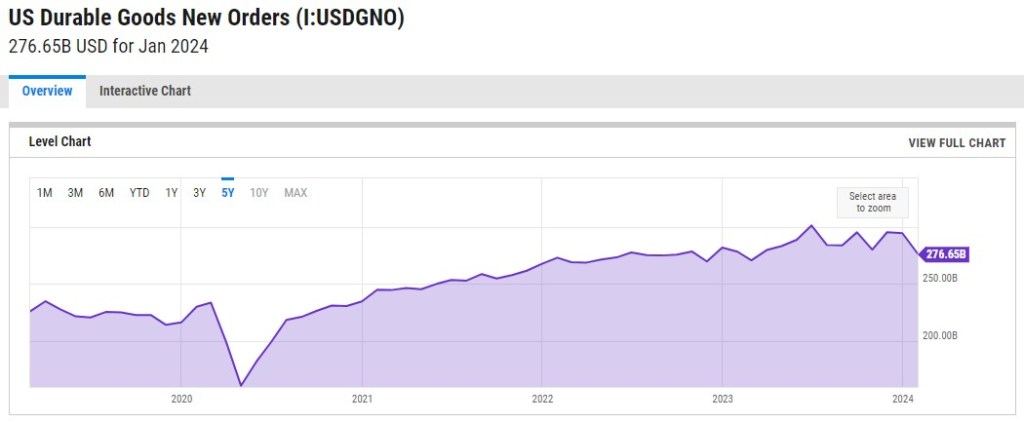
First lets define what this is. “Durable goods orders are new orders placed with domestic manufacturers for the delivery of long-lasting manufactured goods. The Census Bureau releases durable goods orders monthly as an economic indicator.”
The data is in: New orders decreased by 6.1% in January, a larger drop than the anticipated 4.5%.
Initially, this might trigger panic. It’s a significant decline. However, when viewed from a long-term perspective, orders remain substantially higher than pre-pandemic levels.
The Feds will see this as more data helping them lean into future rate drops.
-
Trading down and the impact to Retailers and Consumers.
Your spending habits and decisions reflect those of the general population, and retailers are taking notice.
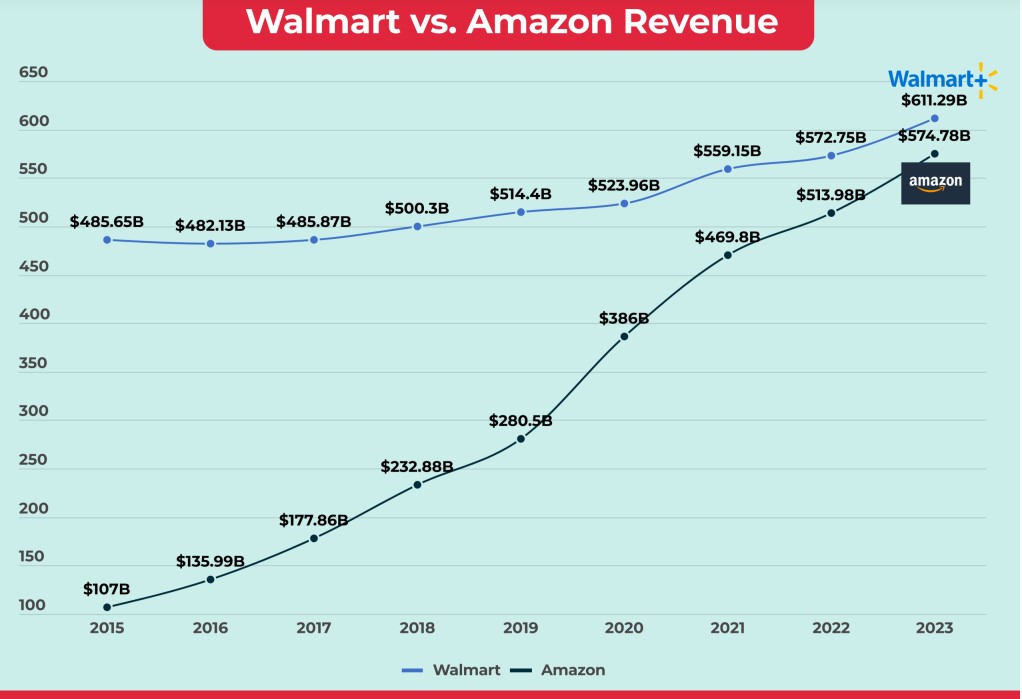
Walmart, the nation’s largest retailer, which typically benefits from these trade-downs, is also showing signs of weakness in the economy, with an average ticket price 4% lower compared to last year.
Think about what you have changed; it’s a good bet that other consumers have done the same thing. This is more information the Fed needs to pay attention to.
New home sales rose 1.5% in January, up 1.8% year over year. New homes measured by contracts have a 9.3-month supply, but only 80,000 of the 456,000 new homes for sale are completed.
The Thursday Personal Consumption Expenditures (PCE) report will be out, and it is one of the Fed’s favorite measures of inflation. Last week, we were hit with higher than expected CPI and PPI inflation reports.
The market is expecting PCE to decline from 2.6% to 2.34% or 2.3%. This is good news and further data pushing the Feds to start cutting rates.
-
“What’s the Rush?” says Fed Gov Waller. Well I can answer that.
Whether or not the voting members of the Federal Reserve are aligned, their message seems unified. All appears calm; why the haste?The Federal Reserve’s decision to lower rates will hold considerable significance for both homebuyers and sellers, irrespective of the actual drop in mortgage interest rates. It symbolizes the onset of a new chapter.
According to ZipRecruiter’s raw data, recruiting services experienced a decline throughout 2023, particularly affecting small to medium-sized businesses.
Of note, 80% of the job growth in 2023 stemmed from government, healthcare, and leisure & hospitality sectors.
Looking ahead to next week, we will have data releases including New Home Sales, Home Appreciation figures, GDP reports on Wednesday, and the PCE report on Thursday.
-
Subscribe
Subscribed
Have a WordPress.com account? Log in now.

