-
Service Prices have Fallen. Index is leaning to positive PCE numbers ahead.
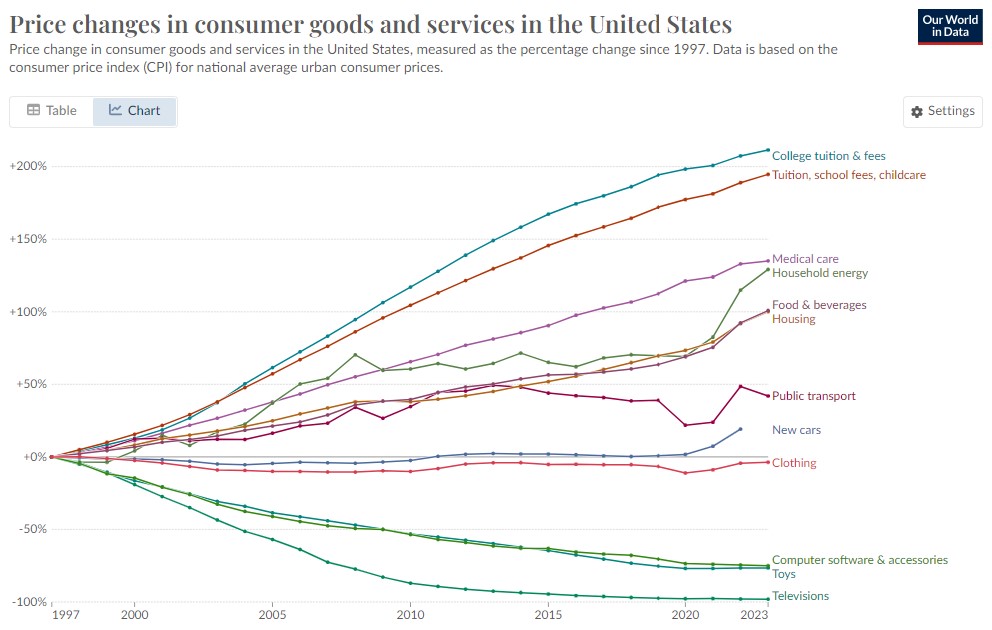
One of the components of inflation is the change in service prices of consumer goods and services. It fell sharply by 5.2 points to 53.4.
This is a leading indicator for the Personal Consumption Expenditures (PCE), a favorite inflation gauge of the Fed.
Employment increased slightly from 48 to 48.5. Employment has been contracting, as have backlogs. A backlog refers to a buildup of work that has not been completed in a timely manner.
The bottom line is that we are seeing mixed signals in the economy, with some pointing towards a recession and others not.
From my perspective, it feels like the anecdotal part of our brain is saying, ‘Hey, something’s up, I just can’t put my finger on it.’ This is good news for interest rates in the future and the kind of news the Fed wants to start seeing before they initiate rate adjustments.
-
When Growth in not a good thing.
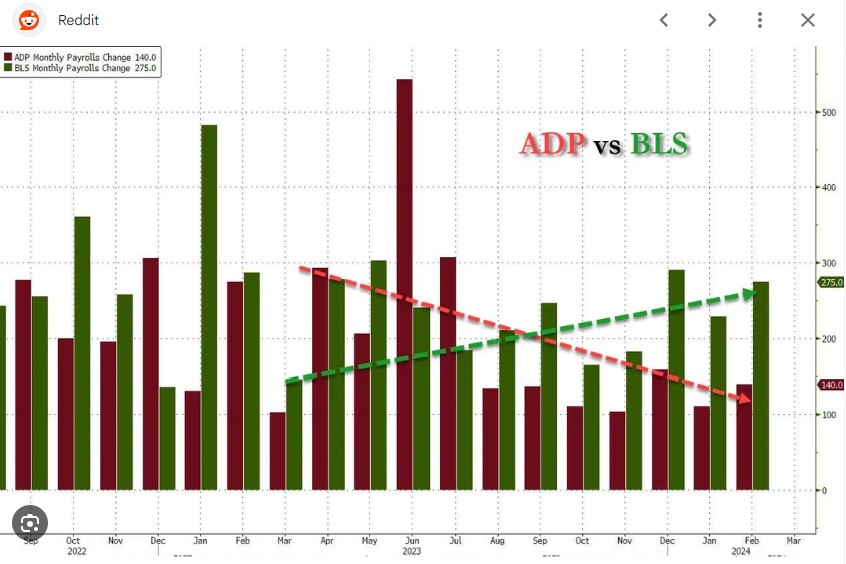
ADP’s private payroll data, released this morning, showed higher growth than anticipated, with 184,000 jobs added in March compared to estimates of 155,000.
Bond traders are currently pricing in a 62% chance of the first Fed rate cut in June, down from 70% last week according to the CME FedWatch Tool.
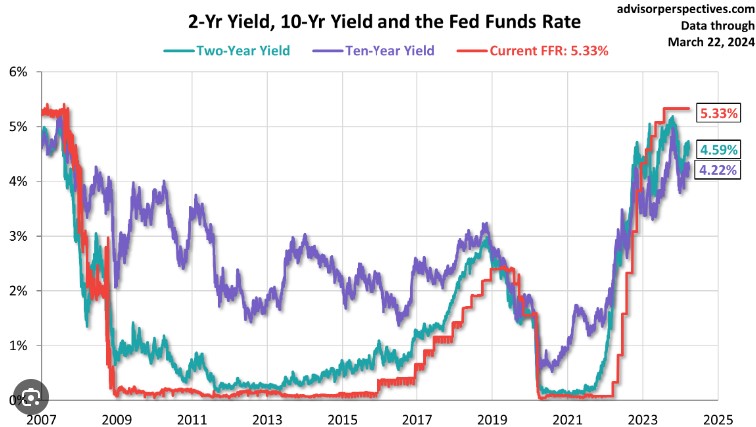
As the Bond Yields go, so goes the Mortgage Rates.
The graph below provides a clear illustration of the current and historical trends of the Fed rate, closely correlating with mortgage rates.
-
How can I miss you if you won’t go away
I hope this letter finds you well, although I have to admit, I’m not exactly shedding tears over our impending breakup. It’s time we had a little chat, you and I. You see, things between us just aren’t working out anymore.
I know, I know, we had some good times. Remember when we used to laugh together about rising prices and shrinking purchasing power? Ah, the memories. But lately, it’s like you’ve become this clingy, suffocating presence in my life. Every time I turn around, there you are, making everything more expensive and causing chaos in the economy.
I’ll never forget the time you inflated my grocery bill so much that I couldn’t even afford avocados anymore. And don’t even get me started on what you did to my gas prices. It’s like you took a personal vendetta against my wallet.
But hey, I’m not one to dwell on the negatives. I’ve decided it’s time for me to move on and find someone who treats me right. Someone who won’t constantly drain my bank account and wreak havoc on my financial stability.
So, consider this letter my official notice: it’s over between us, Inflation. I’m breaking up with you. And don’t even think about trying to win me back with your flashy promises of economic growth and prosperity. I’m onto you now.
Goodbye, Inflation. It’s been… well, it’s been something.
Sincerely, Me with the help of ChatGPT
-
I’m Crossing the I’s and Dotting the T’s. Reverse that…
Today’s market reaction is influenced by Friday’s data, particularly the release of the Personal Consumption Expenditures (PCE). PCE rose by 2.8% year over year, with a 0.3% increase from January.
While these numbers were within expectations, they raise the likelihood that the Federal Reserve will hold off on cutting rates in the near term.
Looking ahead to Jobs Week, the ADP and BLS Jobs Reports are set to be released on Wednesday and Thursday, respectively. The market anticipates the creation of 130,000 jobs for ADP and 200,000 for the BLS report, with the unemployment rate expected to remain at 3.9%.
It’s almost as if I could pull up a post from two months ago and be saying the same thing. It feels like we’re waiting around for just the right song to gather our nerve and ask that girl to dance.
Problem is, the song isn’t changing, and we need to get moving.
-
Personal Consumption Expenditures (PCE) Lighter than Estimates.
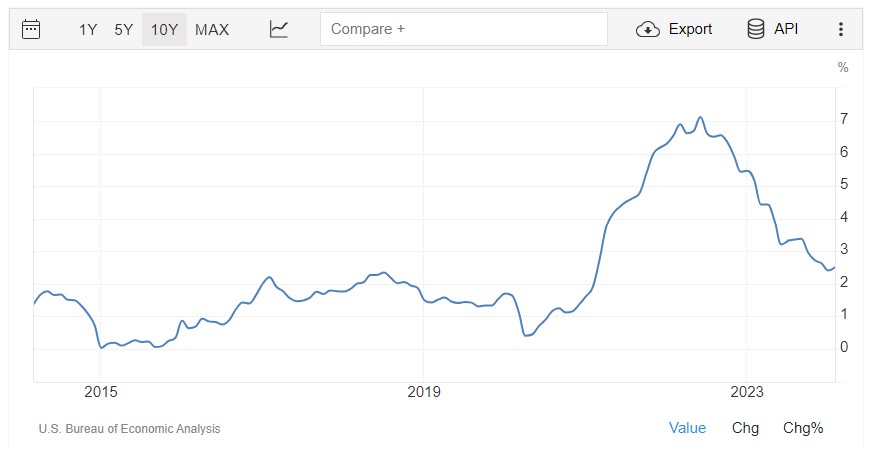
Getting straight to the point, the Personal Consumption Expenditures (PCE) index didn’t show significant changes. Year-over-year inflation increased from 2.4% to 2.5%, as we had anticipated, with energy costs rising by 2.4% in February, serving as the main driver.
The core rate, which excludes food and energy, rose by 0.3%, in line with expectations.
However, the overall index decreased from 2.9% to 2.8%.
Inflation seems to have stalled, leaving us in somewhat of a limbo situation at the moment.
The graph below illustrates the progress made in reducing inflation
-
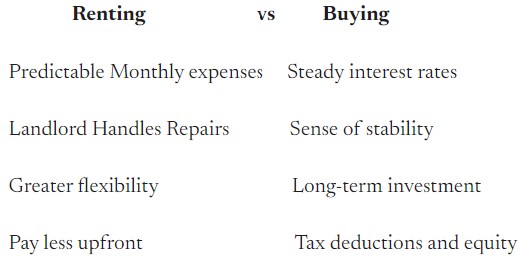
Are You a Renter? If so you are already paying a Mortgage, just someone else’s.
Pending Home Sales, which measures signed contracts on existing homes, rose 1.6%. Apartment List Rental Report, showing new rents rose 0.6%, down from 0.8% year over year.
Q4 GDP Reading, showed the US grew at a 3.4% annualized pace. increase from 3.2%. Quarterly PCE Core remained at 2%, lower than estimates. Q4 was strong but typical for the Seasonal spending.
Initial Jobless Claims fell 2,000 to 210,000, which is lower than expected. Continuing Claims rose 24,000 to 1.819M. What this means is Employers are less likely to kick you to the curb, but also means it’s harder to find a job.
-
Don’t step over a Dollar to pick up a Dime.
It feels as though we’re collectively holding our breath, waiting for the next piece of economic or inflation news to determine our next moves. In the meantime, we often find ourselves prioritizing small immediate gains over larger, more significant opportunities.
This year might be one where rates don’t drop as much as we’d hoped. Home values continue to rise, and the economy keeps chugging forward, regardless of our expectations.
We find ourselves milling around, focused on picking up that dime, when in reality, we’re stepping over all the dollars.
If you’re considering selling your home and relocating to a better or different location, there may not be a better time to do so.
However, if you’re waiting to buy a home until rates drop just a little bit more, you risk missing out on appreciation gains and finding the right home.
What are your priorities? Be the dollar, not the Dime.
Personal Consumption Expenditures (PCE) are projected to come in at or slightly below current levels 2.849%. This is the Fed’s favorite measure of inflation. The numbers come out Friday morning.

-
Before Enlightenment, chop wood, carry water. After Enlightenment, chop wood, carry water.
The NAR Settlement agreement has been a topic of conversation this past week and weekend. I had the great opportunity to speak with many real estate agents at their open houses.
My gut feeling is that this too shall pass. Rules change whether we like it or not, and the best we can do is learn, adapt, and continue forward.
The Case-Shiller Home Price Index, considered the “Gold Standard” for appreciation, shows home prices fell by 0.1% in January, but we are now up 6% year over year, compared to 5.6% previously.
The FHFA House Price Index, which excludes cash buyers and jumbo loans, reported similar numbers, with a year-over-year increase of 6.3%.
Durable Goods Orders rose by 1.4%, slightly higher than the anticipated 1.1%. Overall, when transportation is excluded, orders rose by 0.5%. There were interesting revisions to January’s numbers, which were revised lower from 0.1% to -0.4%. This number is used for GDP calculations and could influence the Federal Reserve’s rate cut decisions.
Below is a short Video on the NAR Settlement as it relates to Lenders.
-
When the Fed’s Speak We Listen
Chicago Fed President Austan Goolsbee, whom we’ve discussed before, stated this morning that he was in favor of three rate cuts this year. He emphasized:
“The Fed needs to strike a balance between its dual mandate of employment and inflation.”
Atlanta Fed President and voting member Raphael Bostic had a slightly different tune, advocating for one rate cut this year. He mentioned:
“I expect little or no change in the current 3.9% unemployment rate.”
Translation: If the unemployment rate increases, he may support more rate cuts.
New home sales remain stable at a 662,000 annualized pace, which is positive news, with sales up 5.9% year over year.
Here’s an interesting observation regarding the median new home price, reported at $400,500, down 3.5% from January and 7.6% from last year. While the initial reaction may suggest a downturn, it’s primarily a statistical adjustment due to the sale of lower-priced homes. Additionally, only 24% of builders reduced home prices, down from 36% in December, according to the NAHB.
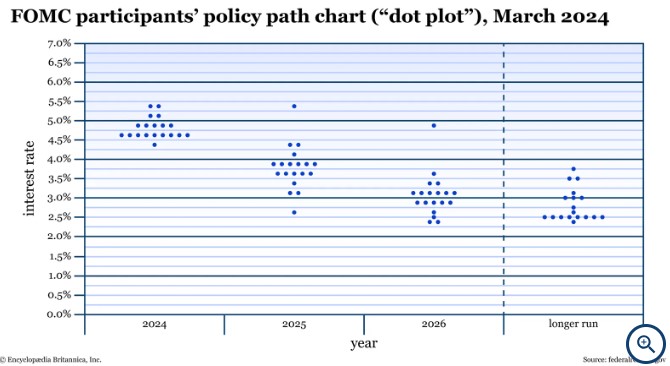
My perspective on all of this is that the data is available; we just need a bit more time to validate it. Below Fed Dot Plot. Voting members forward indication of future Fed Rates.
-
Switzerland first major Central bank to cut rates. Good sign?
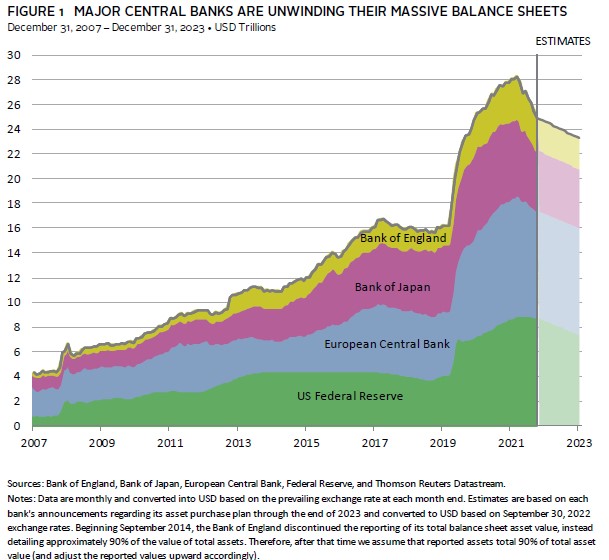
We’ve previously discussed Quantitative Easing (QE) and Quantitative Tightening (QT), but let’s recap. QE and QT are monetary policies that either increase or decrease the central bank’s balance sheet. QE expands the balance sheet, whereas QT contracts it to curb inflation by raising interest rates.
The Federal Reserve has indicated the necessity to slow QT and shift towards a QE stance, thereby expanding their balance sheet and subsequently cutting rates.
Another persistent inflationary factor in the CPI is shelter costs. It’s important to note that while CPI examines around 80,000 data points for rents, Truflation measures over 10 million data points. Truflation indicates a 2.07% increase in rents, as opposed to the CPI’s reported 5.7%. We’re aware that there’s a lag in this data, and this should be reflected in upcoming CPI reports.
Overall, I foresee a trend towards lower Federal Reserve rates, inflation nearing 2.0%, QE on the horizon, and with the NAR Settlement, potentially increased inventory.
Exciting developments ahead.
-
Subscribe
Subscribed
Have a WordPress.com account? Log in now.

