-
Inflation Dropping, slowly but in the Right Rate-Friendly direction
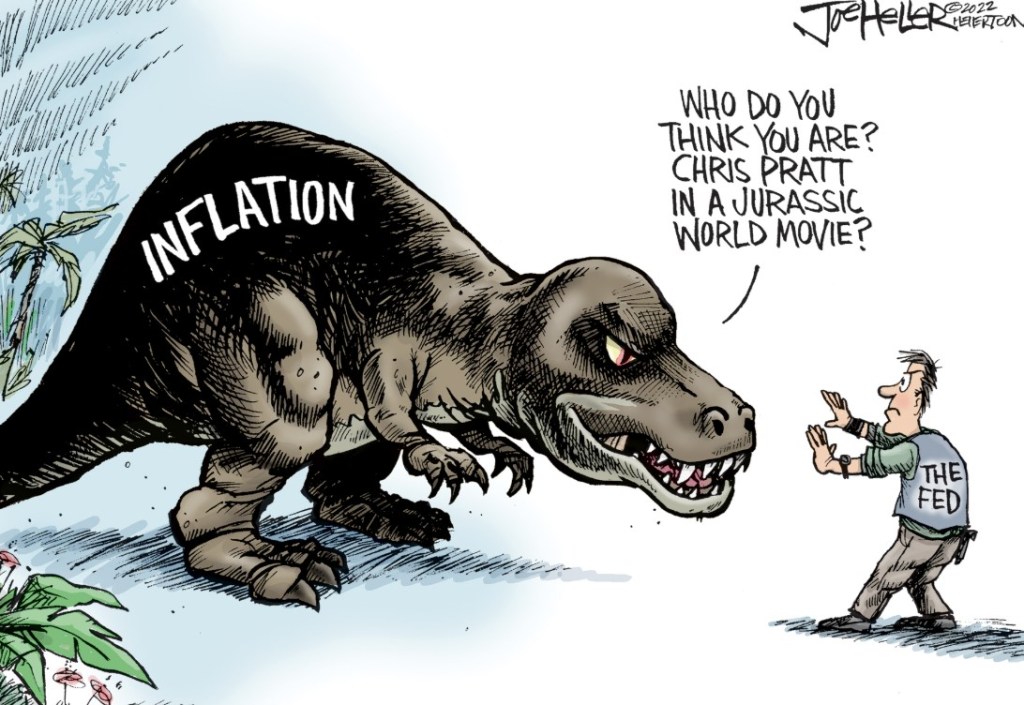
We have some important inflation readings coming this week that could provide additional relief for mortgage rates.
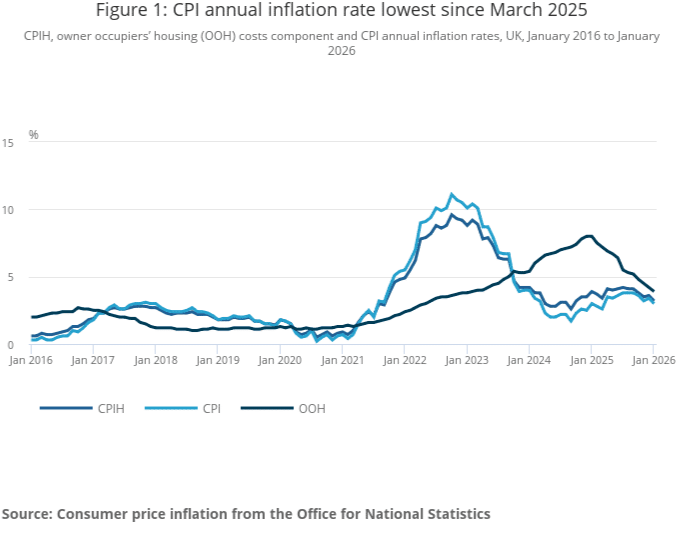
The Consumer Price Index (CPI) report is due Wednesday, and expectations are for headline inflation to ease from 3.5% to 3.4%. The core reading, which excludes the more volatile food and energy categories, is expected to decline from 2.6% to 2.5%.
While those may look like small moves, the direction matters. Combined with the disappointing July employment report and the downward revisions to May and June payrolls, we are starting to see a clearer picture of an economy that is cooling.
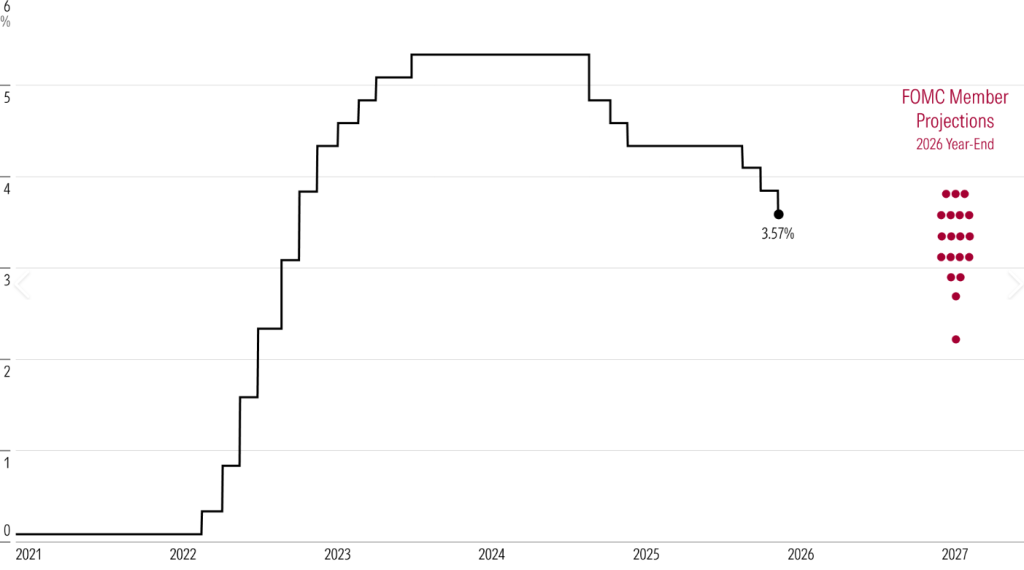
This is exactly the combination the Federal Reserve needs to see: inflation continuing to move lower while the labor market loses momentum. If that trend continues, it should give the Fed more room to move toward lowering the Federal Funds Rate.
Of course, the Fed doesn’t directly set mortgage rates, but lower inflation and expectations for future Fed rate cuts can help support the bond market, which is a major driver of mortgage rates.
There is also some encouraging news on the housing front. The Cotality Home Price Index continues to show that home values are holding up relatively well despite higher mortgage rates. That resilience is important for homeowners and buyers who have been waiting for a better opportunity.
So, what does this mean for you?
If you’ve been thinking about buying or refinancing, now is a good time to get prepared. You don’t have to wait for rates to hit the perfect number. Getting pre-qualified now allows you to understand your options, know your purchasing power, and be ready to move when the market gives you the opportunity.
Time to get pre-qualified and ready to buy or refinance your home. http://www.YourApplicationOnline.com
-
More Fuel for lower Fed Rates. Just need to make sure they unplug their ears.

The Bureau of Labor Statistics (BLS) released its July Jobs Report this morning, and it came in much weaker than expected. The economy lost 23,000 jobs, compared to expectations for an 80,000-job gain. In addition, payrolls for May and June were revised lower by a combined 103,000 jobs, reinforcing the view that the labor market has been slowing for several months.
In my opinion, this is exactly the type of data the Federal Reserve needs to acknowledge. The labor market is no longer showing the same level of strength it did a year ago.
The Fed’s dual mandate is to promote maximum employment and price stability. As inflation has moderated and the labor market has softened, the argument for maintaining, or even raising the federal funds rate becomes less compelling.
We also saw just how sensitive the bond market is to geopolitical headlines.
Mortgage rates had been improving over the past week, helped by renewed optimism surrounding a potential ceasefire agreement with Iran. Then, yesterday, reports surfaced that Iran and Oman were discussing changes to transit through the Strait of Hormuz, including the possibility of restricting U.S. and Israeli passage. Whether such restrictions could actually be implemented is highly uncertain, but the headline alone was enough to unsettle investors and temporarily push bond yields higher.
For borrowers waiting on the sidelines, today’s jobs report is encouraging. It doesn’t guarantee lower mortgage rates tomorrow, but it does strengthen the longer-term case that rates have room to move lower as the economy continues to cool.
Let’s get you pre-qualified http://www.YourApplicationOnline.com
-
Labor Labor Labor, Market is Frozen and the Data does not lie

As I mentioned earlier this week, a few Federal Reserve members stated that the labor market remains robust and even voted in favor of raising the Fed funds rate. Looking at the recent data, I struggle to see the same level of strength.
Tomorrow’s Bureau of Labor Statistics (BLS) jobs report will be a key market-moving event and could play an important role in shaping the Fed’s thinking on whether to hike, hold, or eventually lower the Fed funds rate.
Recent employment data has pointed toward a labor market that is slowing rather than accelerating:
- ADP reported only 44,000 jobs added in July.
- Revelio Labs estimated approximately 79,000 new jobs, with 28,000 of those in healthcare, suggesting job growth may be concentrated in a limited number of sectors.
- ZipRecruiter, one of the nation’s largest job platforms, noted in its recent earnings report that while the first quarter was relatively stable, hiring activity softened noticeably in the second quarter.
Interesting trends beneath the surface. Hiring rates and quit rates have fallen to levels not seen in many years. That aligns with what job platforms are reporting: fewer openings and a more cautious hiring environment.
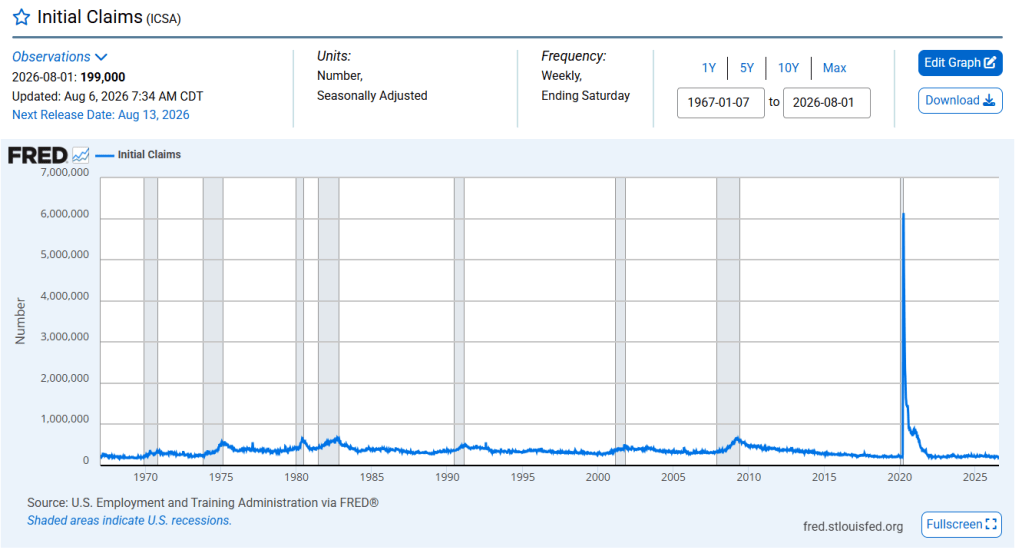
At first glance, lower jobless claims and fewer layoffs may suggest a healthy labor market, but it is important to dig deeper. Employers appear to be holding onto existing workers after years of labor shortages, resulting in fewer new job openings. At the same time, workers may be less willing to leave their current jobs because finding a new opportunity has become more difficult.
In other words, the labor market may not be strong…it may simply be frozen.
That is why tomorrow’s BLS report is so important. It will help answer a key question: Is the labor market truly resilient, or is it gradually losing momentum beneath the surface? The answer could have a significant impact on bond markets, mortgage rates, and the Federal Reserve’s next move.
http://www.YourApplicationOnline.com
-
ADP to the Fed: The Job Market Is Weak. It’s Time to Stop Talking About Rate Hikes.

At the last Federal Reserve meeting, three Fed members, including Lori Logan, voted in favor of raising rates, citing a labor market they believed was solid and continuing to strengthen.
Really?
From where I sit, the data tells a different story. The labor market has been gradually losing momentum, and today’s ADP employment report is yet another piece of evidence pointing in that direction. Hiring has slowed, businesses are becoming more cautious, and the cracks are becoming more visible with each new report.
I struggle to understand the case for higher rates in this environment. Raising the federal funds rate increases borrowing costs across the economy, making it more expensive to finance a home, a vehicle, or a business. While the Fed’s mandate is to promote price stability and maximum employment—not to set mortgage rates directly—higher policy rates can add financial pressure for consumers and businesses when economic growth is already slowing.
In my opinion, the conversation should be shifting away from additional rate hikes and toward when the Fed can begin providing some relief. Inflation has made meaningful progress from its peak, and the labor market no longer appears to be as resilient as it was a year ago. If upcoming employment and inflation data continue to soften, I believe the argument for keeping rates elevated becomes increasingly difficult to justify.
For millions of Americans, lower borrowing costs wouldn’t just help the housing market—they would ease pressure on household budgets, improve affordability, and support broader economic growth. That’s a conversation worth having.
http://www.YourApplicationOnline.com
-
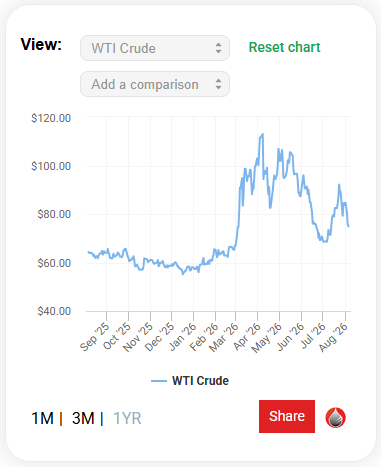
The Straight, its all about the Straight. Rates improve, might be headed to pre war levels.

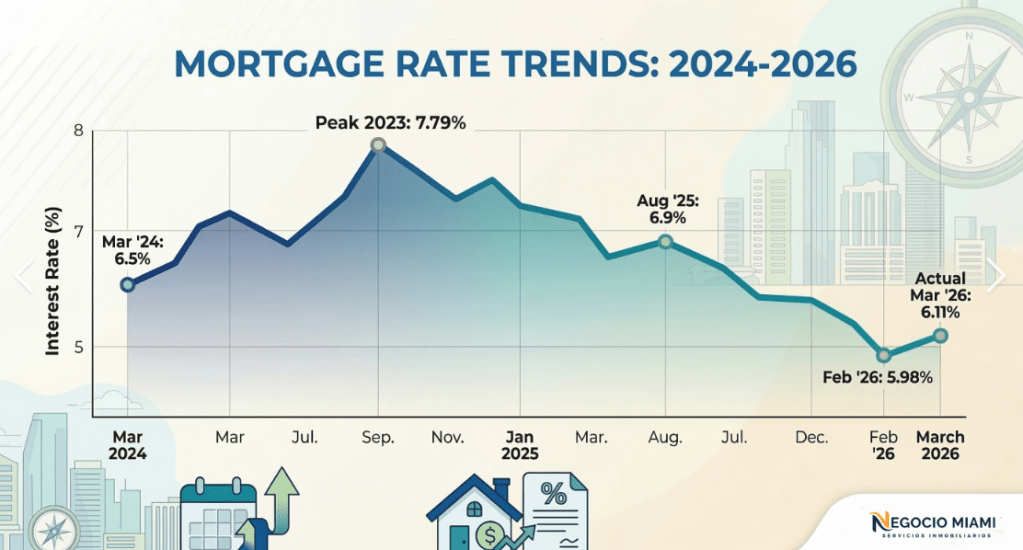
Let’s remember what the market looked like before the Iran conflict began. Mortgage rates had finally moved below the 6% for the first time in many years.
After years of borrowers sitting on the sidelines with rates in the high 6s, 7s, and even 8% range, we were starting to see a meaningful wave of refinance opportunities. Many homeowners were positioned to lower their monthly payments by hundreds and in some cases thousands of dollars.
Then, from Friday into Monday at the end of February, when the first bombings took place, the market reacted quickly and decisively. Investors did not like the uncertainty, and the bond market responded almost immediately. Mortgage rates moved higher as markets priced in additional risk.
Since then, it has felt like a roller coaster one day bringing renewed optimism and the next day putting deals back on hold. The constant swings have created frustration for borrowers, real estate professionals, and lenders alike. The whiplash has made many of us wonder when we can finally get off this ride.
The good news is, we may be approaching that opportunity. Here is my opinion on why (it’s a long read my apologies):
First, markets do not like uncertainty. The Iran conflict created a significant risk premium as investors reacted to concerns around oil prices, inflation, global stability, and economic disruption. Historically, once geopolitical events move from an unknown outcome toward a resolution or a clearer path forward, markets often begin to reverse those initial reactions. A reduction in uncertainty could provide relief to the bond market, which is one of the biggest drivers of mortgage rates.
Second, inflation remains the key piece of the puzzle. The Federal Reserve has been clear that sustainable progress on inflation is what will determine the pace of future rate cuts. If energy prices stabilize, supply chain concerns ease, and inflation continues moving lower, the market will likely begin pricing in additional Fed easing. Lower inflation expectations generally create a more favorable environment for mortgage-backed securities and mortgage rates.
Third, the political environment may become an important factor as we move toward the midterm elections. Regardless of political affiliation, voters continue to express frustration around the cost of living, housing affordability, and higher interest rates. Rising mortgage rates, elevated insurance costs, and overall affordability challenges are issues that directly impact households. Historically, when affordability becomes a major concern for voters, policymakers tend to place more focus on economic stability and measures that support growth.
The reality is that the economy is sending mixed signals. Employment has shown signs of slowing, consumers are feeling pressure from higher costs, and housing affordability remains one of the biggest challenges facing Americans. Those conditions may create more pressure for policymakers to support a lower-rate environment if inflation continues to cooperate.
Time to get pre-qualified http://www.YourApplicationOnline.com
-
Bonds- Inverse relationship: Yields Up, Bond prices down(lower rates).
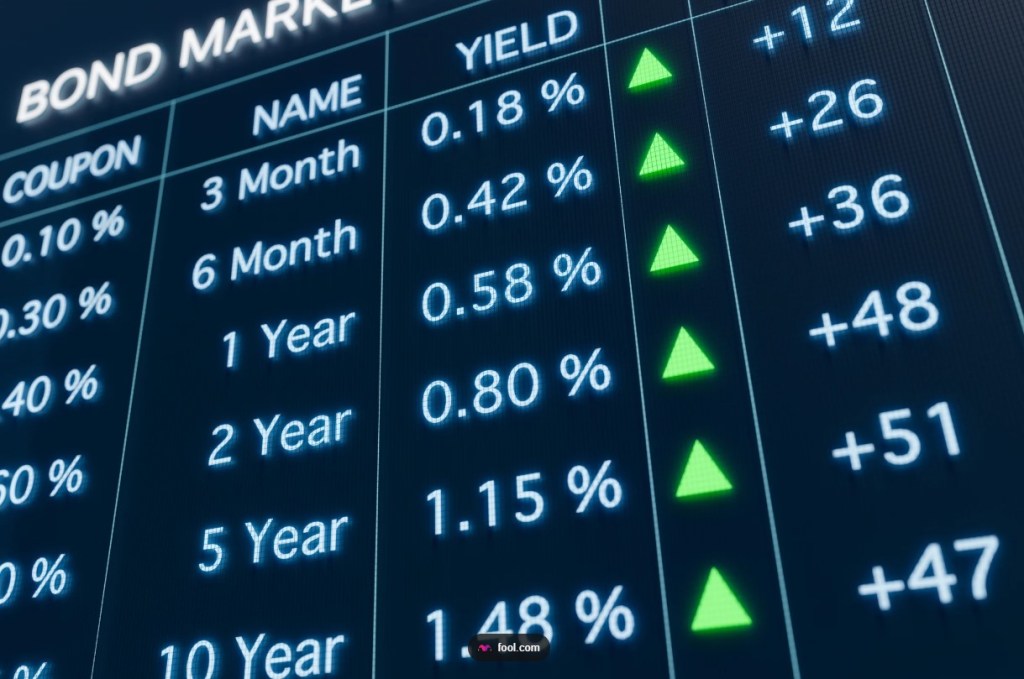
Let’s make the bond market a little less confusing…Our industry has a language all its own, and sometimes you have to stop and translate what everyone is actually talking about.
Here’s the easy version.
When investors buy bonds, they’re really buying a promise to receive interest over time.
- Bond Price = What investors are willing to pay for the bond.
- Bond Yield = The return (interest rate) the investor earns.
Now here’s the part that seems backward:
When bond prices go UP, yields go DOWN.
When bond prices go DOWN, yields go UP.
Think of it like buying a rental property. If you pay more for the same rent, your return is lower. If you buy it at a bargain price, your return is higher. Bonds work much the same way.
Why do we care?
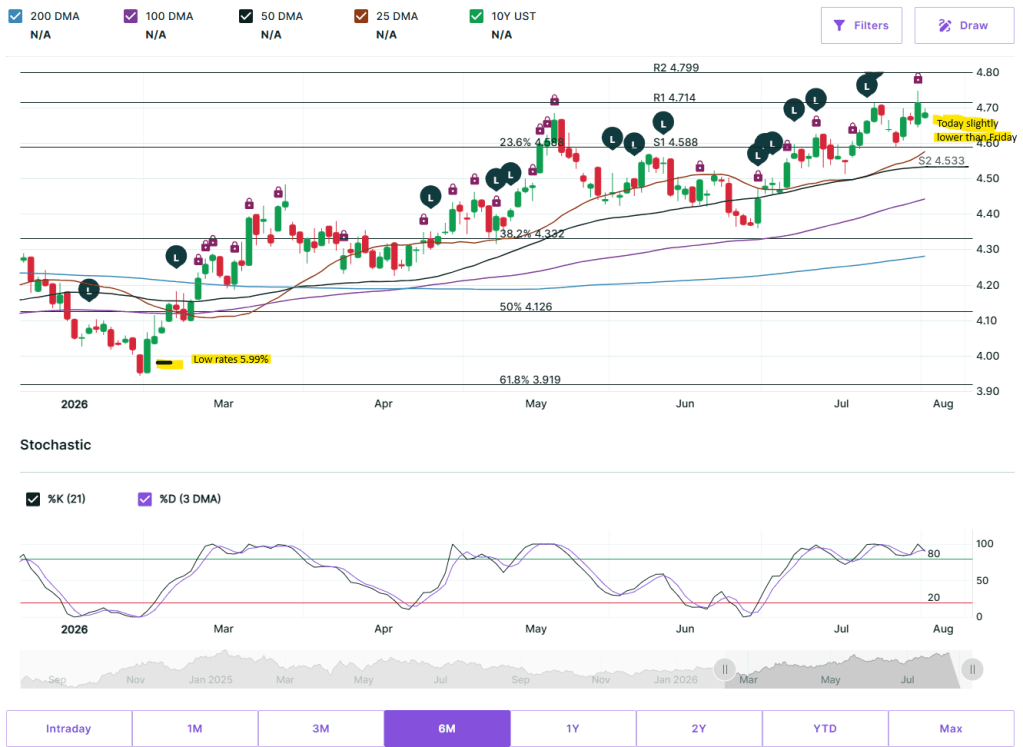
Because mortgage rates closely follow bond yields, not bond prices. So when investors pile into bonds and prices rise, yields fall, and mortgage rates often improve. When investors sell bonds, prices fall, yields rise, and mortgage rates usually move higher.
If all else fails, just remember this:
Higher bond prices = Lower mortgage rates.
Lower bond prices = Higher mortgage rates.
Now for the good news…
Oil has slipped back below $80 per barrel, and tensions surrounding the U.S./Iran conflict appear to be easing. Both are positive developments because lower energy prices can help reduce inflationary pressure, which is generally supportive of lower bond yields and, ultimately, lower mortgage rates.
We’re not out of the woods yet, but the trend is moving in the right direction.
Let’s get you pre-qualified http://www.YourApplicationOnline.com
-
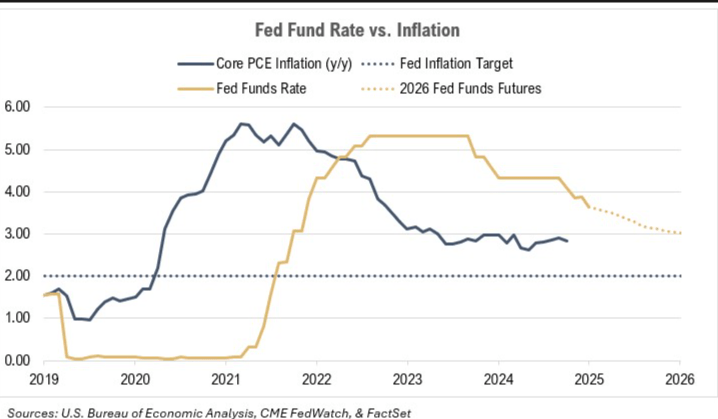
How will the Feds help Inflation by hiking rates? it won’t, seriously.

I know I’ve said this before, but it’s worth repeating because it’s fundamental to understanding where mortgage rates are headed.
The Federal Reserve’s primary tool for fighting inflation is the Federal Funds Rate. By raising this rate, the Fed makes borrowing more expensive throughout the economy. It affects businesses looking to borrow money to expand, invest in new equipment, or hire employees. It also impacts consumers through higher borrowing costs on products like credit cards, auto loans, and home equity lines of credit.
The goal is simple: when borrowing becomes more expensive, consumers and businesses tend to spend less. That slower demand helps reduce inflationary pressure and eventually brings price growth back under control.
Here’s the challenge with today’s economy.
The Federal Reserve’s primary tool is raising or lowering short-term interest rates. That works well when inflation is being driven by an overheating economy, too much consumer demand chasing too few goods and services.
But that’s not what we’re seeing today.
Higher interest rates won’t produce more oil. They won’t lower gasoline prices caused by geopolitical tensions. They won’t grow more food, reopen supply chains, or reduce the cost of insurance. Those are supply-side issues that monetary policy has very little control over.
In fact, many parts of the economy are already slowing. Housing activity has softened, business investment has become more cautious, and consumers are feeling the effects of higher borrowing costs. These are signs of an economy that is responding to restrictive monetary policy, not one that’s overheating.
The concern is that if the Fed keeps rates too high for too long while inflation is increasingly driven by supply-side factors, it risks slowing the economy more than necessary. That’s why investors are watching inflation data so closely. If inflation continues to ease without a strong economy, it may support the case for lower interest rates and a healthier housing market.
The challenge for the Fed is recognizing the difference between demand-driven inflation and supply-driven inflation. Using the same tool for both doesn’t always produce the same results.
Time to get pre-approved http://www.YourApplicationOnline.com
-
An Interesting thing Happens when you Turn Off your Transponder.
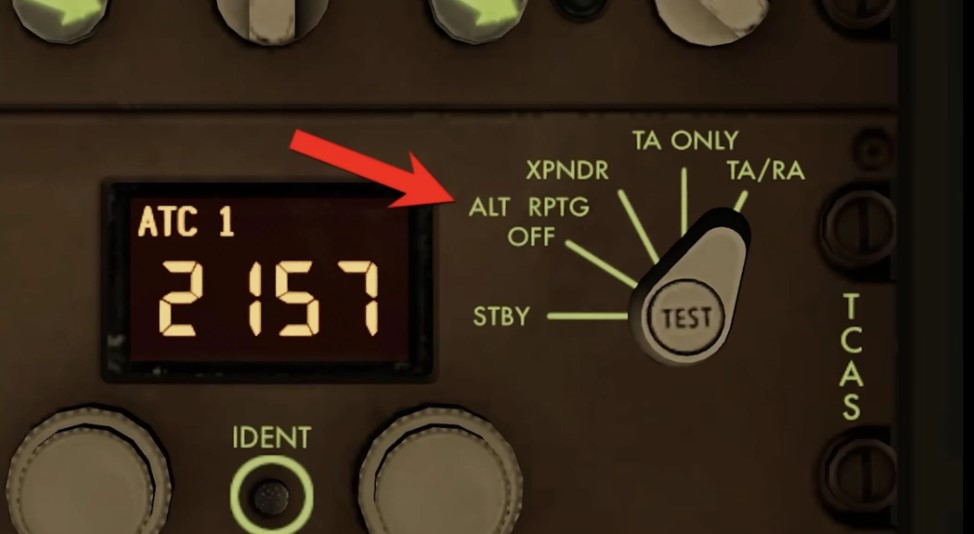
Much of the oil that once moved through the Persian Gulf before the conflict is still reaching global markets, but through different channels. Over two-thirds of pre war oil.
Some tankers are operating with their transponders turned off, making it more difficult to track shipments. In addition, approximately 7 million barrels per day are being transported via Saudi Arabia’s East-West Pipeline to ports on the Red Sea, bypassing the Strait of Hormuz.
Despite the escalation of the U.S.-Iran conflict over the weekend, oil prices have remained near $80 per barrel. While many expected a sharper spike, the market appears to believe that global supply disruptions have, so far, been limited.
For now, energy markets are watching closely. Any significant disruption to oil exports could quickly change the outlook for inflation, the bond market, and ultimately mortgage rates.
There is a famous line from Jeff Goldblum in Jurassic Park; “Life finds a way”.
Lets move forward and get you pre-approved for your next home.
http://www.YourApplicationOnline.com

-
What is “Demand Destruction and Recession”
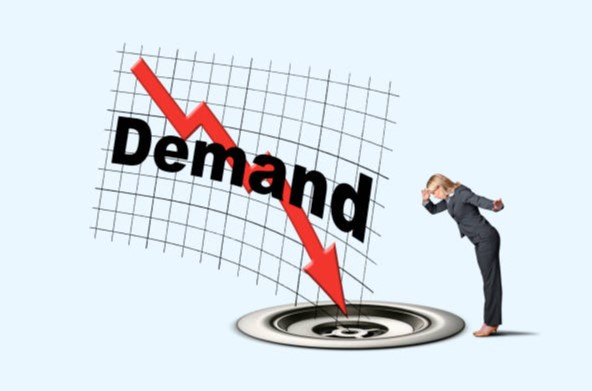
My Friday morning thoughts.
When the economy is growing quickly, consumers generally have more money to spend. If demand for goods and services is stronger than the available supply, businesses can raise prices because people are willing to pay more. That’s inflation.
To cool things down, the Federal Reserve raises interest rates. Higher rates make borrowing more expensive, not only for consumers buying homes, cars, or using credit cards, but also for businesses looking to expand, invest in research and development, or hire more employees.
As borrowing slows, spending begins to slow as well. Businesses become more cautious, hiring may soften, and consumers often delay major purchases. Retailers may eventually lower prices or offer more discounts to attract buyers, helping reduce inflationary pressure.
There’s a balancing act.
If interest rates remain too high for too long, the economy can slow more than intended. Consumer demand weakens, business investment declines, and the risk of a recession increases. “Demand Disctruction”
An even greater concern is deflation, a period when prices begin falling across the economy. While lower prices may sound appealing, persistent deflation can squeeze business profits, lead to layoffs, reduce investment, and create a cycle of even weaker demand.
The Fed is talking raising rates but not all Fed members are on board. Raising rates just accelerates a potential recession. It makes everything more expensive and add to inflation not lower it.
Time to get pre-qualified http://www.YourApplicationOnline.com
-
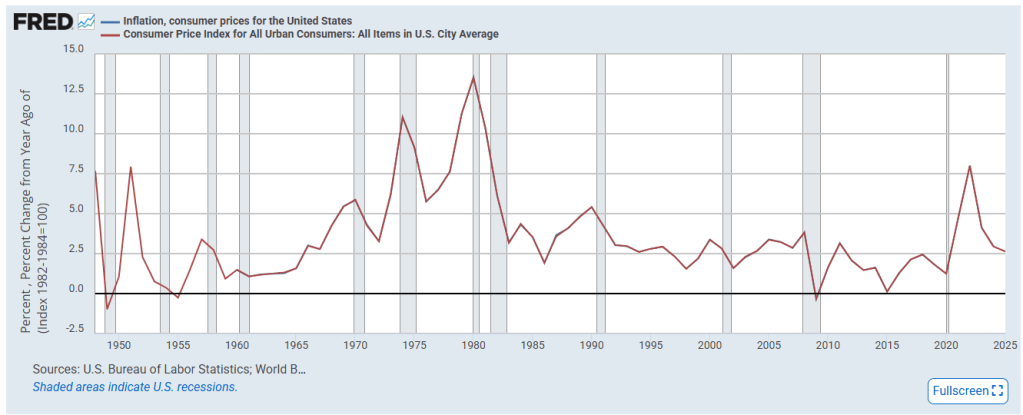
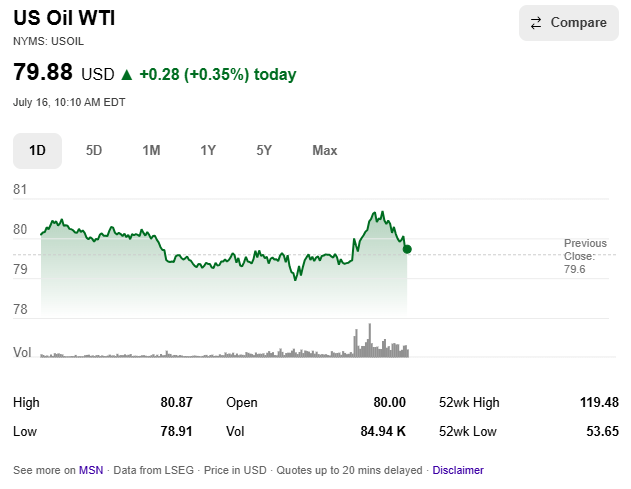
Saber Rattling is making everyone nervous. Oil up $80/barrel

Market Update
The geopolitical standoff continues, and the threat of a broader regional conflict remains serious. Iran has warned that the Strait of Hormuz is a non-negotiable red line and has stated it would target oil infrastructure throughout the region, including neighboring countries, if the U.S. were to carry out attacks on Iranian power plants or bridges.
If tensions escalate, oil prices could move higher quickly. Higher energy prices typically increase inflationary pressure, which can negatively impact the bond market and push mortgage rates higher.
On the economic front, June retail sales increased 0.2%, meeting expectations, while May’s figures were revised higher, indicating consumer spending remains resilient.
There was also encouraging news on housing inflation. The latest May rental report showed rents were up 1.3% year over year, a slower pace than the previous report and consistent with expectations that shelter inflation is continuing to moderate.
Bottom Line: Markets are balancing improving inflation data against elevated geopolitical risks.
If tensions ease, the outlook for bonds and mortgage rates could continue to improve. If the conflict widens, expect increased volatility across the financial markets.
let’s get you pre-qualified http://www.YourApplicationOnline.com
-
Subscribe
Subscribed
Have a WordPress.com account? Log in now.

