-
Here we go again. Analysis Paralysis. Goolsbee wants more Data. Soap Box Rant ahead.

Chicago Fed President and voting member says we shouldn’t overreact to yesterday’s PPI inflation numbers, better to “wait for more data” to see a trend.
Sound familiar? It should. Powell’s been singing that same “wait for the data” tune for four years now. At some point, this isn’t patience, it’s Analysis Paralysis. And the enemy isn’t the inflation trend, it’s the endless waiting.
Same chorus from St. Louis Fed’s Musalem, Richmond Fed’s Barken, and the rest of the Fed echo chamber, don’t overreact, just “wait for more data.”
The clock is ticking on the Fed’s Achilles’ heel: stagflation, persistent high inflation with slowing employment. It’s the no-win scenario they hope you don’t talk about, because there’s no playbook that ends well.
More homes on the market but with rates still elevated, they are not moving as quickly as we thought.
Sorry for the Friday rant. Have a fantastic rest of your day and weekend.
-
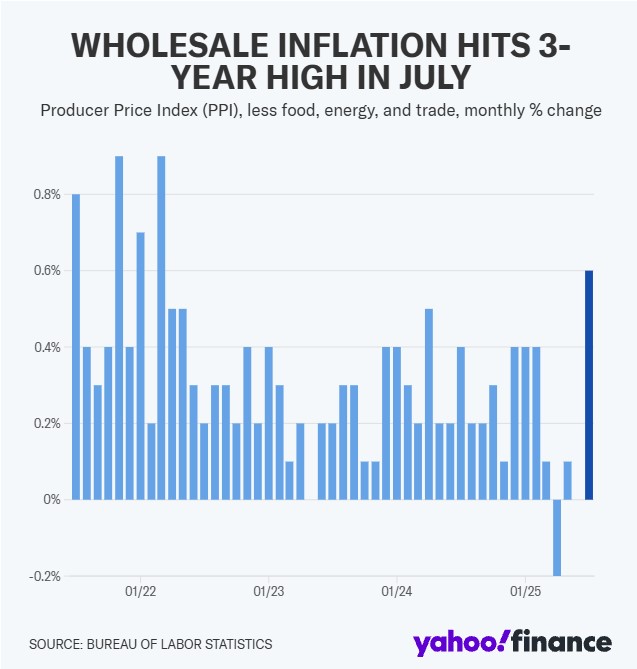
Producer Inflation Jumps 0.9% — Big Number, No Surprise seriously.

CNBC and FOX Business are buzzing about a “whopping” PPI jump but let’s unpack where that number actually came from, and why it’s showing up here before it hits the Consumer Price Index.
The last four months have been very tame for PPI and CPI even in the flood of Tariff and Tariff threats. But why? Well the ships from other countries take weeks to travel, those are not subject to new Tariffs as well as the influx of orders back in March and April to counter Tariffs.
The chickens have come home to roost — tariffs are making their way through the system exactly as expected. The Producer Price Index (PPI) measures costs at the production level, not for consumers. As these higher producer costs filter through, we can expect CPI inflation to rise in the next month or two.
How does this affect rates?
We lost some ground on interest rates today but not too much. The stock market also responded but all in all a bit muted.
Lets get you pre-qualified http://www.YourApplicationOnline.com
-
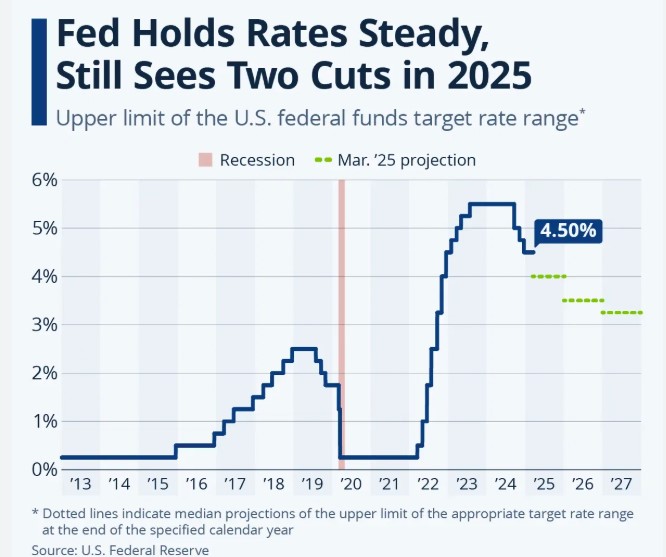
Rumors Swirl: Could the Fed Deliver a 50bp Cut in September, With More to Follow?

Treasury Secretary Scott Bessent suggested yesterday that the Fed should consider a 50bp “catch-up” cut, a move that would be welcome news for interest rates.
Currently, there are 11 candidates in the running for Fed Chair, with Fed Governor Chris Waller leading the pack. Waller is notably bullish on rate cuts, and we’re optimistic about what that could mean for the market.
I hopped off a webinar yesterday about the new Trigger Lead bill that just passed, set to take effect in six months. This is a big win for consumers, finally putting a stop to the barrage of unwanted calls after applying for a loan.
But what really caught my attention was the shift in energy in our industry. With rates dropping and the possibility of even deeper cuts ahead this year, there’s a new momentum building, and it’s exciting to watch.
If you haven’t already, now’s the perfect time to get financially tuned up and ready, whether you’re buying, selling, or refinancing. The shift is coming, and we want to make sure you’re ahead of the game.
http://www.YourApplicationOnline.com
-
Inflation Meets Expectations, Bonds Shrug, Oil Slips
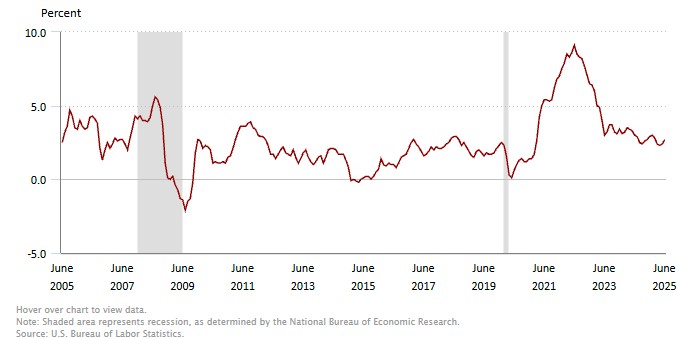
The Consumer Price Index (CPI) showed overall inflation rose 0.2% in July, while the year-over-year rate held steady at 2.7%. Both came in right on target with expectations, giving the Fed more reason to consider cutting rates in the near future.
Home Price Index showing a slight increase in value of 0.06%. Less appreciation but is regionally impacted.
Rates holding their ground. We expected a more rate positive response to the inflation numbers.
Big changes are coming to the “trigger lead” practice that’s been plaguing borrowers—from auto loans to mortgage applications. A trigger lead happens when the three credit bureaus sell a borrower’s basic data to the open market, leading to a flood of unwanted calls and texts.
A new bill slated to pass will prohibit this practice. A huge win for everyone.
http://www.YourApplicationOnline.com lets get you pre-qualified
-
Fed Gov Bowman wants THREE rate cuts this year. Finally

Her point: with employment growth averaging just 35,000 over the past three months and unemployment at 4.3%, there’s already more than enough reason to start cutting rates now.
It’s like a rock rolling down a hill, much easier to stop early than to wait until it’s gained momentum and rolls right over you.
We expect inflation to rise, but not for the reason you might think.
Remember, inflation is measured against the previous 12 months. This month’s reading will likely be a modest 0.16%–0.20%, replacing an already low 0.19% from last year.
It’s a busy reporting week ahead. CPI as mentioned above, PPI, initial Jobless Claims, Retail Sales and more.
We’re continuing to float our clients as current technical indicators show no signs of imminent risk.
Shout out to the open house agents working hard this Sunday, always great to hear your perspective from the field.
Apply now http://www.MortgageNews.Blog soft credit pull.
12-month percentage change, Consumer Price Index.
-
Sub-6% Rates Are Coming. Let Me Show You How

The spread between the 30-year fixed mortgage rate and the 10-year Treasury yield has narrowed to 2.36%, and that matters.
When mortgage rates were in the 7’s, investors were worried about clients refinancing out of their high rates, so investors demanded a large spread to compensate for the risk.
Now, as rates begin to come down and those fears ease, the spread is shrinking, a sign that the market sees less risk of early refis.
Banks are getting a deregulation boost, and Fed rate cuts are looming.
If the 10-year Treasury yield drops to 3.90% (currently at 4.288%) and the spread narrows to 2.25% (currently 2.36%), we could see mortgage rates fall to 6.125%.
And this is just the beginning.
As the Fed continues to cut and the spread keeps tightening, rates will drop well below 6% by years end.
Online Application http://www.YourApplicationOnline.com

-
More Global Rate Cuts: The Writing’s Not Just on the Wall — It’s in Bold Ink
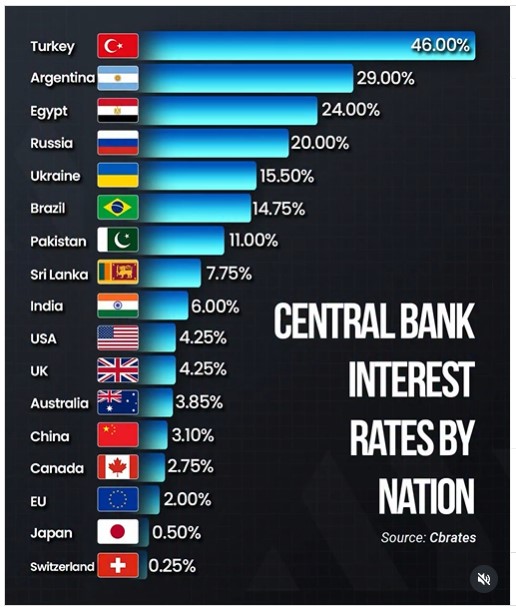
The Bank of England just announced a 25 bps rate cut, bringing the benchmark rate to 4.00%.
Notably, one dissenter pushed for a more aggressive 50 bps cut, signaling growing concern about economic momentum.As for the image above, it’s interesting, but it doesn’t accurately reflect global GDP contributions, where the U.S. and other Countries still accounts for the lion’s share.
Jobless Claims rose 7,000 to a still low 226,000. Continuing claims are still elevated and hit the highest levels since 2021. Rose 38,000 to 1.974M.
My take: we know the economy is slowing, other countries have lower and far lower Central Bank Rates. The pressure for not just September but more cuts through the end of the year which should drive interest rates down.
Lets get you pre-approved and ready to move on your new house.
-
The Wait Is Over: It Might Be Time to Make Your Move

Neel Kashkari, President of the Minneapolis Fed, says the labor market and broader economy are “pointing to a slowdown.”
I’d take it a step further, we’re not heading toward a slowdown, we’re already in it, based on what we’re seeing in the real employment data.
Here’s one clear sign: I’m converting half my clients with 7%+ rates into 20-year mortgages with nearly the same payment as their current 30-year loans.
That’s a huge win, shaving 10 years off without a major payment jump.It’s time to get your house in order — seriously.
Let our team run a quick soft credit pull and get you fully approved for your next home.
Already own a home? We have bridge loan options that can help you buy before you sell. With a full loan approval in hand, you’ll have the confidence to list your current home and move forward with peace of mind.
Website http://www.YourApplicationOnline.com
-
The Jobs Data You Trust? It’s Just a Survey And the Revisions Are Late Homework

I’ve been sounding the alarm for years about the inaccuracy of the BLS jobs report compared to actual ADP data.
Two months ago, the red flags were clear: ADP reported 33,000 job losses, while BLS claimed 144,000 new jobs. Something didn’t add up.
What’s frustrating is that Fed policy leans heavily on the BLS report, even though it’s deeply flawed—not politically, but structurally.
The BLS relies on surveys sent to businesses without a firm deadline, and revisions happen because companies submit their data late, like turning in homework past due.
OPEC+ plans to increase output by 547,000 barrels per day starting in September — possibly bracing for a shift if India pulls back on Russian oil purchases.
Oil prices matter. They ripple through the entire economy, impacting everything from manufacturing to shipping. It’s a key piece of the inflation puzzle.
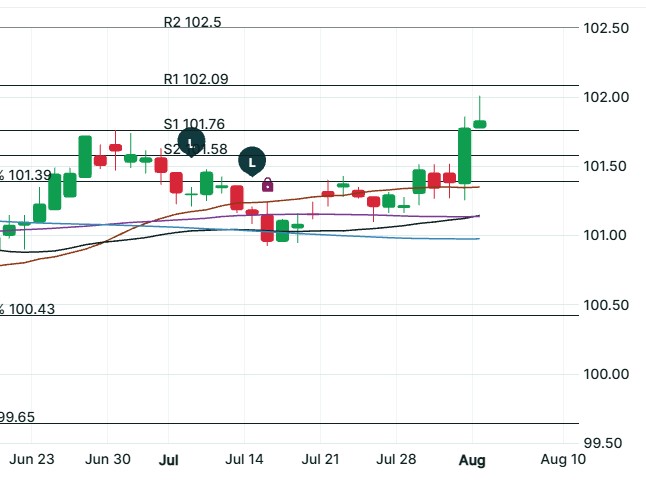
Rates moved lower Friday and again today — let’s hope this trend continues!
(Heads up: Green is good lower rates)Let’s get you pre-qualified http://www.YourApplicationOnline.com
-
Only 73,000 Jobs in July. Finally BLS report is not BS, rates rally in a good way.
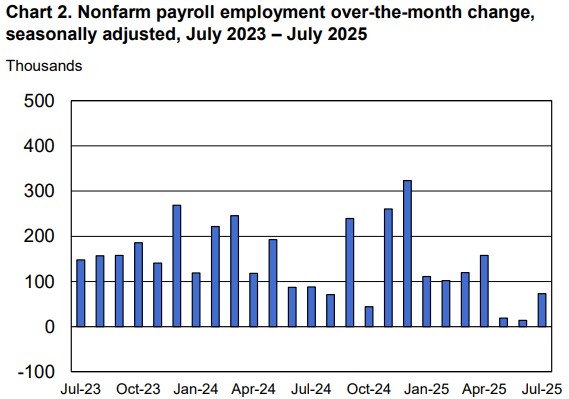
The bond market reacted just as expected to weaker-than-forecast job numbers from the Bureau of Labor Statistics.
But here’s my biggest gripe: revisions.
Remember those “blowout” job reports two months ago? Turns out they were overstated—by 258,000 jobs.This year, monthly revisions are averaging 77,000 jobs lower—more than double last year’s average. That’s a dangerous trend.
Let’s see what July looks like once it’s revised down too.
What does this mean for you?
The bond market is moving toward safety. Employment is sputtering, and the broader economy is showing signs of strain.Pre-approval http://www.YourApplicationOnline.com
-
Subscribe
Subscribed
Have a WordPress.com account? Log in now.

