-
Markets Hold Their Breath as Powell Prepares to Speak

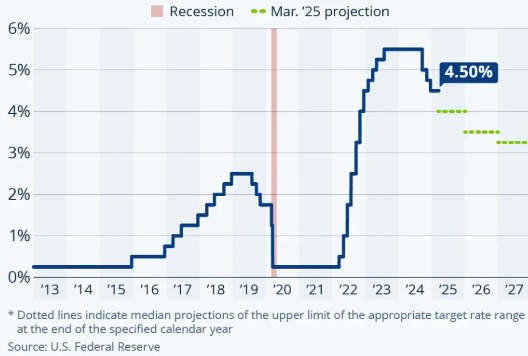
The key this afternoon isn’t just if the Fed cuts, but how. A hawkish cut, done reluctantly, with little sign of more to come, could push bonds lower and rates higher. A dovish cut, signaling openness to further easing, could lift the bond market and drive mortgage rates down.
Let’s take a quick look at what lower rates mean for real borrowers. My client purchasing a $600,000 home with 15% down was at 6.875% back in August. Today, that same loan is at 6.125%, saving about $300 per month on their mortgage payment.
So when I hear critics argue “don’t cut rates, stay the course,” I have to wonder are they thinking about the average person just trying to buy a home?
http://www.YourApplicationOnline.com
-
The Closer It Gets, the Harder to See, Fed Day Arrives Tomorrow

Time flies when you’re having fun, and tomorrow brings the long-awaited Fed announcement on rate cuts. The market has already priced in the expected 25bp cut, but the real story will be whether Powell signals the need for more cuts ahead.
There is a 75% chance of another 25pb cut in October with another 25bp cut in December.
The importers for now are absorbing the higher costs due to tariffs but the lingering fear is higher inflation down the road.
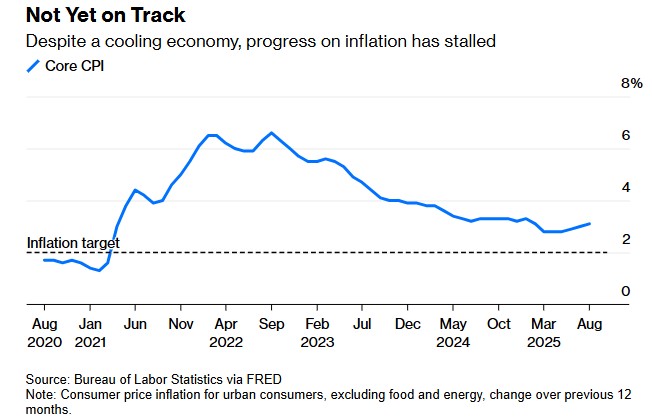
My Take: High interest rates hurt everyone. The job market has clearly cooled, yet inflation remains stubborn. Leaving the Fed rate unchanged only kicks the can further down a road we haven’t traveled in over 80 years.
Mortgage rates have been improving and should continue to trend lower for the foreseeable future, though they can always turn on a dime.
http://www.YourApplicationOnline.com
-
The Rate Cut That Already Happened ahead of the Fed, And Employment Absorption worries.

The market has already priced in the 25bp Fed cut, with the 10-year Treasury yield dropping about 30bp since Powell first hinted at a cut back on August 22.
Mortgage rates move closely with the 10-year Treasury yield because most borrowers keep their loans only 7–10 years, not the full 30. On average, mortgage rates run about 1.5%–2% higher than the 10-year. That extra gap, called the spread, reflects risk and investor demand.
In simple terms: if the 10-year yield rises, mortgage rates rise; if it falls, mortgage rates fall.
Example: A 10-year yield of 4% typically means mortgage rates around 6%.
Job Market overview:
At first glance, fewer hirings matched with fewer job seekers might look like a breakeven but that would not be correct. Without enough demand to absorb those who are laid off, the unemployment rate can climb quickly.
It’s Complicated but bottom line, mortgage rates should continue to decline.
http://www.YourApplicationOnline.com

-
Historically Dips in Rate are Transitory. Cut Wheat while its Sunny.

Over the past few years, we’ve seen rate drops come and go so quickly that it’s hard to convey just how urgent it is for refinance clients to act. The market is truly that volatile.
As the saying goes: watch the dog, not its tail, to see where it’s going. Rates are trending lower overall, but if you watch the “tail,” you can sometimes catch a dip in the movement. Just remember, like a tail, those drops swing back quickly.
My take: Inflation, while still elevated, appears to be stabilizing, and the labor market is clearly softening. These are exactly the signals the Fed watches, and strong indicators that the market is in need of rate relief.
Let’s get you pre-qualified before the mad rush later this fall.
http://www.YourApplicationOnline.com
Have a fantastic weekend and if you have an open house this weekend, let us know, our team can send you a financial open house flyer.

-
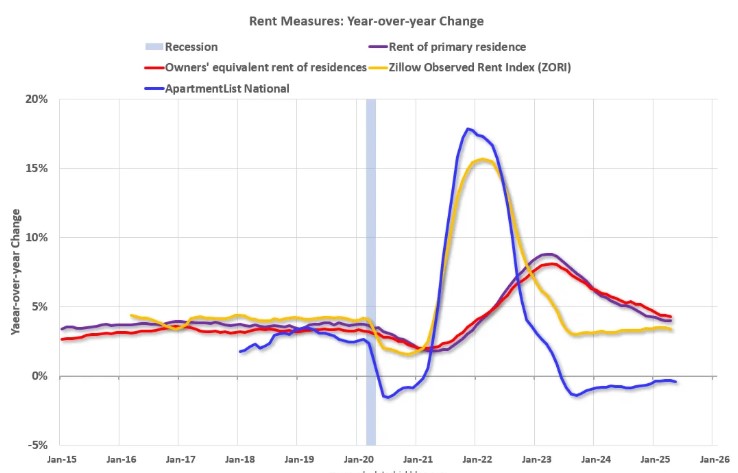
OER: The Fed’s Biggest Guesswork on Rent, and Its Outsized Impact on Inflation – CPI.

What is OER?
OER stands for Owner’s Equivalent Rent. It’s the survey-based measure the government uses to estimate housing costs. In short, homeowners are asked: “How much could you rent your home for, unfurnished and without utilities?”Yes, seriously. And here’s the kicker: OER makes up about 33% of the Consumer Price Index (CPI), meaning this one survey-driven number has an outsized influence on reported inflation. it rose 0.4% last month.
CPI report showed inflation rose 0.4% hotter than expected and brough overall inflation from 2.7% to 2.9%.
Energy prices rose 0.7%, a reminder that energy costs touch every corner of the economy, from production to transportation and everything in between.
My take: Yesterday’s 10-year Treasury auction came in strong, which helped push yields lower, and with them, mortgage rates. The trend continues: rates are drifting down. It may not feel dramatic, but the steady, consistent movement lower is exactly what we want to see.
http://www.YourApplicationOnline.com
-
PPI – Producer and Wholesale inflation cold. Yes we are surprised.
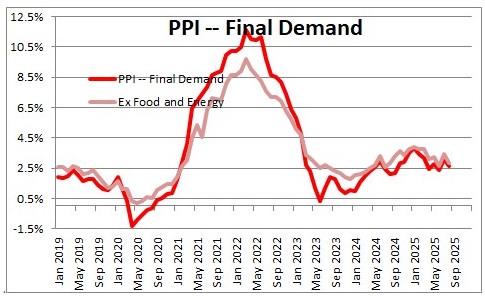
Today’s PPI report came in surprisingly soft, falling 0.1% versus expectations of a 0.3% increase. That moved annual inflation down from 3.1% to 2.6%, giving the Fed even more reason to consider rate cuts — more fuel on the fire for lower rates ahead.
We’re already seeing the impact: national average mortgage rates slipped from 6.625% to 6.5%, which sparked a surge in loan applications. A good reminder, the earlier we get your file fully approved, the better positioned you’ll be to take advantage of these moves.
Tomorrow we get the CPI report, the consumer’s read on inflation. Let’s see what happens.
My take, and I know I sound like a broken record, is this: get ready to buy, sell, or refinance. The pending and current rate drops are exactly what the doctor ordered.
http://www.YourApplicationOnline.com
-
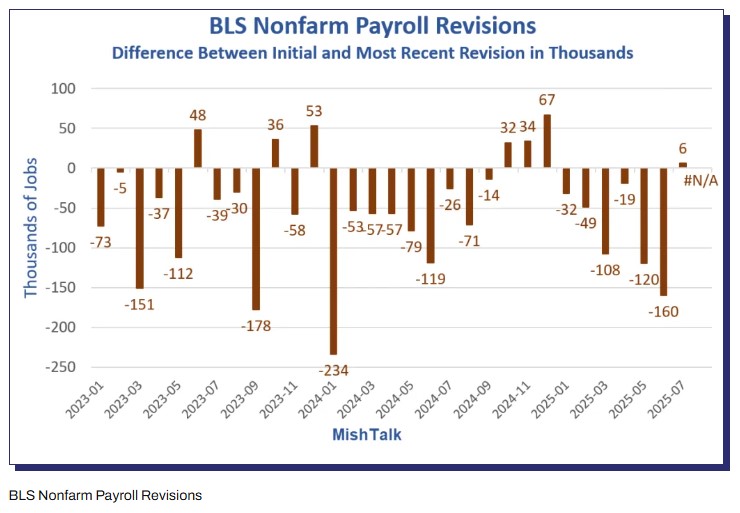
Turns out half the jobs never existed. The QCEW revision just wiped out 911,000. (Told you I wasn’t crazy!)

This is the largest revision on record. On average, that means 76,000 jobs per month, or 52% of the jobs previously reported, never actually existed.
We all knew something was off, and this confirms it. It’s yet another strong signal pushing the Fed toward more aggressive rate cuts.
For now, we’re holding onto the lower rates gained over the past two weeks, following Powell’s testimony at Jackson Hole.
Housing Index Ticks Higher
The housing index finally rose 3 points to 27 on a 100-point scale. While 50 marks the line between contraction and expansion, today’s move shows things are at least headed in the right direction.
Let’s get you pre-qualified so you’re ready when conditions improve. We start with a soft credit pull, no impact on your score.
http://www.YourApplicationOnline.com
-
10:00 AM Tomorrow – QCEW Revision to BLS: And It’s a Doozy

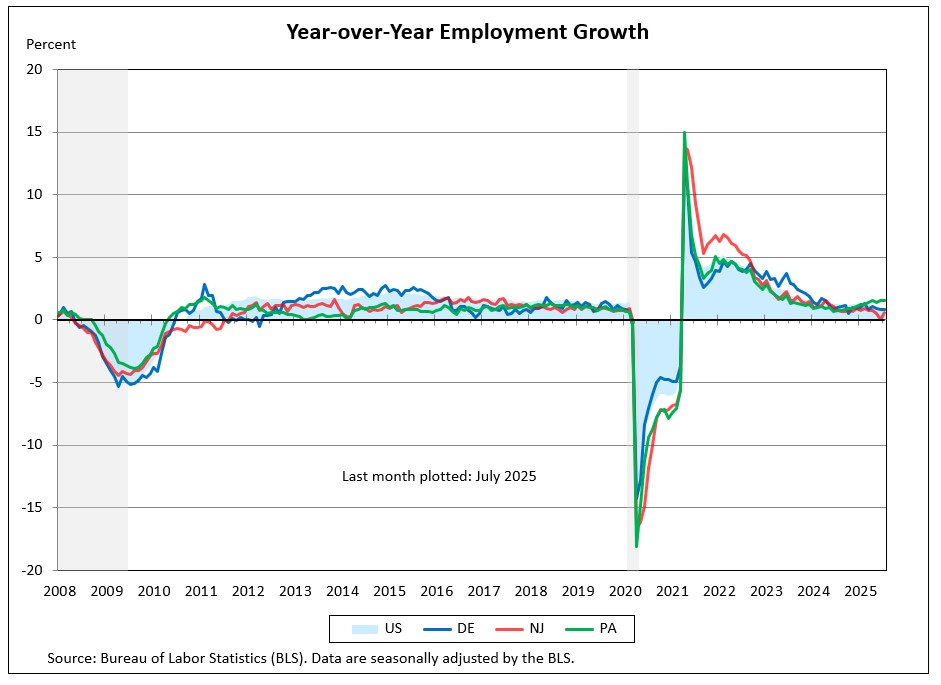
The Quarterly Census of Employment and Wages (QCEW) captures over 95% of U.S. jobs. Tomorrow’s annual revision is expected to show a significant adjustment, potentially 800,000 to 1,000,000 fewer jobs, or about 75,000 per month revised down.
The bond market will react, and the Fed is now almost assured of cutting rates through the remainder of the year, potentially as much as 125bps over the next four months. That means a continued trend toward lower mortgage rates.
If you know friends or family looking to refinance or purchase, send them our way. We’ll take care of them and even start with a soft credit pull, no impact on their score.
http://www.YourApplicationOnline.com
-
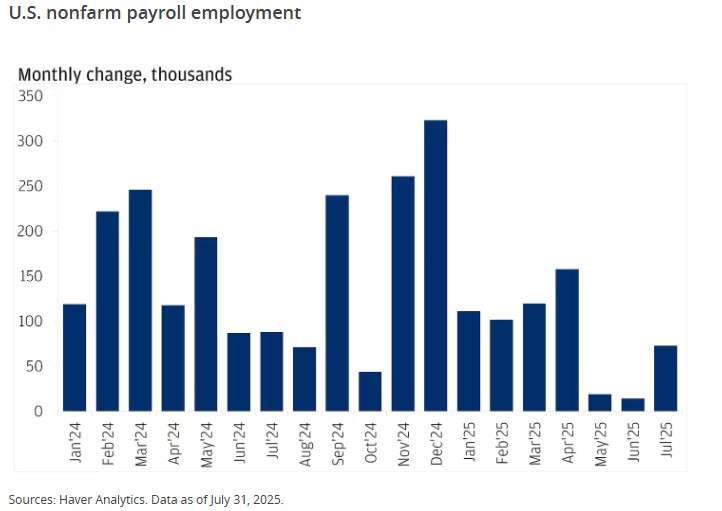
Just 22K Jobs: Weak BLS Report Sends Bonds Rallying

Even with a new head at the Bureau of Labor Statistics (BLS), the jobs report didn’t get a makeover. We still saw a weak headline number and downward revisions to prior months. Ouch.
Because as much as we’d all like a little spin… numbers don’t lie.
The unemployment rate ticked up from 4.2% to 4.3%. It may not sound like much, but in Fed-speak, that tiny move can feel like a megaphone. Weak jobs plus rising unemployment = a bond market that starts thinking “rate cuts, rate cuts, rate cuts.”
The odds are now 100% for a 25bp rate cut in September, 75% for another in October, and 70% for a December cut.
Once rates move down in a meaningful way, refinance activity will surge. Let’s get you pre-qualified now so you’re ahead of the rush when it hits.
http://www.YourApplicationOnline.com
-
50 Shades of Beige: The Fed’s Latest Page-Turner

It’s basically the Fed’s “boots on the ground” look at the U.S. economy. Instead of just charts and data, it gathers anecdotal information from businesses, community leaders, and economists across all 12 Federal Reserve Districts.
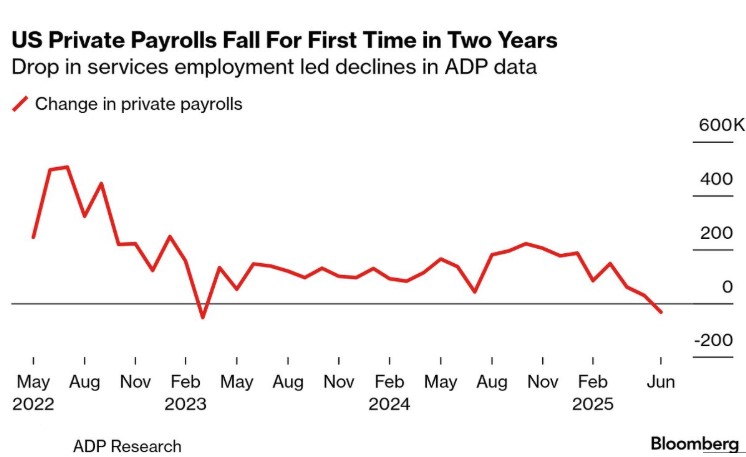
It shows a weakening labor market and with the ADP report confirming, the FEDs have plenty of data to make their move on rates.
We expected 75,000 job gains but only got 54,000 with initial jobless claims rising over 8,000.
Bond Market responded this morning and the mortgage rates dropped.
Remember, the Federal Reserve’s role is to either cool down or stimulate the economy. Raising rates slows things down, while lowering rates helps speed things up. When borrowing costs drop, the cost of doing business becomes cheaper, fueling growth and opportunity.
Lets get you pre-approved today http://www.YourApplicationOnline.com
-
Subscribe
Subscribed
Have a WordPress.com account? Log in now.

