-
Home Values Poised to Rise as Labor Market Outweighs Inflation
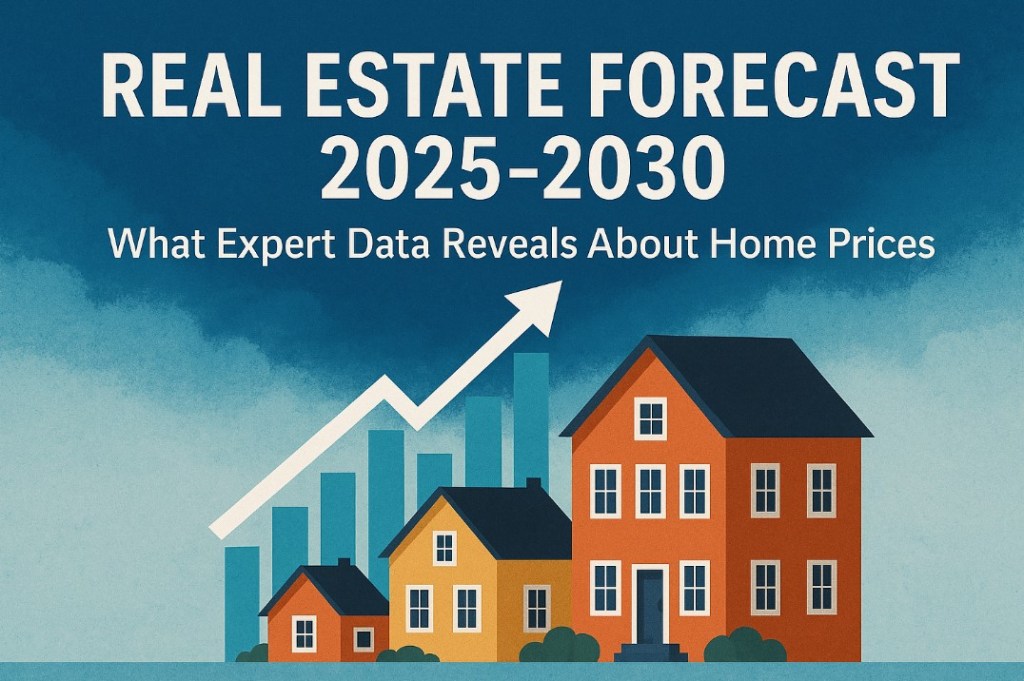
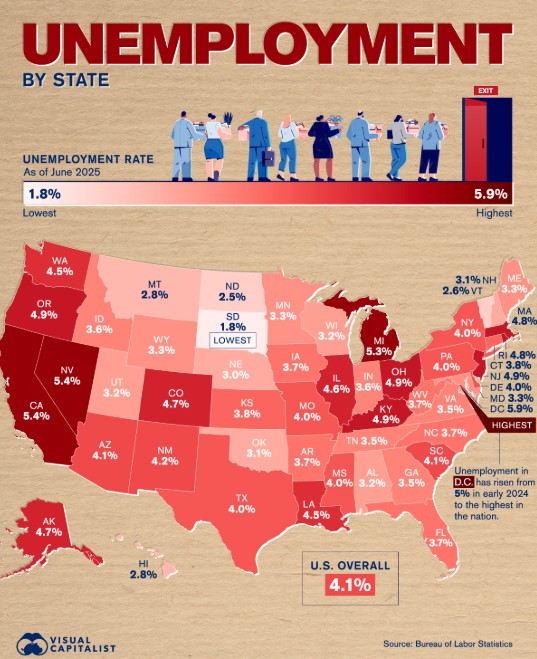
Inflation may be the Federal Reserve’s primary mandate, but with the labor market struggling, jobs have become the dominant concern.
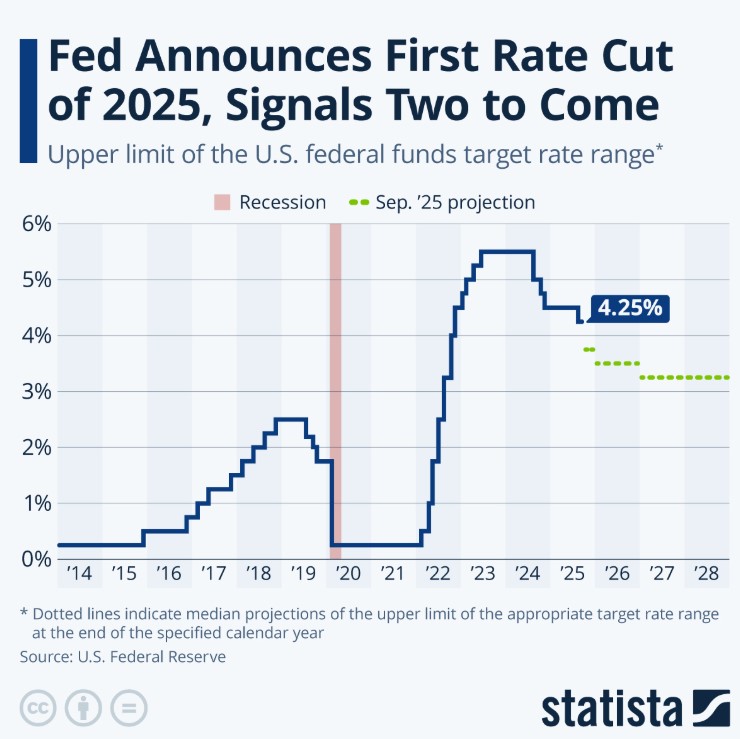
Markets are betting 65–70% on a December rate cut. When the government reopens and data starts rolling in again, signs of a softening job market could push the Fed toward a more decisive cut.
Cotality Home Price Insights show a 0.2% decline in September but still up 1.2% year over year. They forecast a 4.1% rise in the next 12 months.
If you or your client purchased a $500,000 home today, that could translate to a $20,000 increase in value over the next 12 months.
ADP, which operates independently of the government shutdown, will release its employment report tomorrow morning. Expectations are for a very weak 24,000 jobs added in October, typically, we see numbers closer to ten times that amount.
My take: Rates appear to be moving in the right direction. Out in the field, agents are reporting more activity, greater buyer interest, and a noticeable uptick in open houses.
Lets get you pre-qualified today. http://www.YourApplicationOnline.com
-
How Today’s Political Quagmire Is Driving Interest Rates Lower
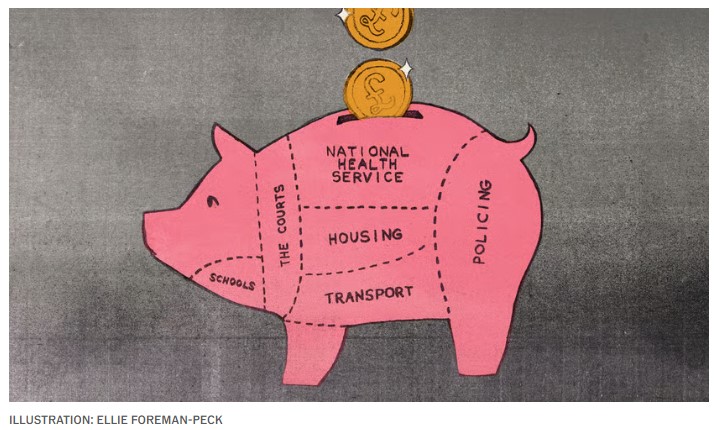
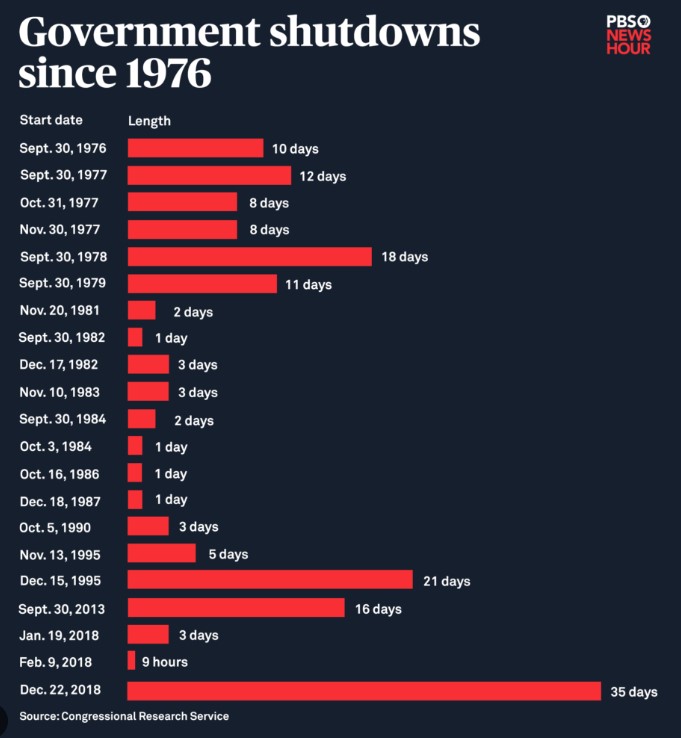
Day 34 of the Government Shutdown
Tomorrow marks an unfortunate record. Beyond the layoffs and furloughs, there’s a growing concern around the Worker Adjustment and Retraining Notification Act (WARN)—a federal law that protects workers, families, and communities by requiring employers with 100 or more employees to provide at least 60 calendar days’ advance written notice of a plant closing or mass layoff affecting 50 or more employees.
We are now seeing layoff levels not experienced since 2009, underscoring the deepening economic strain caused by the prolonged shutdown.
The side effect of a weakening job market is the flight to safety investors moving money out of riskier assets and into the bond and Treasury markets. As more money is “dumped” into these safe havens, demand rises, bond prices increase, and yields (interest rates) fall.
Class Dismissed and have a great rest of your week.
Let’s get you pre-approved and ready to purchase or refinance. Soft credit pull http://www.YourApplicationOnline.com
-
Don’t allow the Urgent to Drown-Out the Important. Fed Member inflation Ghosts

Halloween Edition: When Inflation Haunts the Fed
Kansas City Fed President Jeffrey Schmid appeared on CNBC this morning to explain why he dissented on the 25bp rate cut yesterday and hinted he’ll likely do the same in December.
Schmid sees ghosts in inflation phantoms from the past that keep him up at night. He’s one of the few Fed members still haunted by old inflation fears, refusing to see the other shadows creeping in… like rising unemployment.
My take: The cure has become worse than the disease. This obsession with fighting yesterday’s inflation ghosts is hurting today’s real people especially first-time homebuyers trying to step into the market before the door slams shut.
lets get you pre-qualified today, don’t be scared http://www.YourApplicationOnline.com

-
Powell, Your Killing me Smalls, Why you have to do us like that.
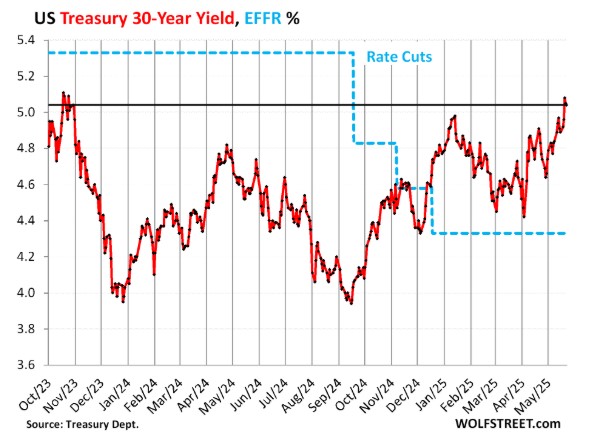
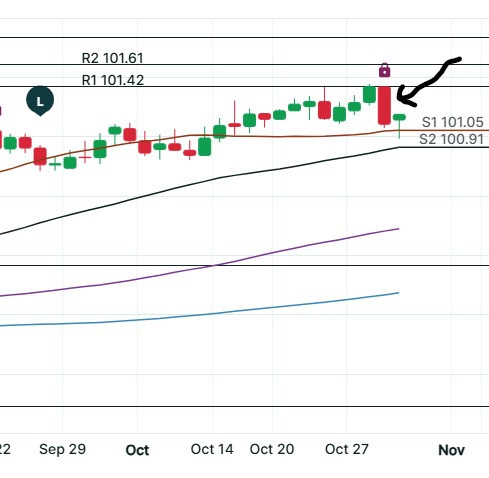
When asked about the December 10th rate cut, Powell said it was “not a foregone conclusion — far from it.” That single comment wiped out a month’s worth of progress, with the market losing 33 basis points yesterday.
In one sentence, Powell effectively took back all the mortgage rate gains we’ve seen recently.
Graph below shows what happens when the market is Spooked .
The other challenge is Treasury Secretary Bessent strategy of issuing more short-term debt and less long-term ie 10y. This could negatively affect the Mortgage rates.
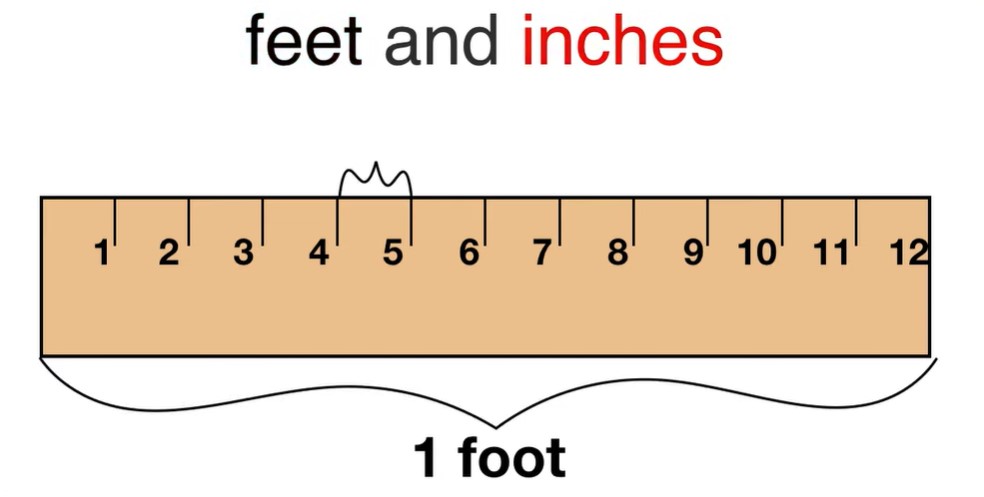
My take: Though my frustration with Powell is obvious, the reality is that interest rates are still far lower today than at any point in the last few years. In this market, we think in inches, not feet, every small movement in rates sparks a reaction.
-
Fed Balance Sheet Runoff more impactful than Rate Cut Today
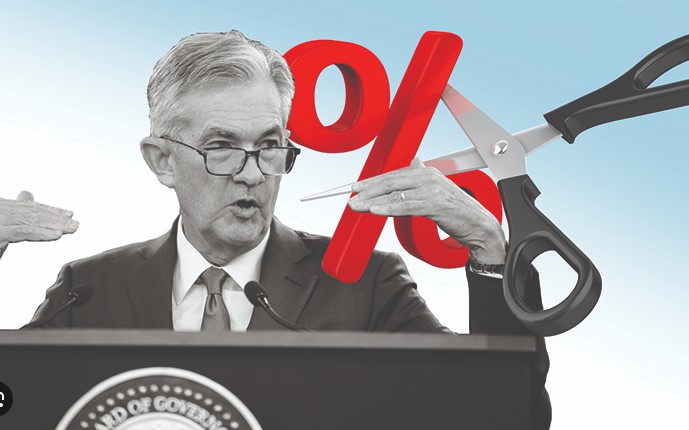
Fed Day: All Eyes on Powell
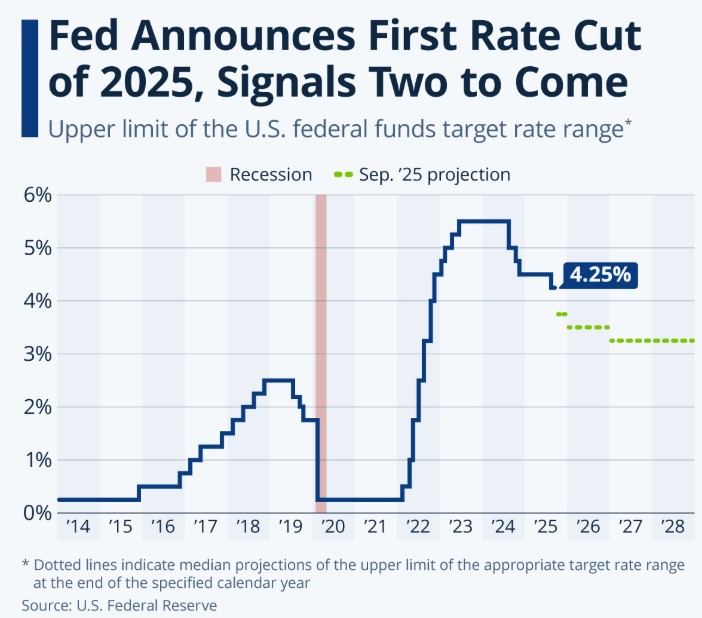
The Fed is expected to cut rates by 25 basis points this morning, but the real story will come after the 11 a.m. announcement when Chair Powell speaks. He’s been known to take a bit of a “Debbie Downer” tone, so we’re on edge and ready to lock in our clients as soon as he starts talking just in case.
The Fed also announced plans to end its runoff of Treasuries in the coming months and begin purchasing Treasuries again in 2026 very good news for long-term rates. For perspective, the Fed was buying tens of billions of dollars per month in Treasuries in 2020, totaling over $2 trillion that year. Those massive purchases were a big reason rates were so low at the time.
Mortgage applications are up, though not as much as expected. The market has largely priced in today’s rate cut and the one anticipated for December, so we don’t expect major rate drops for the remainder of the year but of course, that could change.
My take: If you’re thinking about refinancing, today’s rates are worth locking in.
http://www.YourApplicationOnline.com
-
How Does the Fed Decide When It’s Data-Dependent but Flying Blind. They are still going to Cut

There are still a few key data points guiding the Fed as it prepares for the October 29th rate cut decision.
The Chicago Fed’s Labor Market Indicators show the unemployment rate ticking up from 4.3% to 4.4%, signaling some softening in the job market. Auto delinquencies have also increased, while housing remains well below pre-pandemic levels, showing relative stability in that sector.
Rates are holding steady for now, but with the Fed’s decision and the 10-year Treasury hovering near 4%, it’s shaping up to be a busy week ahead. We’re all watching closely and hoping for lower yields.
Have a fantastic rest of your week!http://www.YourApplicationOnline.com
-
Shelter cool, Energy cooler Inflation not as hot.

September CPI Report Highlights:
- The Consumer Price Index (CPI) came in 0.1% cooler than expected, with year-over-year inflation moving from 3.0% to 2.9%.
- The Core CPI (which excludes food and energy) was also 0.1% below expectations.
- Shelter costs, making up 44.4% of the Core Index, came in softer than expected.
- Owner’s Equivalent Rent (OER) roughly 33% of the Core Index rose only 0.1%, another encouraging sign of cooling inflation.
- Overall, this is good news for the Fed, supporting the case for continued rate cuts. The next Fed meeting is October 29th, where markets are pricing in a 0.25% to 0.50% cut.
Have a fantastic weekend, see you on the other side!
http://www.YourAppliciationOnline.com
-
Shutdown Day 22: The Only Thing Still Working Is Market Anxiety.

The government shutdown continues to have a real impact on the market, creating uncertainty and limiting access to key economic data. Investors are watching closely as the 20-year bond auction takes place at 10 a.m. this morning. The level of demand in that auction will be a strong indicator of investor confidence and will directly influence rate movement.
If demand is strong, we could see yields (and therefore mortgage rates) improve slightly. However, if participation is weak, it may signal caution in the market and put upward pressure on rates.
Let’s not let the shutdown slow us down. the world keeps spinning and the rates are at their lowest point in two years.
Soft credit pull http://www.YourApplicaitonOnline.com
-
Two Thirds of Americans can afford a home. What about the other Third. Rates continue to move down.

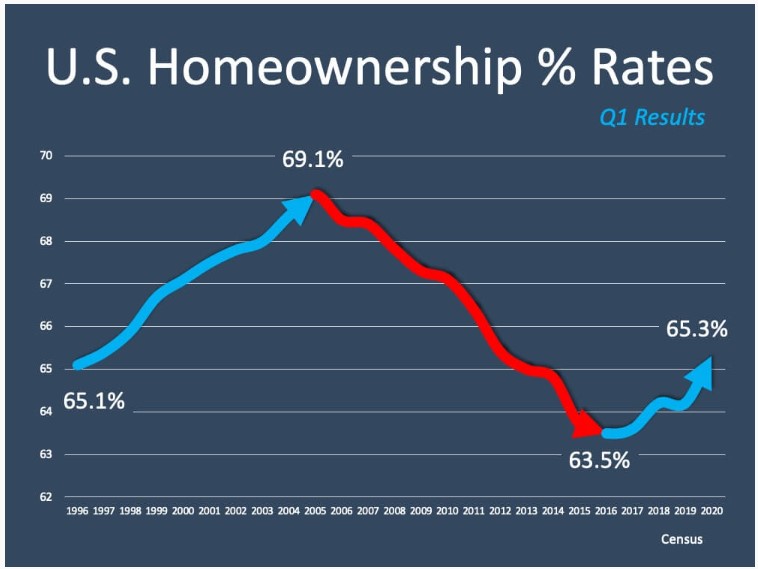
Home affordability is a big deal. While roughly two-thirds of Americans can afford to buy a home, many choose not to, often because of lifestyle preferences, mobility, or uncertainty about the market. The remaining one-third, however, simply cannot afford homeownership and may never be in a financial position to do so.
This divide highlights one of the biggest challenges in today’s housing market: rising home prices and limited inventory continue to outpace wage growth, especially for first-time buyers. Even with rates moving lower, affordability remains a major barrier for millions of Americans hoping to enter the market.
There are options. Rural Housing is 100% financing as well as VA loans. FHA is 3.5% but many Down Payment Assistance Programs are available. Conventional has a 3% down payment options.
Let’s talk through your specific scenario and give you options. http://www.YourApplicaitonOnline.com
-
Oil Prices below $55 a barrel, slow downtrend and has staying power. Good news for inflation and rates.
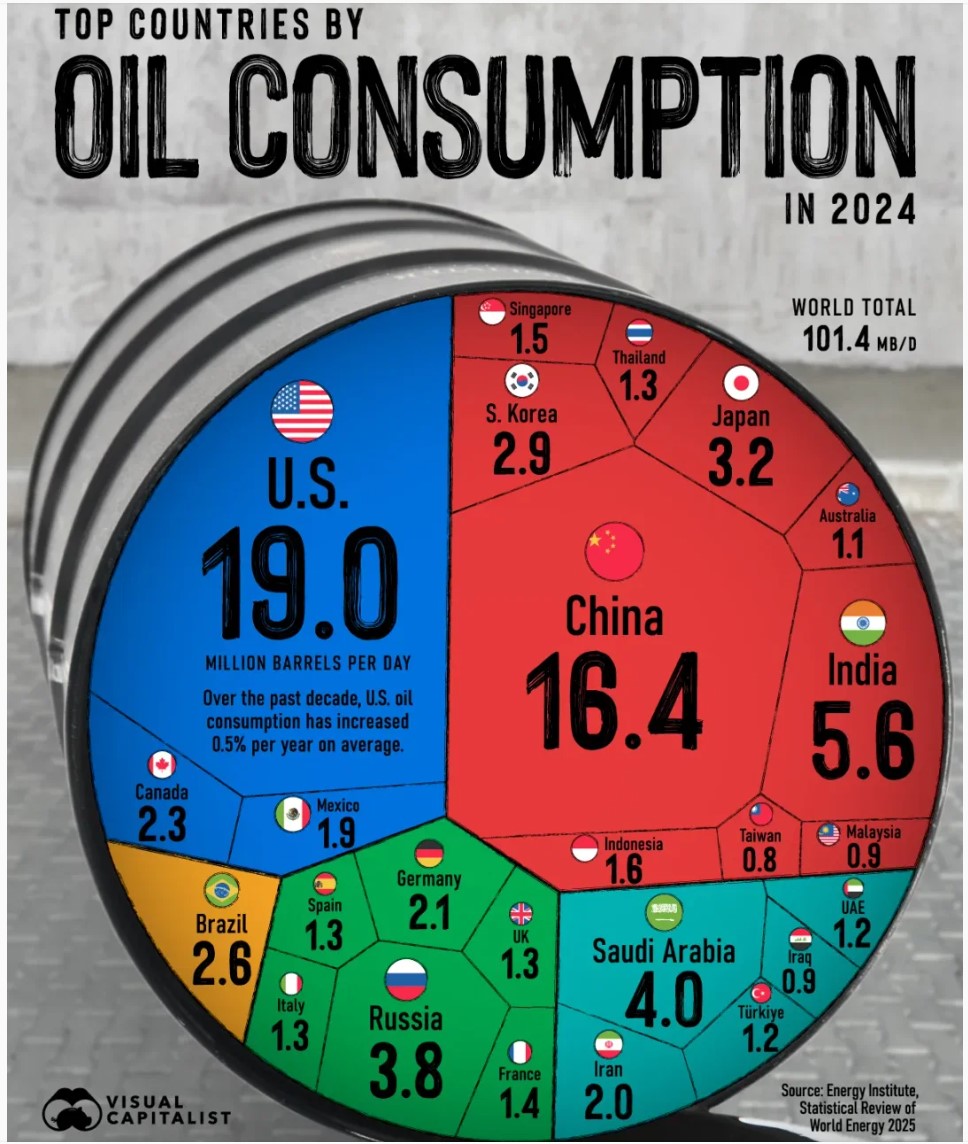
That’s the short of it. Oil impacts everything from manufacturing to shipping and distribution and ultimately hits the consumer’s wallet when purchasing to filling up the tank.
If lower oil prices help keep inflation in check, the Fed will be that much more likely to continue lowering rates.
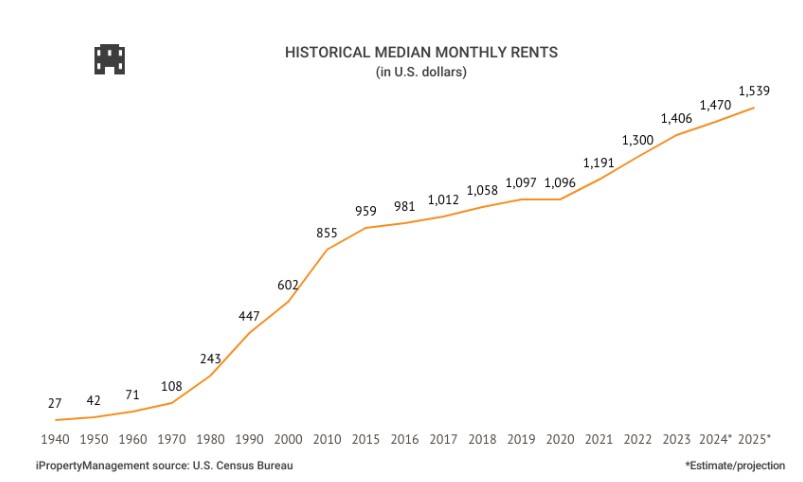
On the rental side, affordability is now the best it’s been in four years—another factor helping to bring overall inflation down.
Here’s an interesting side note: Americans are moving far less than they used to. Historically, about 15% of the population changed residences each year (and closer to 20% back in the 1960s). Over the past year, that number has dropped to just 11%.
It could be all those 3%’ers with their fantastic rate they don’t want to give up?
Rate are moving in the right direction and we see the activity growing. We expect that mobility % to increase substantially in the coming years.
Lets get you pre-approved today. http://www.YourApplicaitonOnline.com

-
Subscribe
Subscribed
Have a WordPress.com account? Log in now.

