-
Mortgage Rates improving despite the Feds Hesitancy

Mortgage rates are dropping again and gaining back the ground they lost over the past couple of tough weeks. Even though the Fed has already hinted there will be no rate cut at their December 10th meeting, the Bond market clearly didn’t get the memo and reacted to other factors in our favor.
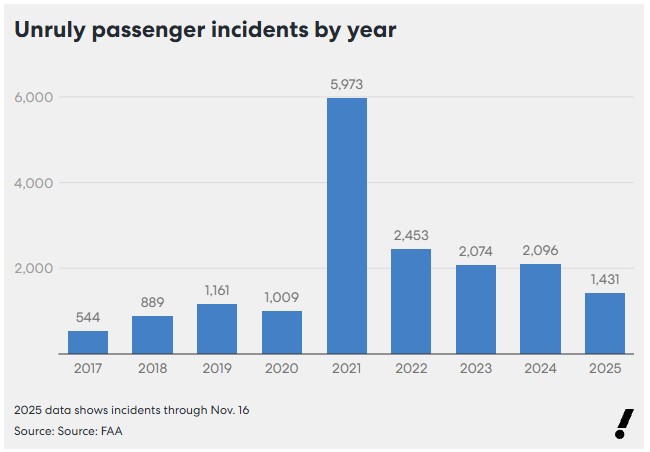
As we all gear up for one of the busiest travel weeks of the entire year, it’s a good reminder to take a deep breath, relax, and try not to honk at anyone who’s clearly forgotten how a turn signal works.
And in the middle of all the holiday chaos, I came across this graph this morning and thought it was worth sharing.
Have a fantastic weekend and next week. Our team will be available and happy to help.
http://www.YourApplicationOnline.com
-
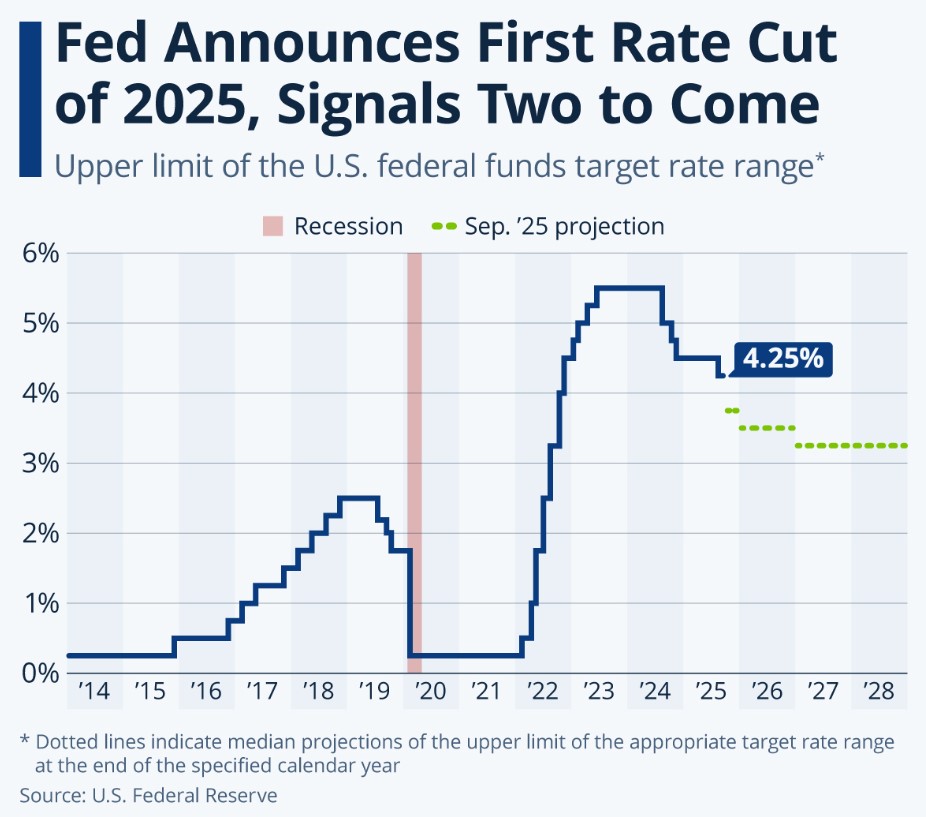
Mixed Bag Jobs Report, and Now the Fed Says “No Rate Cut for You” in December
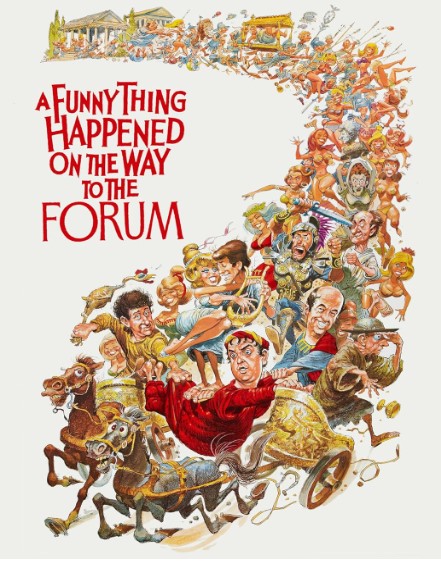
“A funny thing happened on the way to the forum… the Fed forgot to cut rates.
We all showed up expecting a grand performance, maybe a little drama, maybe a surprise plot twist but nope. Just Jerome Powell stepping out, clearing his throat, and saying, ‘Not today, folks.’
The audience groaned, the bond market spilled its popcorn, and mortgage rates quietly exited stage left.”This is a synopsis of the October 29th Fed minutes just released.
The Jobs Report came in as a mixed bag… more like the bargain bin, really. We added 119,000 jobs, but the unemployment rate still managed to climb from 4.3% to 4.4%. And because the universe loves consistency July and August were revised downward. Funny how revisions never seem to say, “Surprise! More jobs than we thought!”
So how did the Bond market react?
Surprisingly well. Rates actually improved.
Just because the Fed decided to take their ball and go home doesn’t mean mortgage rates have to follow them off the field.And here’s the real story: activity is picking up.
Not just calls, not just interest actual applications and, yes, real purchase contracts. The kind that have signatures, deadlines, and buyers who are actually doing something besides browsing Zillow at midnight.It’s been years since we’ve seen this kind of movement… and it’s a very welcome change.
Let’s get you qualified http://www.YourApplicationOnline.com
-
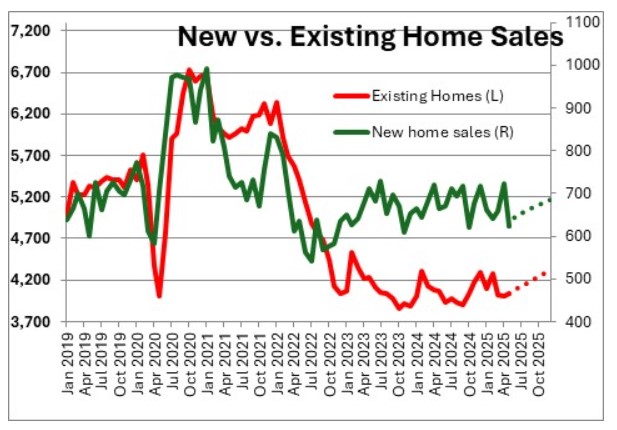
Home Sales Flat at 4M, NAR Projects 4.6M. Not Great, Not Terrible, But Definitely Improving

There are a number of reasons we project home sales to pick up.
Sure, lower interest rates help, but there’s something else happening too. Those ultra-low mortgages from years past are starting to lose their shine. You might love your rate, but let’s be honest… you might also hate your house.
Eventually something has to give. Maybe the family got bigger. Maybe the kids moved out and now you’re talking to empty bedrooms. Maybe the job changed.
Or maybe you’ve just decided you’re tired of sharing the kitchen with a dishwasher that sounds like a freight train. One way or another, life tends to nudge people forward.
2026 should be a banner year for the housing market and interest rates. Let’s get you pre-approved today for the tomorrow.
http://www.YourApplicationOnline.com Soft Credit pull.
-
Foreclosures Up 20% in October But Don’t Panic: It’s Fuzzy Math

Diana Olick, a real estate analyst for CNBC, once again managed to scare the holy crap out of everyone until you actually look at what she was referring to.
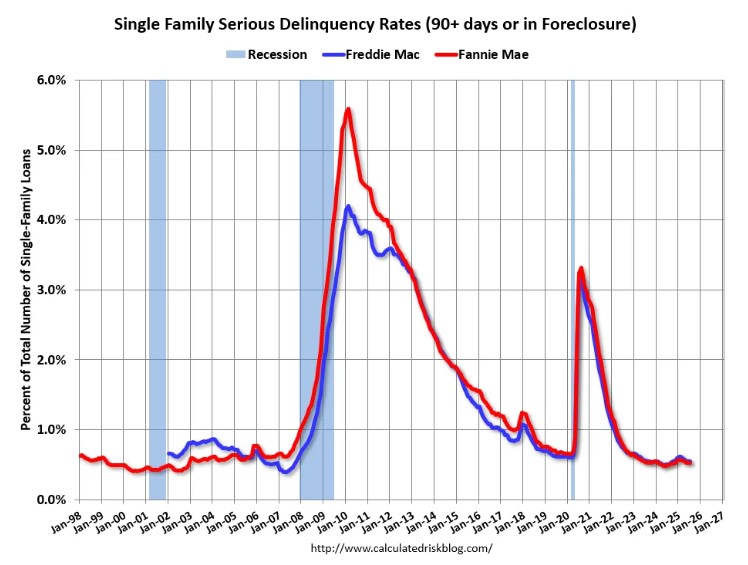
Foreclosure rates are sitting at historic lows, so even a tiny uptick can look dramatic when expressed as a percentage. That’s why the headlines sound alarming, but the reality is anything but.
When you look at the graph below, you can clearly see the increase is minimal not a sign of any real distress in the housing market.
It’s a toss-up whether the Fed will cut rates in December. Powell’s comments after the October 29th cut poured cold water on expectations, dropping the odds from 95% to 49%.
Meanwhile, most of the voting and non-voting Fed members still have blinders on, staying laser-focused on inflation while largely overlooking the weakening job market.
Rates are already low, and forecasts show 2026 shaping up to be a banner year for both purchases and refinances, with rates expected to drop even more significantly than in 2025.
Get out there and take charge. http://www.YourApplicaitonOnline.com
-
When Big Banks Start Buying Long-Term Treasuries, We Pay Attention, you should too

Despite comments from Fed members Susan Collins and Beth Hammack essentially saying, “Unemployment? What unemployment? Nothing to see here…”
There’s real data pointing to weakness in the labor market. Now that the government has reopened, the September and eventually October jobs reports will start to roll in. We expect they’ll confirm what alternative data has already shown: the labor market is getting tougher.
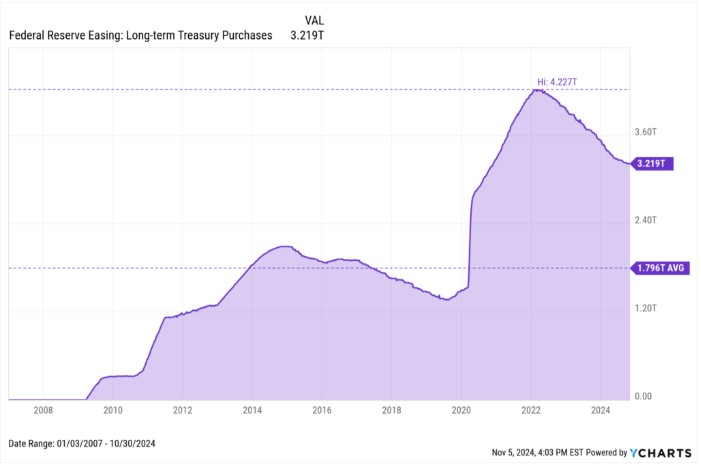
A bigger but quieter tell is that major banks and lenders are pouring money into long-term Treasuries and bonds, which has a direct, positive impact on rates.
They’re effectively hedging for lower long-term mortgage rates, knowing that as rates fall, their Treasury and bond holdings become more valuable over time.
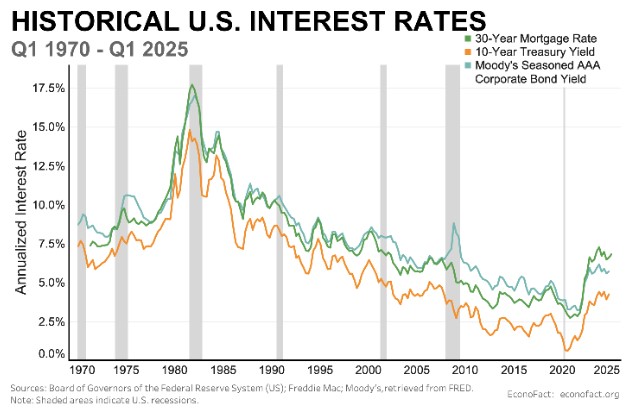
When someone asks where I think interest rates are headed, it’s never a simple answer there are hundreds of data points to consider.
Bottom line: rates are going to drop.
When and by how much? No one can say for sure but the writing is definitely on the wall.http://www.YourApplicationOnline.com
-
So What does a 50y Mortgage actually look like. It’s striking and not in a good way

Let’s take a look:
- Loan amount: $400,000
- Down payment: 10%
Monthly principal & interest:
- 30-year mortgage → about $2,300
- 50-year mortgage → about $2,000
So yes, there’s a small monthly savings but wait for it…
- Total payments (30-year loan): $438,156
- Total payments (50-year loan): $816,396
That’s a big difference over time a reminder that a lower monthly payment doesn’t always mean a better deal.
Job Data Fuels Talk of December Rate Cut
ADP job numbers continue to point to labor market weakness, providing more ammunition for the Fed to cut rates in December.
In other news:
The House votes tonight on a measure to reopen the government.
The 10-Year Treasury Note Auction takes place today at 1 PM ET.
Let’s get you pre-qualified today http://www.YourApplicationOnline.com
-
Home Values Rise as Government Shutdown Nears an End, Refinances on the Upswing

Good news on several fronts this week!
It looks like the government shutdown will end by this Friday great news for everyone.
The ICE Mortgage Monitor reported home values rose 0.15% in October, the largest monthly gain since March. Year-over-year, prices are now up 0.9%.
There’s also talk that the Federal Government may increase Treasury purchases over the coming months and into next year a positive sign for interest rates.
Meanwhile, the NY Fed’s Consumer Expectations Survey showed inflation expectations declined 0.2% to 3.2%, adding another data point supporting further rate cuts.
Even with the shutdown, retail sales climbed 5% compared to last October showing consumers are still out there spending.
Time to move forward and get to getting!
👉 www.YourApplicationOnline.com
-
No BLS? No Problem, Alternative Data Confirms Job Market Weakness
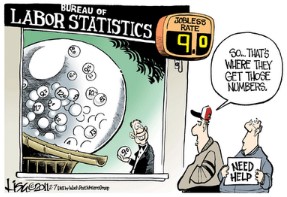
Alternative Data Confirms Labor Market Weakness
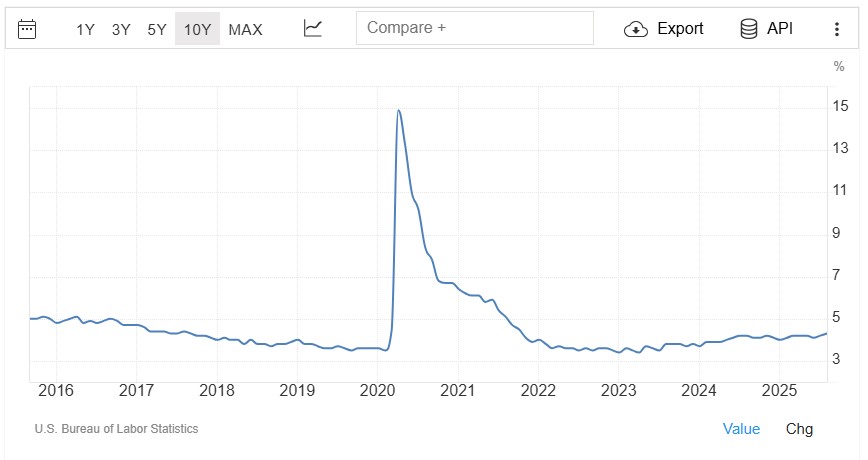
While the BLS Jobs Report wasn’t available, several private sector reports help reinforce the story of a weakening job market.
On Wednesday, ADP reported just 42,000 jobs created, far below the typical 200,000+ we’ve seen in stronger months.
Similarly, Revelio Labs, which analyzed data from over 100 million U.S. workforce profiles, also found evidence of a cooling labor market, echoing the same trend of slowing job growth.
Indeed also reported job openings are at their lowest level since February 2021.
The Fed is beginning to acknowledge the growing weakness in the labor market, increasing the likelihood of a rate cut in December.
Meanwhile, mortgage rates have held onto their recent gains, and we anticipate further declines in the coming months as the data continues to soften.
Time to get you pre-qualified for a mortgage. http://www.YourApplicationOnline.com
-
Weak Jobs report “Challenger Report” give a more accurate view.

Challenger Jobs Report: Signs of Softening
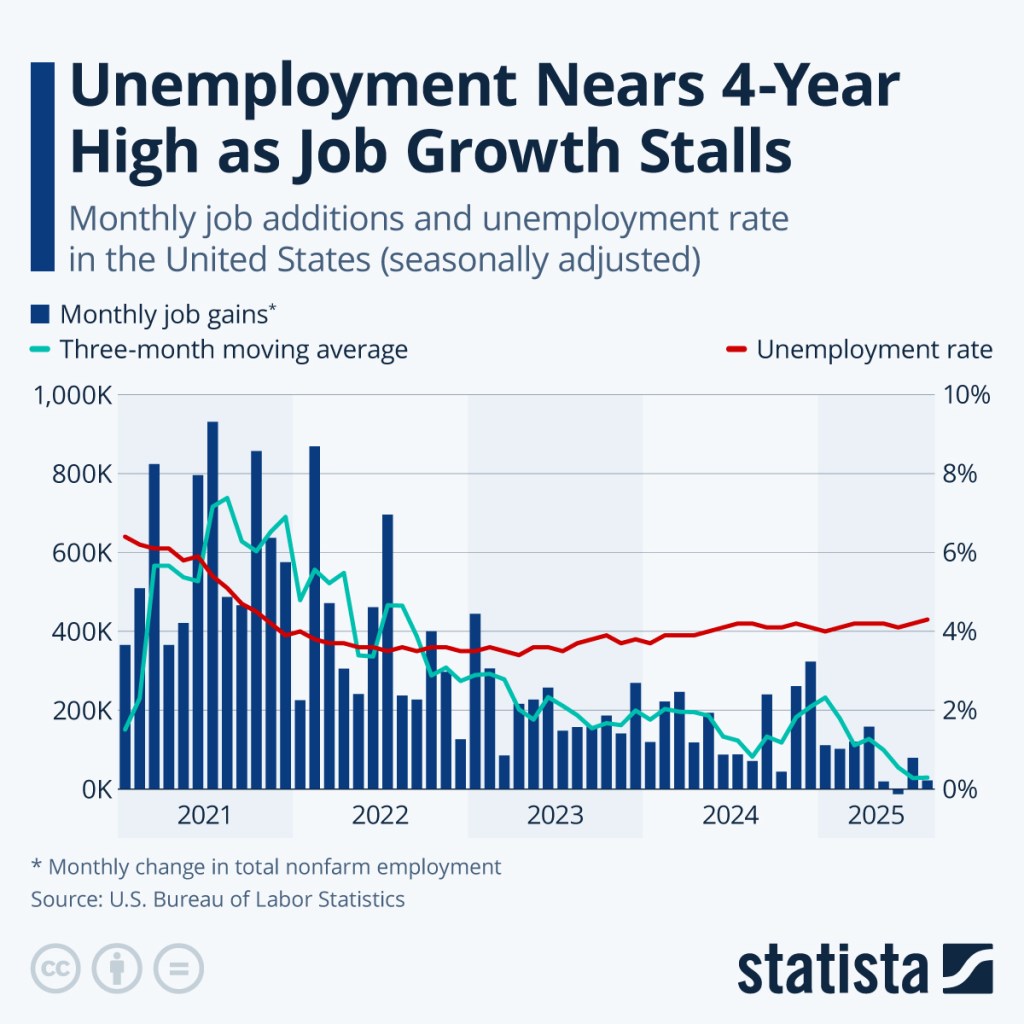
The Challenger Jobs Report showed 153,000 job cut announcements in October the highest level for that month in 22 years.
Year-to-date, we’ve now seen over 1 million job cut announcements.
So why all the doom and gloom, Jack?
Because this is exactly the kind of data point that gives the Fed room to cut rates. Inflation may still be their official mandate, but it’s clear that jobs have taken the front seat in their decision-making.
Are the Fed Speakers Reading the Same Book?
Listening to the recent Fed speakers, you start to wonder if they’re reading from the same book as the rest of us.
Yes, the unemployment rate sits at 4.4%, which on the surface means 95.6% of people are working. Sounds strong, right?
But dig a little deeper not long ago, we had a 2-to-1 ratio of job openings to available workers. Today, that’s down to 1-to-1, a clear sign that the job market is cooling faster than the headlines suggest.
Lets get you pre-qualified http://www.YourApplicationOnline.com
-
Funny thing, when the bar is set Low, so are the expectations

ADP Employment Report Reaction
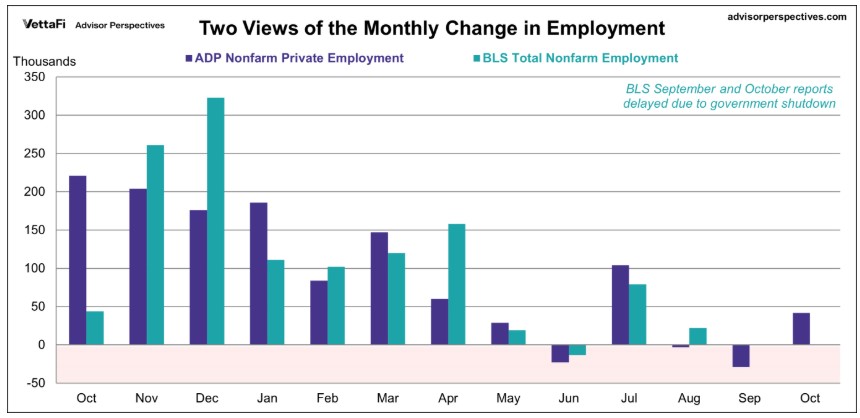
The ADP Employment Report came in at 42,000 jobs for October, a very low number by historical standards, though still above expectations of just 24,000.
When you look at the bigger picture, the total jobs created over the last four months adds up to only about 10,000, which is meager at best. But that didn’t stop the bond market from reacting as if 200,000 jobs were created.
Even the Federal Reserve seemed to view this as a stronger-than-expected report, which could make them less inclined to cut rates further.
The BLS and PCE data will be available ahead of the December 10th Fed meeting and that will give us hard numbers for the Fed to chew on.
Lets get you qualified http://www.YourApplicationOnline.com
-
Subscribe
Subscribed
Have a WordPress.com account? Log in now.

