-
BLS Jobs Report Tomorrow. Thursday CPI busy week ahead.

The BLS Jobs Report comes out tomorrow, and if the “see-sawyers” are right, the numbers could come in light which would be rate-friendly for mortgages due to a classic flight-to-safety move in the bond market.
Right now, the market is expecting 40,000–50,000 jobs added in November, with the unemployment rate holding at 4.4% or ticking up to 4.5%.
And let’s not forget: Powell himself has acknowledged that BLS job reports may be overstating employment growth, which is why this release carries even more weight than usual.
So what does that mean for us?
Money managers crave stability. When the job market underperforms—even against already low expectations it scares them. When that happens, money tends to move out of the stock market and into the bond market.
That shift increases demand for bonds, pushes bond prices up, and drives yields (and mortgage rates) down. In short: weaker job data often translates into better news for rates.
-
Breakdown of the Rate Cut and 2026 Expectations

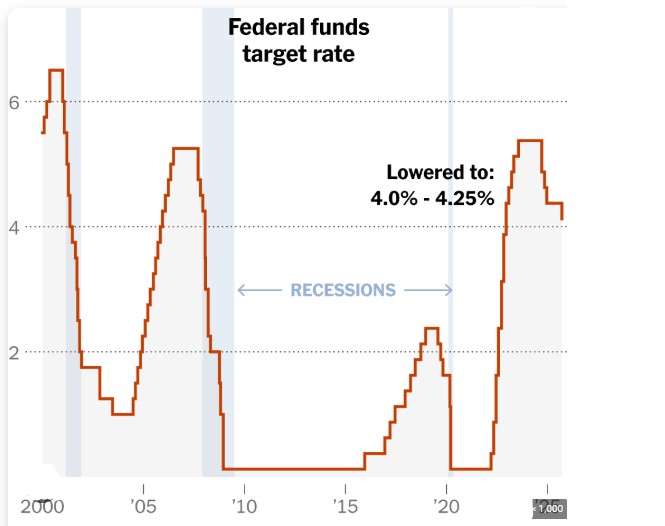
The Feds cut rates this week, just as everyone expected but they did it in a noticeably more dovish tone.
In plain English, that means they’re more open to another rate cut, but they’ve set the bar higher. We’d need to see inflation continue to cool and the labor market weaken further before they pull that trigger again.
Powell also noted that the BLS jobs report may be overstating employment growth by roughly 60,000 jobs per month, suggesting the labor market is softer than the headline numbers imply. With next week’s BLS report on deck, we could be looking at a genuine market-mover.
Another major development: the Fed has shifted back toward quantitative easing (QE), adding an estimated $40 billion in Treasury bills per month to its balance sheet.
The last time we saw this level of balance-sheet expansion was during the 2008 global financial crisis and again during the 2020 pandemic response both moments of significant economic recalibration.
2026 is shaping up to be a noticeably more dovish year as several of the Fed’s more hawkish voices rotate out. The current voting members, Powell, Goolsbee, Schmid, Musalem, and Collins will be replaced as part of the routine rotation of regional Fed Presidents.
With a new Fed Chair stepping in for Powell, the committee’s tone is expected to shift. A fresh leadership approach combined with a more dovish voting slate means the Fed may be more open to additional rate cuts in 2026, especially if inflation continues to cool and labor market data softens.
Time to take advantage of the lower rates http://www.YourApplicationOnline.com
-
Fed Spoke, Rates Cut, Mortgage Rates Follow… Let’s get to getting.

Powell swung his rate-cutting sword today and sliced 25bps off the Fed rate and for once, the mortgage market said, “You know what? Let’s match that.”
So yes… we actually saw a real 25bp improvement in rates this afternoon. Miracles do happen.Meanwhile, Truflation (the private company that measures inflation in real time, not once the government finishes entering numbers into a spreadsheet from 1997) reports inflation at 2.2% noticeably lower than the official PCE numbers.
In other words:
The trend is here. Momentum is building. Stuff is actually happening.So if you’ve been sitting on the couch watching holiday movies on repeat…
Get up. Kevin will still be left home alone when you get back.
And the Grinch isn’t stealing your interest rate — the market is actually giving you a gift for once.Time to get prepared before the crowd wakes up.
👉 Get pre-qualified: www.YourApplicationOnline.com
New YouTube Channel Series2a Rover Life and Lending
-
The Data Strikes Again: About as Useful as a Chocolate Teapot

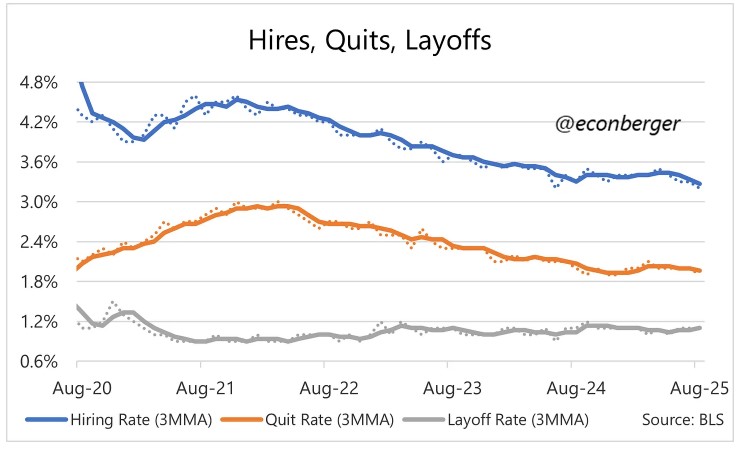
The JOLTS (Job Openings and Labor Turnover Survey) for September and October showed an increase in job openings, with most of the gains coming from September. The biggest contributors were the Trade/Transportation/Utilities sector and Professional/Business Services.
The hiring rate held at 3.2%, the lowest level since 2011 (excluding the Covid period). At the same time, layoffs rose to their highest level since January 2023.
ADP data shows 20,000 jobs created over the last four weeks, but that follows 13,500 job losses in the previous four-week period.
What does this mean for the Fed?
This adds more justification for a rate cut tomorrow. The real question is how the market will react and at this point, it’s a toss-up.Lets get you pre-qualified today. http://www.YourApplicationOnline.com
-
This December Fed Cut is Different than Octobers. here’s why.

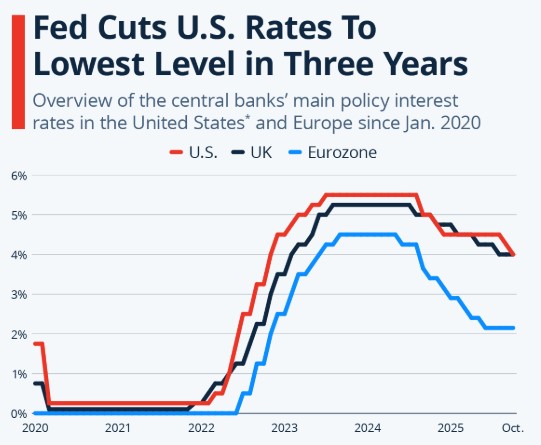
The October rate cut by the Feds was completely overshadowed by Powell’s follow-up comments. He essentially said, “Okay, okay here’s your rate cut… but don’t get used to it.”
Naturally, the market didn’t love that, and mortgage rates actually moved higher afterward.
This time around, the January rate cut is looking less likely, which means the market may take it more positively. When expectations drop, rates tend to behave better so we could see a more favorable reaction this round.
The JOLTS Job Openings and Labor Turnover Report, the ADP employment data, and tomorrow’s 10-year Treasury auction could all provide support for the bond market, especially as the employment landscape continues to show signs of weakening.
Rates are holding, just holding but tomorrow may show signs of improvement.
Time to get pre-approved http://www.YourApplicationOnline.com
-
The Snow is Plowed and ready for The Feds to cut rates. PCE came in light.
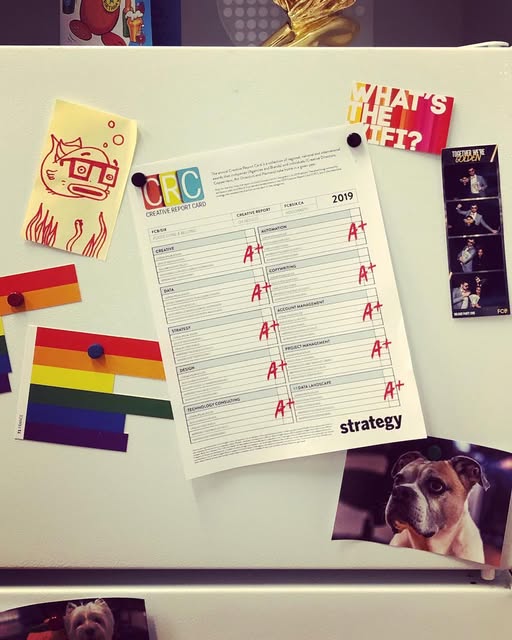
The Fed’s main mandate is inflation. Sure, they mention employment, but let’s be honest, inflation is their favorite child. The one whose report cards they hang on the fridge.
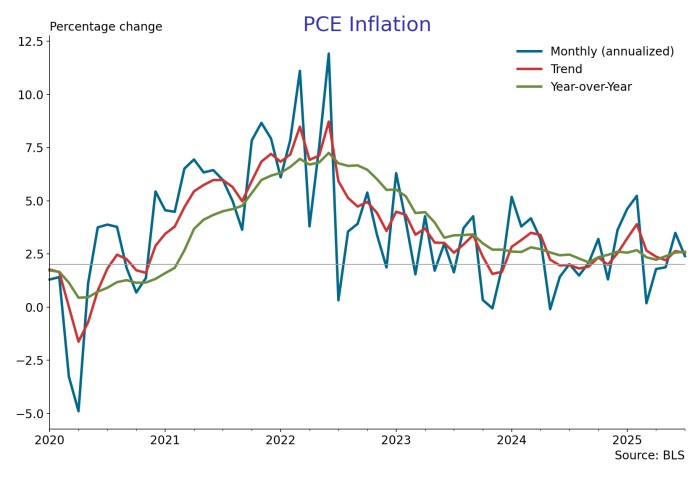
Today’s Personal Consumption Expenditures (PCE) came in up 0.3%, perfectly in line with estimates.
Year-over-year inflation nudged from 2.7% to 2.8%, just enough to remind the Fed that their “favorite child” still needs supervision.
My thoughts:
Wednesday’s ADP report showed 32,000 job losses in November, and paired with the lighter inflation numbers, it basically handed the Fed a golden ticket to lower rates.
let’s get you pre-qualified or look at that refinance http://www.YourApplicaitonOnline.com
-
ADP pulls off the Band-Aid. Don’t look if you’re squeamish.

The highly anticipated and somewhat feared ADP report tells it like it is. November numbers show 32,000 job losses, a sharp contrast to estimates calling for 10,000 to 40,000 job gains.
Looking deeper, small businesses lost 120,000 jobs, while medium and large companies posted some modest gains. Keep in mind: small businesses employ nearly 50% of the entire labor force. Let that sink in half of all workers are tied to small business.
If there’s a canary in the coal mine, this is it.
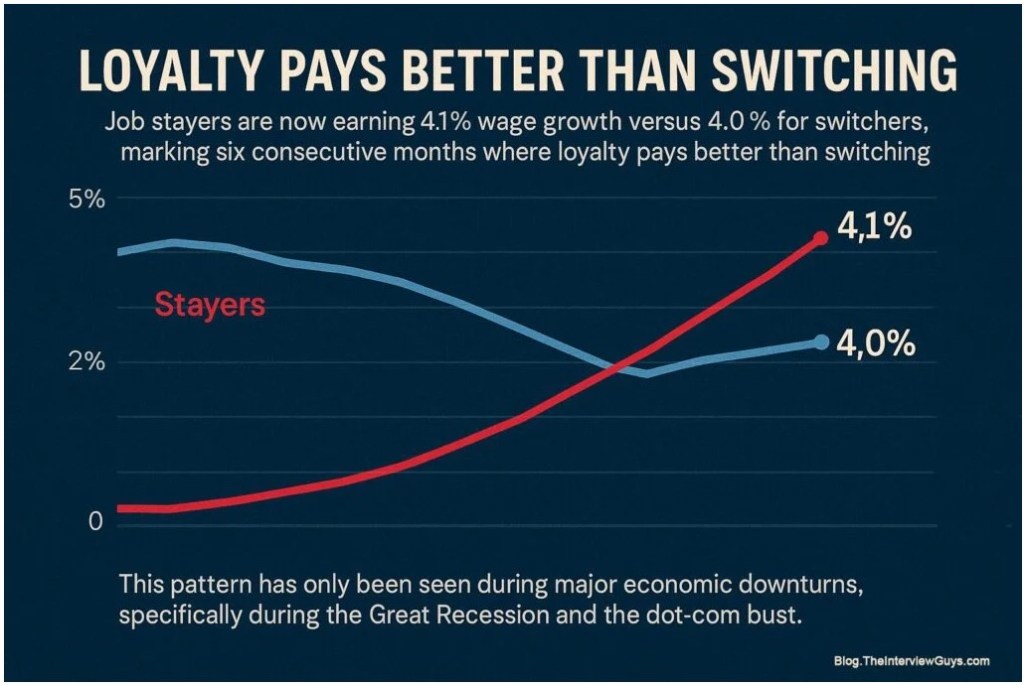
Another key detail: job stayers saw only modest pay increases, and job switchers saw even smaller gains.
The gap between the two has tightened to just 1.9%. In other words, fewer employees are switching jobs and when they do, the financial incentive is far less compelling than it used to be .
What does this all mean?
The odds of the Fed cutting rates on the 10th just increased. The bond market has already responded positively, and we expect this momentum to continue through the end of the year.Let’s get you pre-qualified http://www.YourApplicationOnline.com
-
Vacancies up, Renters rejoice, Big impact on Inflation huge.

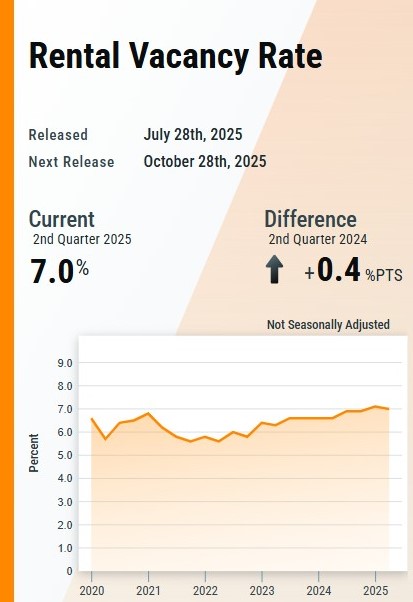
Vacancy rates are increasing, and rental days-on-market are rising right along with them. For many landlords, the only lever left is lowering rents and that’s exactly what we’re now starting to see across the market.
Shelter makes up 35.5% of the Consumer Price Index (CPI). In trade terms, that’s a lot. When rents cool, inflation cools. Add in the recent drop in oil prices, and we should see some positive movement in the inflation data this month.
All of this gives the Fed even more reason to consider lowering their rate.
Tomorrow’s ADP Employment Report will be a key one to watch. Unlike survey-based reports, ADP is pulling directly from its actual payroll database no averaging, no guessing which makes it a much more accurate read on what’s really happening in the labor market.
lets get qualified http://www.YourApplicationOnline.com
-
What happens in Japan affects the World. Except their Fed rate is only 0.50. Black Friday surprise.

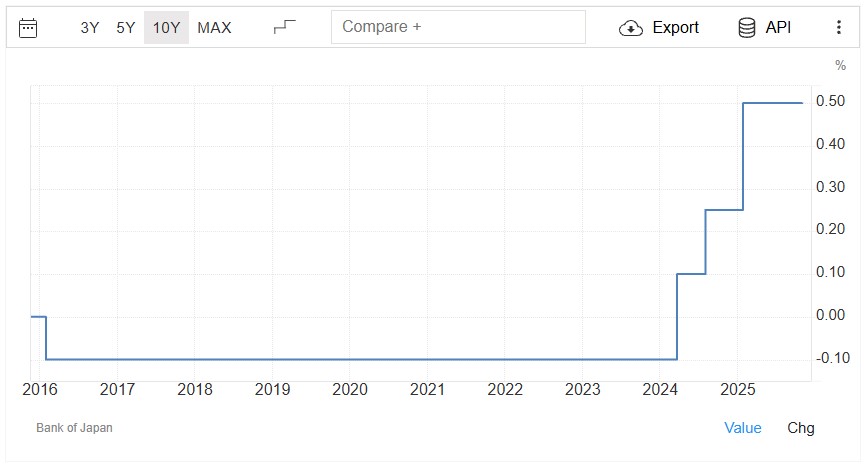
The bond market reacted sharply to comments from Japan’s BOJ Governor Ueda, hinting that a rate hike may be on the table later this month. But when you look at the chart below, it’s wild to see that Japan’s benchmark rate has been sitting at –0.10% since 2016, only nudging up into positive territory this year now sitting at just 0.50%. Even the suggestion of a move spooked global bond markets.
Meanwhile, the rumor mill is spinning at home: a new Fed Chair has reportedly been identified, but the name is still under wraps. Jerome Powell’s term officially runs through May 16, 2026, but expectations are growing that he may step down earlier.
On the consumer side, Black Friday smashed records $12B in spending, up 9% from last year. How much of that is inflation versus consumers simply shifting more purchases online is still unclear, but shoppers definitely showed up.
Let’s get you pre-qualified and ready for the new year. http://www.YourApplicationOnline.com
-
Inflation and Jobs data due after Feds meet Dec 10th.
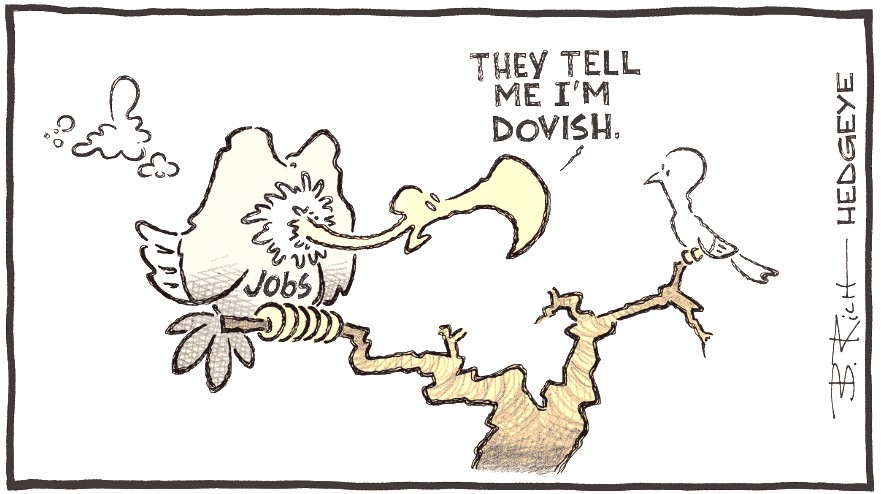
What’s a Fed to Do?
The data pipeline is… not pipelining.
- BLS Jobs Report for October and November won’t hit until Dec 16 and it’s showing up without October’s unemployment rate, like it forgot part of its outfit.
- CPI (Inflation) for October? Canceled. Poof. Gone. We’ll go straight to the November CPI on Dec 18, as if October never happened.
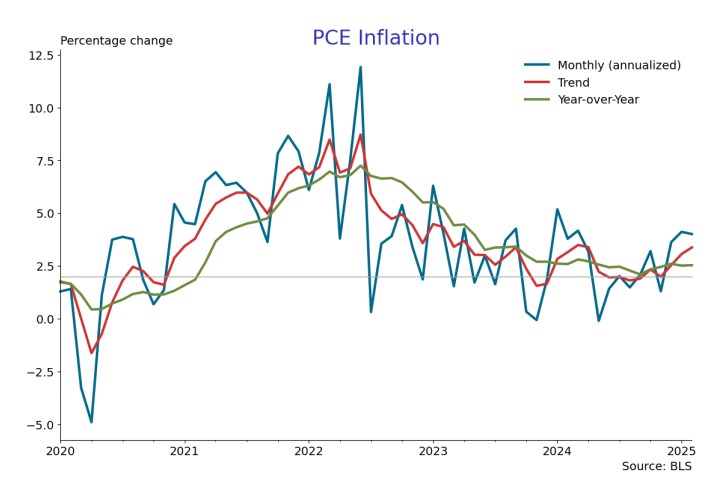
- PCE (the Fed’s favorite inflation gauge) for September and October is still MIA. No release date. No update. No “we’ll call you back.” Just radio silence.
At this point, Powell’s probably refreshing his inbox like the rest of us. The likelihood of a Fed rate cut is fading fast, but the silver lining? Mortgage rates have actually rebounded, reminding everyone there’s often a hilarious (and frustrating) disconnect between the Fed rate and the mortgage rate.
It’s a short week, and our team is wishing you all a fantastic rest of the week — and a very Happy Thanksgiving! http://www.YourApplicationOnline.com
-
Subscribe
Subscribed
Have a WordPress.com account? Log in now.

