The Fed Strikes Again (Probably)
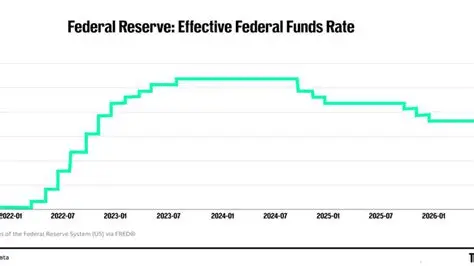
The Federal Reserve is expected to hike rates 25bp this Wednesday. The bond market has been on a tear, dragging mortgage rates along for the ride like an unwilling dance partner.
The 10-year Treasury yield is sitting at 4.99%, just a hair below the scary 5.00% mark. For context: back in late February, the 10-year was comfortably under 4.00%. That’s not just a 1-point difference in yield, it’s translated into more than a 1-point rise in actual mortgage rates.
Here’s the part nobody explains well: as rates climb, lenders get nervous about refinances, so any loan made now has a shorter expected life.
That uncertainty gets priced in as an extra spread on top of the Treasury yield, widening the gap between the 10-year and your actual mortgage rate.
In English: it’s not just what the 10-year is doing, it’s the gap between the 10-year and the mortgage rate that decides your payment, and right now, that gap isn’t doing anyone any favors.
Well, That Escalated Quickly
There’s a lot happening in the Middle East right now, and none of it is good news for your gas tank.
Saudi Arabia has shut down its East-West pipeline, the 7-million-barrel-a-day workaround built specifically to bypass the Strait of Hormuz, after a drone strike hit the line near Medina. So the backup plan for the backup plan just took itself offline. That’s not a great sign when you’re already down to Plan C.
The Houthis have seized Perim Island, a strategic chokepoint sitting right in the middle of the Bab el-Mandeb Strait, the “Gate of Tears” at the mouth of the Red Sea. Translation: they now have another lever to squeeze oil shipping, right as the Hormuz route was already struggling. The Red Sea and the Gulf are basically tag-teaming the global oil supply at this point.
My Take
The Fed is expected to raise rates because CPI inflation is running hot, but that inflation print is almost entirely a function of oil and diesel prices, with diesel now sitting at record highs. Diesel isn’t just a “gas at the pump” story either; it’s the backbone of trucking, shipping, farming, and manufacturing. When diesel spikes, everything that touches a truck gets more expensive.
Here’s the problem: raising rates doesn’t fix any of that. The economy is already slowing. This isn’t a “too much demand” inflation problem, it’s an oil supply problem, and the Fed doesn’t have a lever for pipelines getting droned or islands getting seized. Hiking rates into an oil-driven inflation spike is like turning up the AC because the house is on fire.
http://www.YourApplicationOnline.com