
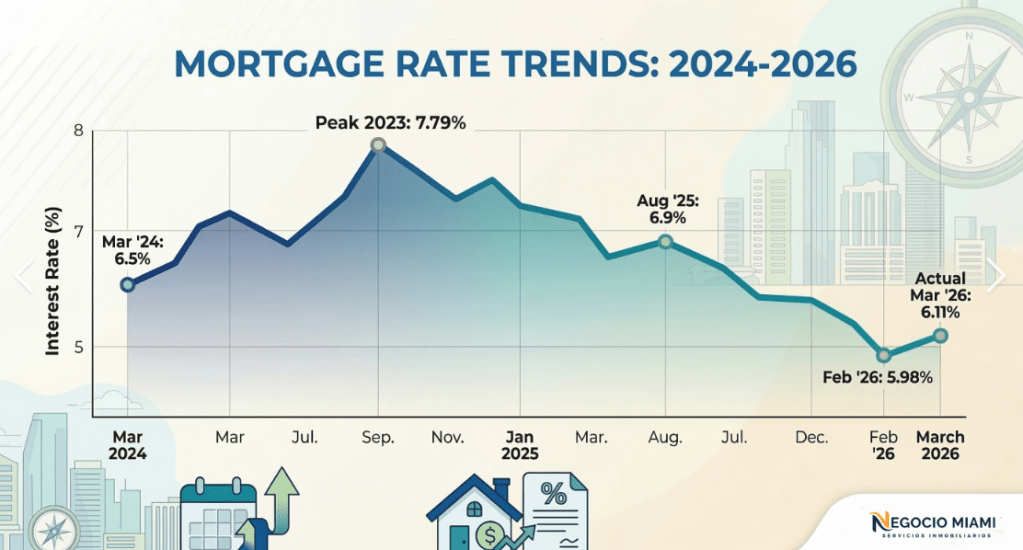
Let’s remember what the market looked like before the Iran conflict began. Mortgage rates had finally moved below the 6% for the first time in many years.
After years of borrowers sitting on the sidelines with rates in the high 6s, 7s, and even 8% range, we were starting to see a meaningful wave of refinance opportunities. Many homeowners were positioned to lower their monthly payments by hundreds and in some cases thousands of dollars.
Then, from Friday into Monday at the end of February, when the first bombings took place, the market reacted quickly and decisively. Investors did not like the uncertainty, and the bond market responded almost immediately. Mortgage rates moved higher as markets priced in additional risk.
Since then, it has felt like a roller coaster one day bringing renewed optimism and the next day putting deals back on hold. The constant swings have created frustration for borrowers, real estate professionals, and lenders alike. The whiplash has made many of us wonder when we can finally get off this ride.
The good news is, we may be approaching that opportunity. Here is my opinion on why (it’s a long read my apologies):
First, markets do not like uncertainty. The Iran conflict created a significant risk premium as investors reacted to concerns around oil prices, inflation, global stability, and economic disruption. Historically, once geopolitical events move from an unknown outcome toward a resolution or a clearer path forward, markets often begin to reverse those initial reactions. A reduction in uncertainty could provide relief to the bond market, which is one of the biggest drivers of mortgage rates.
Second, inflation remains the key piece of the puzzle. The Federal Reserve has been clear that sustainable progress on inflation is what will determine the pace of future rate cuts. If energy prices stabilize, supply chain concerns ease, and inflation continues moving lower, the market will likely begin pricing in additional Fed easing. Lower inflation expectations generally create a more favorable environment for mortgage-backed securities and mortgage rates.
Third, the political environment may become an important factor as we move toward the midterm elections. Regardless of political affiliation, voters continue to express frustration around the cost of living, housing affordability, and higher interest rates. Rising mortgage rates, elevated insurance costs, and overall affordability challenges are issues that directly impact households. Historically, when affordability becomes a major concern for voters, policymakers tend to place more focus on economic stability and measures that support growth.
The reality is that the economy is sending mixed signals. Employment has shown signs of slowing, consumers are feeling pressure from higher costs, and housing affordability remains one of the biggest challenges facing Americans. Those conditions may create more pressure for policymakers to support a lower-rate environment if inflation continues to cooperate.
Time to get pre-qualified http://www.YourApplicationOnline.com
 Mortgage News