-
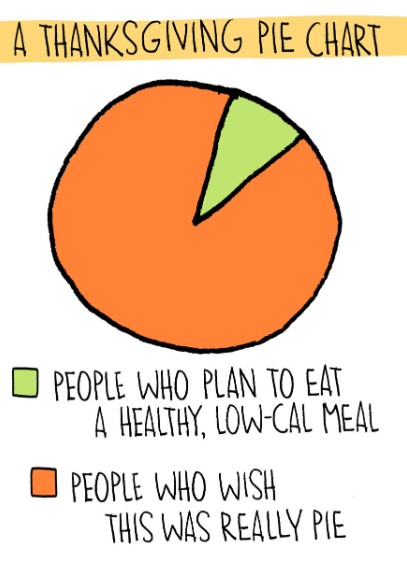
Forget about the Turkey; It’s the Hawks and the Doves we care about.
When the Fed members talk like Hawks, they are signaling Fed rate hikes or a pause. When the Doves are speaking, its about pausing and cutting the Fed rate.
The Hawks are starting to get outnumbered, and this is a good thing.
Quantitative Tightening is when the Fed sells off its balance sheet. This is what they have been doing for the past two years.
Quantitative Easing involves the purchase of Mortgage-Backed Securities (MBS) and Treasuries, which was happening after the 2008 great recession.
All this bodes well for lower rates in 2024.
On a personal note, I want to thank everyone for your support and celebrate our continued success. Have a great rest of your week and Thanksgiving.
-
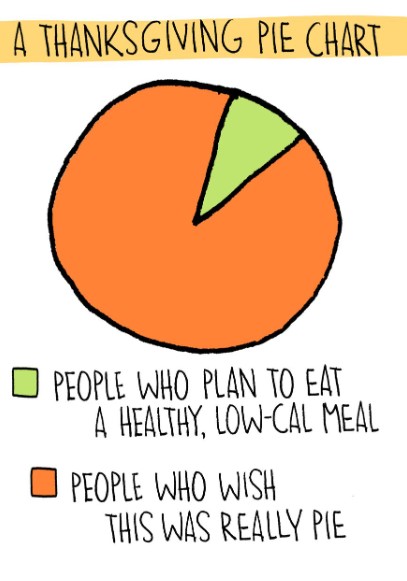
Forget about the Turkey; is it the Hawks and the Doves we care about.
When the Fed members talk like Hawks, they are signaling Fed rate hikes or a pause. When the Doves are speaking, it’s about pausing and cutting the Fed rate.
The Hawks are starting to get outnumbered, and this is a good thing.
Quantitative Tightening is when the Fed sells off its balance sheet. This is what they have been doing for the past two years.
Quantitative Easing involves the purchase of Mortgage-Backed Securities (MBS) and Treasuries, which was happening after the 2008 great recession.
All of this bodes well for lower rates in 2024.
On a personal note, I want to thank everyone for your support and celebrate our continued success. Have a great rest of your week and Thanksgiving
-
A funny thing happened on the way to the forum
As we navigate the sometimes humorous, sometimes chaotic events of the last few years, we have to remind ourselves: this too shall pass.
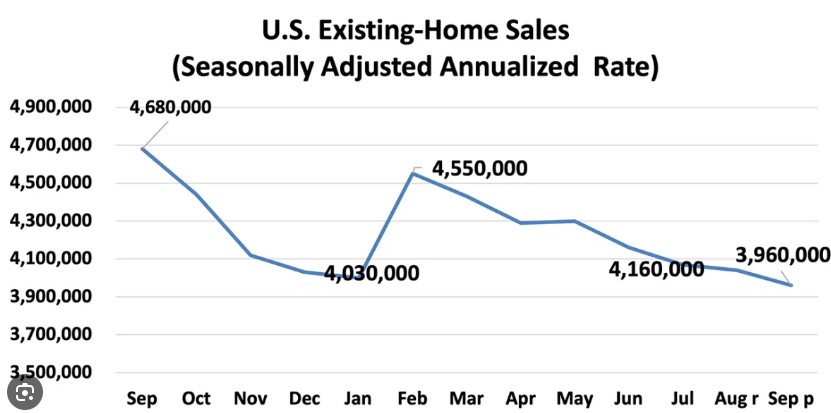
Rates continue to improve this week, but what was a bit of a surprise was the decrease in Existing Home Sales, down 4.1%. Supply was also down 5.7% from a year ago.
With that said, the median existing-home price was $391,800 in October, reflecting a gain of 3.4% from last year.
It’s all about supply and demand.
-
Rent vs Buy? Video link answers that question
Good Morning. Lets look at the hard numbers when it comes to renting or buying. The YouTube link below goes through a typical Southern California home purchase or rent.
If you live in an area with half the rent and half the home price, the numbers still work; just half the net gain. Even in this high Mortgage Rate environment we are still seeing the advantage of buying over renting.
-
Super Share Friday and Cardboard Boxes
I spent the better part of yesterday driving from Palm Springs, CA, to Newport Beach to help my two young adults move into their new apartment.
The reason I bring this up is more about the process than the finish line. Weeks of effort have gone into searching for the right place at the right price, packing, unpacking, and repacking for the trip.
My daughter made a comment after everything was done about how quickly we unloaded the U-Haul. I stopped to think; there has to be a life lesson here.
Being prepared is not just the foresight to anticipate an obstacle or challenge, but to put in place those things and processes that turn a mountain into a molehill.
We had the luxury of time, and we did not squander it. We spent the time tossing out what was once valuable, finding the important items, and keeping those close. We turned on utilities and cable so that when we arrived, all we had to do was unload far fewer boxes than we started with weeks earlier.
The life lesson is to be prepared not just in your head but with your finances. Get in touch with us or your lender and find out exactly where you are in the process. Take advantage of this time and our time.
When you decide to sell, buy, or just look, you will know exactly what you can do and be able to act on it quickly and accurately.
Thank you for listening to my Ted Talk. Have a great weekend.

-
The Writing is on the Wall, and the Ceiling and the floor
We have additional data pointing towards lower prices, with indicators in shipping and production all suggesting a trend towards reduced inflation, lower interest rates, and a potential decrease in the Fed Rate in early 2024.
In the job market, actual jobless claims stand at 231K, slightly higher than the forecasted 220K, and continuing claims increased to 1.865M, slightly surpassing the estimate. While this might seem concerning, these numbers reflect a return to more ‘normal’ figures.
Retailers, particularly Walmart, are exercising caution due to concerns about consumer spending, which can contribute to price stability. We may be entering a period of deflation over the next four months.
The key takeaway here is normalization. Take action now – start exploring homes, get pre-qualified, and if you’re considering selling your home, reach out to your real estate agent. If you’re a first-time homebuyer, let’s have a conversation and guide you through the process.
-
Are you the Horse or the Jockey
We all have choices: either sit back and let the ride go where it pleases or take the reins and tell the horse where to go.
The October Producer Price Index (PPI) report decreased by 0.5%, much lower than the estimates of 0.1%, marking the largest decline since April 2020.
One more stat: Year over year, producer inflation fell from 2.2% to 1.3%, well below the estimated 1.9%.
A much cooler inflation report than expected. This is what we are looking for and gives the Fed more fuel to cut rates as soon as the March meeting. Remember back to previous reports when we thought maybe 4th quarter 2024 rate cuts. This is big news.
My suggestion is to stop sitting back and get in the driver’s seat, ready for the real ride ahead of us. Get pre-approved, and tell your clients to get pre-approved. Home values are up. It might be the right time to sell.

-
There is a crack in the Armor and it’s good news.
CPI Consumer Price Index is the measure of change over time and is the prices paid by consumers for a market basket of good and services.
Why this number is important is it reflects inflation which is the value of money over time. The lower the inflation the less erosion of value.
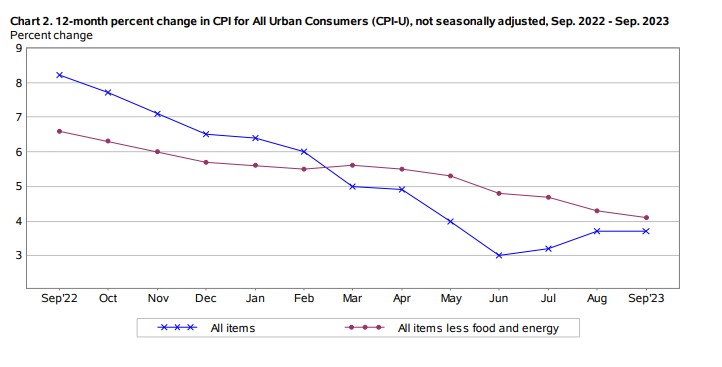
October’s CPI number was unchanged and seasonally adjusted only rose 3.2 percent over the last 12 months compared to September’s numbers at 3.7%.
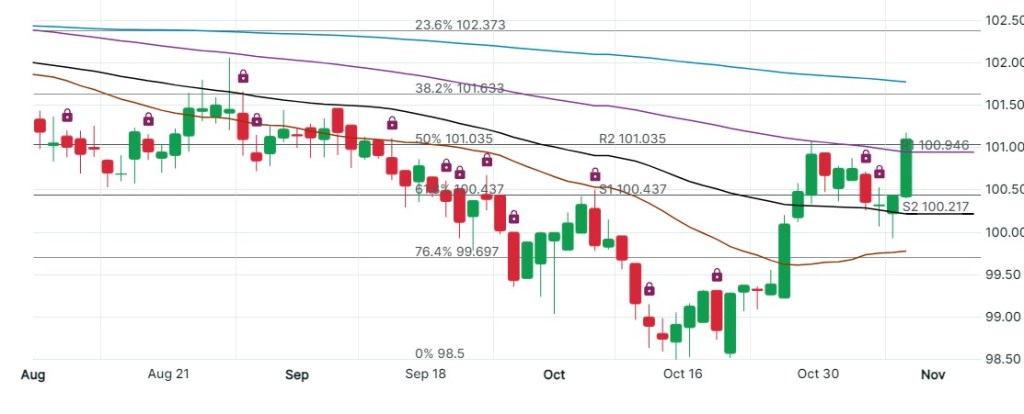
The graph below is the daily change in Mortgage interest rates. Up is lower rates. October 16th was 8.0% interest in the news. As you can see we have slowly and steadily moved off those high rates.
Get out there and get pre-approved. I keep harping on this for a good reason. We do Soft Pull Credit on all of our pre and conditional fully underwritten approvals. No harm to your credit.
We can already see it getting busier, so don’t be caught off guard when the rates really drop.
-
You can Use Logic to justify almost Anything, that’s its Power and its Flaw.
We look at numbers all day long and this week is no different. As I parse out the data, its easy to justify a conclusion.
The Consumer Price Index Report will be released tomorrow morning with a consensus that inflation will drop from 3.7% to 3.3%. This is partially due to decline in oil prices.
The Core inflation that strips out energy and food prices should stay flat. Shelter costs have been on the decline and are now 1.2% lower year/year.
We are holding onto rate gains like a 2 year old and their blanket.
As more data comes in this week, we hope to see continued drop in rates. Lets all be ready for 2024. Remember we do all Soft Pull credit for pre-approvals and fully underwritten pre-approvals. No harm in being proactive.
-
Triple Whammy but we recovered
Mortgage bonds were impacted by comments from Fed Governor Bowman, a weak 30-year bond auction, and remarks from Fed Chair Powell. However, we managed to recover.
Bowman continues to advocate for more hikes, despite being a lawyer rather than an economist. She highlights higher energy costs (down 17% in the last month), questionable job and wage growth.
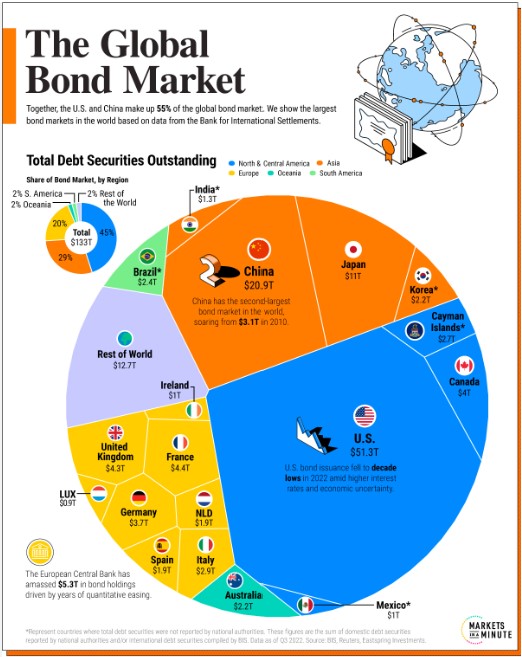
The 30-year bond Auction did not meet expectations. China reported a system hack, preventing them from buying bonds, and there has been a noticeable decrease in foreign demand. In 2010, 50% of Treasuries were foreign-owned, whereas now it stands at 30%.
Powell’s recent statements caused a spike, and he appeared more hawkish than in his previous statement.
The good news is the market and rates are holding steady.
-
Subscribe
Subscribed
Have a WordPress.com account? Log in now.

