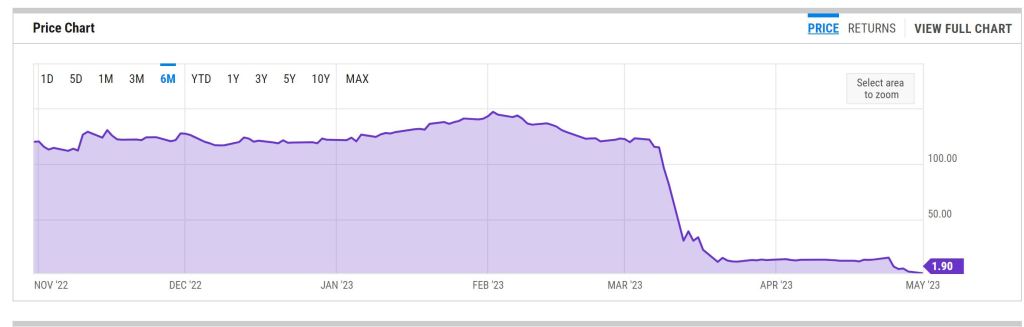
With Sunday’s news of the downfall of First Republic Seized by regulators into FDIC receivership, my first thought was how is this going to affect the bond market.
Typically this type of disruption would mean bond prices drop as well as interest rates. This did not happen. We saw minimal change at best. The market is calling this a piece of Ice not an Iceberg.
The Feds are expected to raise the Fed rate by 0.25 basis points Wednesday.
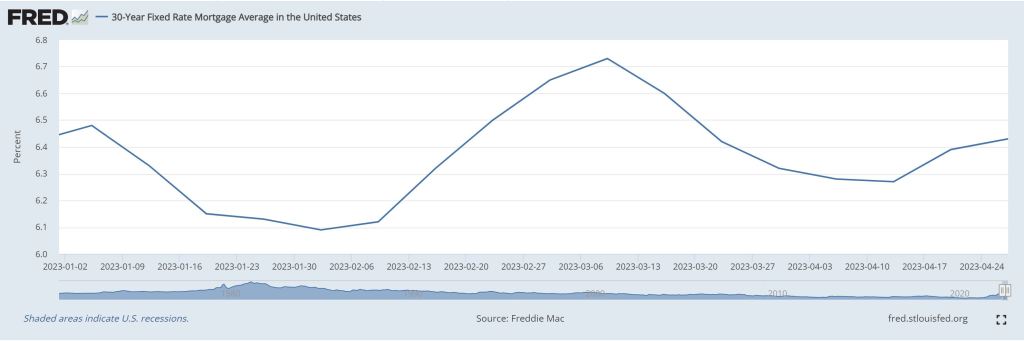
Rate average this year.
Headed into a meeting this morning, have a fantastic week.
I want what you have and you want what I have. Money solves the challenge of barter.
First Republic was flying high borrowing money at very low interest rates and then turning around and lending to homeowners below market average rates. Tough to compete with a lender offering a half to a full point lower than the national average.
As the interest rates rose those mortgages at the low interest rates started to lose their value. This on top of Silicon Valley Bank collapse spooked depositors and we had another run on a bank. Fortunately JP Morgan stepped in last night after the Feds announced the seizure of the bank.
The FDIC believes this and the other smaller regional bank failures are Unique within the banking industry.
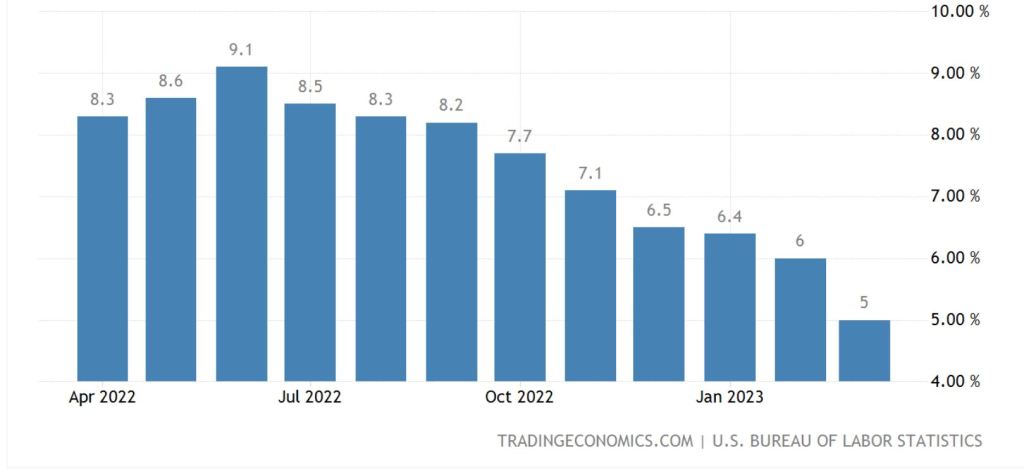
Personal Consumption Expenditures (PCE) showed inflation rose .01% in March, less than the expected 0.3%. Year over Year we have a decline from 5.1% to 4.2%. Better than the Markets had expected.
We have already seen some rate improvement. Lets see if the Feds are still driving looking at the rear view mirror.
It’s Friday, what a week. enjoy the weekend and always feel free to reach out.
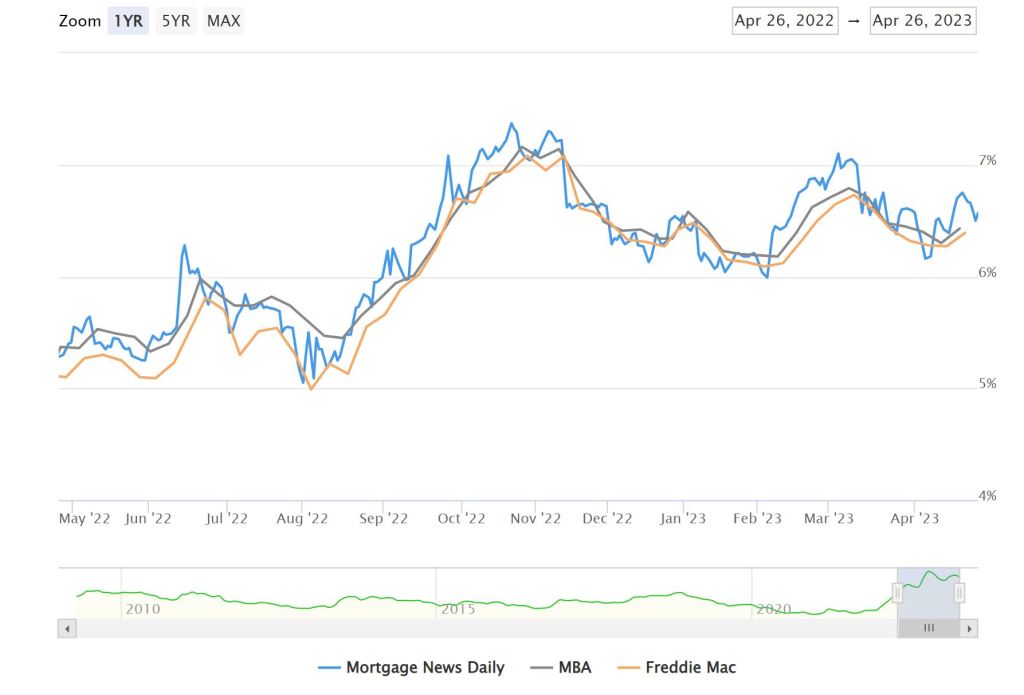
The graph displays the 30-year interest rates for a fixed term, spanning over 1 year. Despite reaching a peak in November and experiencing another smaller peak in March, we have been unable to surpass (drop below) the range of 6-7%.
As previously discussed in a recent post about payment disparities and interest rates, there is only a 30% increase in payment when going from a 3.5% to 6.5% loan, not double. Similarly, a shift from 3.5% to 5.125% results in approximately a 15% difference in payment.
These findings are crucial to inspire sellers to place their properties on the market.
I am off to three meetings this morning and just finished my second cup of coffee. Have a fantastic day, Friday is tomorrow.
Are you feeling confused about Fannie and Freddie’s actions with rates and credit scores?
This Video will provide clarity on the matter, revealing what’s really happening. Take just five minutes out of your day to gain a true understanding of loan pricing and credit risk mechanics.
We’ve reached the midweek mark and the sun is shining bright. Wishing you a fantastic rest of the week!
Spring has Sprung and buyers are out in force. We have the strongest new homes sales data in 13 months. The median home price also rose 3.8% last month to $449,800. This is the forth strong report in a row.
Below is the YouTube Video with a deep dive regarding Fannie Mae and Freddie Mac Low Credit score Risk pricing change and its real impact.
In the last week my inbox and on the internet has been flooded with this “new” unfair tax on mortgage borrowers with higher credit scores.
Before you Stop paying your bills to cash in on better pricing, let’s separate fact from fiction.
You will absolutely NOT get a better deal on a mortgage rate if your credit score is lower.
Low credit borrowers are not paying less than a high credit borrower.
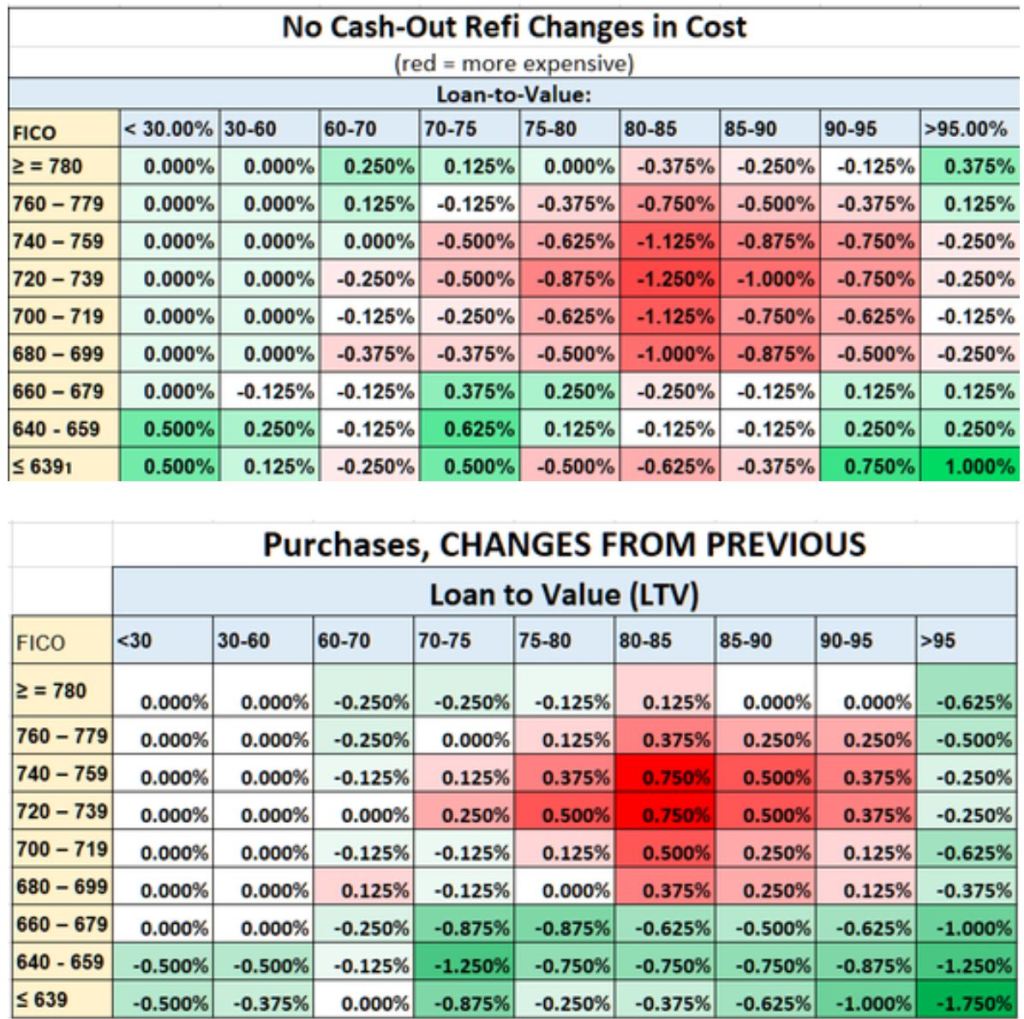
Let’s look at some charts. Red = rising costs. Green= Falling costs.
If you saw the first two charts or it’s your first time seeing them, you can be forgiven to think a low credit borrower is paying less than a high credit borrower.
*LLP is Loan Level Pricing , % cost of the loan amount. That is the % reference in the charts below.
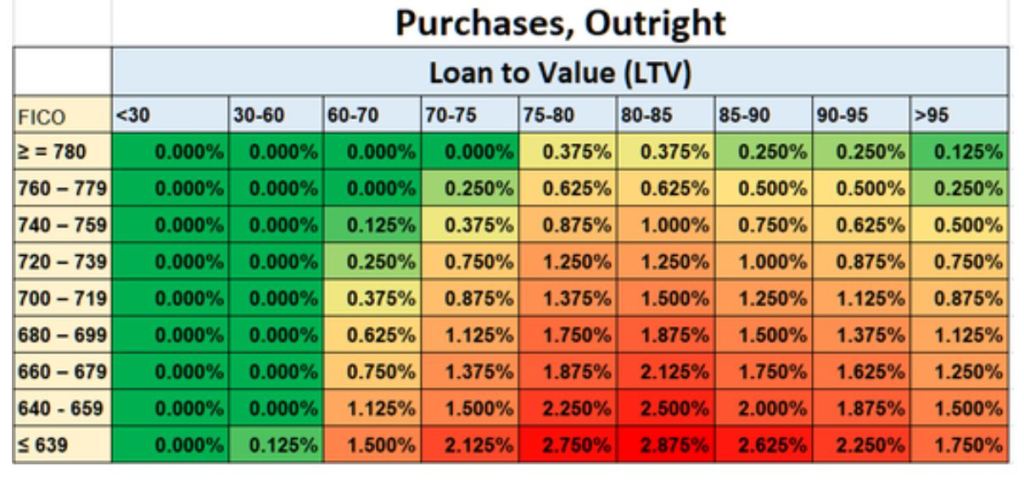
Let’s now look at the ACTUAL cost not the CHANGE.
If you have a 640 credit score, You’ll be paying significantly more than if you had a 740 score.
Freddie and Fannie have a “mission” to promote affordable home ownership. Their comments in the link below.
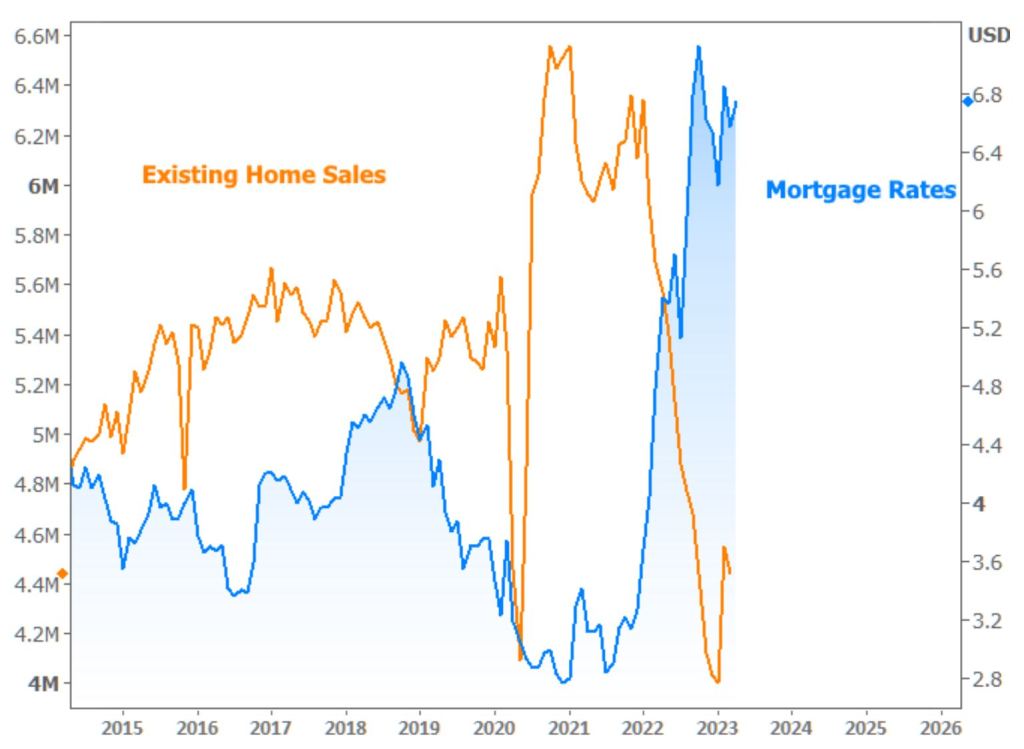
The National Association of Realtors (NAR) Reported the sales of previously owned homes which accounts for a vast majority of all home sales in the US.
Existing sales bottomed out in January at 4.00 million units annually. March numbers came in at 4.44 Million though nice, which was slightly lower than February at 4.55.
Looking at the chart below, it’s hard to overlook the correlation between rates and home sales. This chart helps clarify my 5.0% rate comment yesterday to help motivate potential sellers.
Its Friday enjoy your weekend and I will see you right here Monday.
90% of Homeowners have interest rates below 5.0% and 70% of those Homeowners have rates below 4.0%. – CNBC News
Interest Rates have to move lower before we can begin to sway these Homeowners in bulk. Lets look at a $500k purchase 20% down just Principle and Interest:
3.5% rate $1,796 6.5% rate $2,528
Our gut tells us it must be twice the payment but it’s actually only about 30% higher. What this tells us is once we are closer to 5.0% interest rate the payment shock will be far lower at only15% higher payment.
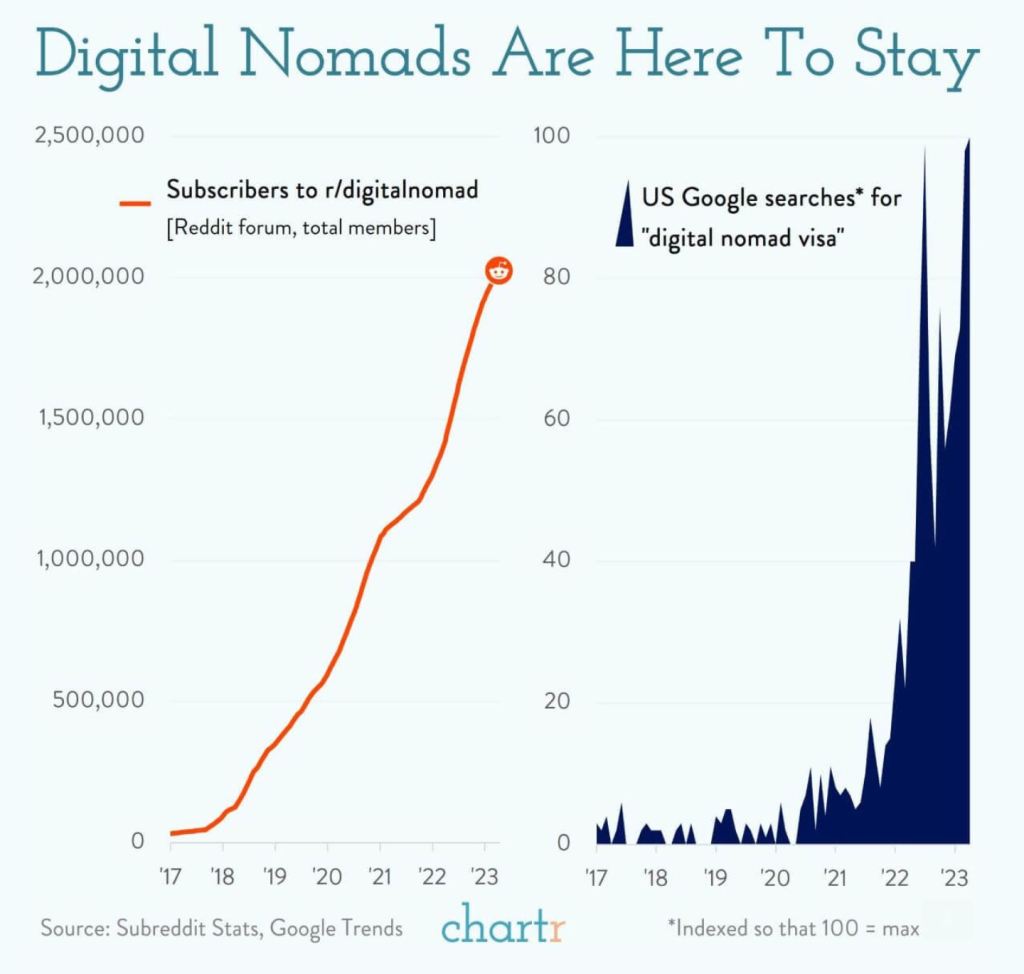
Interesting group below. These are digital nomads that can work anywhere, not just in the United States but the World. COVID has changed our working landscape far more than we may realize.
 Mortgage News