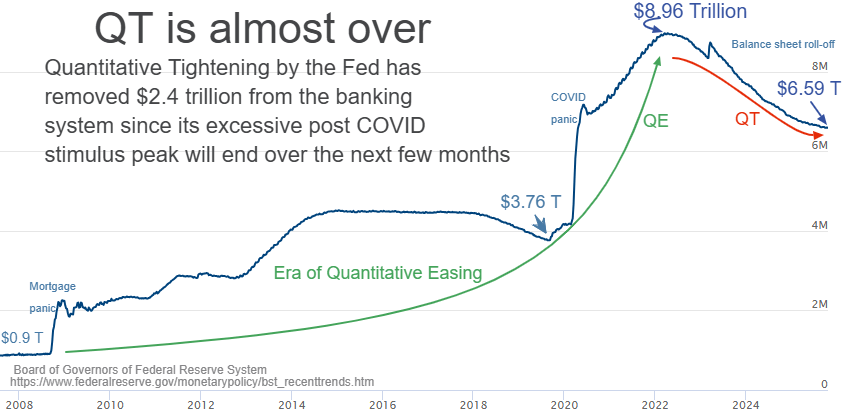
The recent round of Quantitative Easing, specifically the purchase of Mortgage-Backed Securities (MBS) was short-lived. This was expected, as the scale of these additional bond purchases was relatively small.
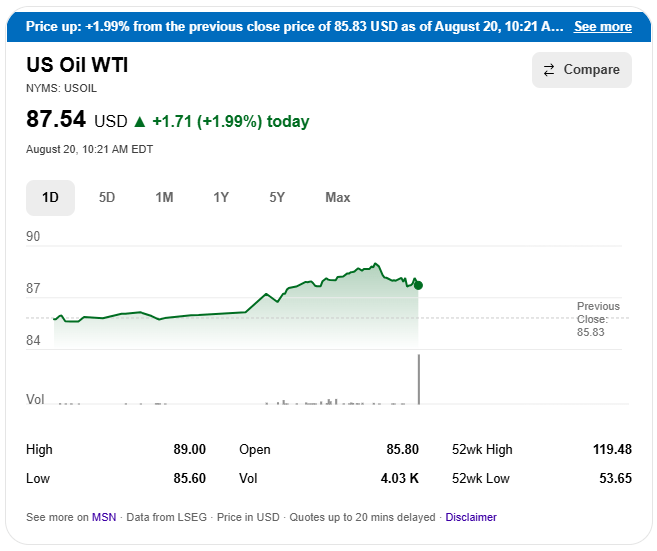
Geopolitical tensions involving Iran and the broader Middle East remain a key factor. Markets crave stability and tend to react volatilely in its absence.
While mortgage rates are holding steady, they have slipped slightly compared to the levels seen in previous weeks.
On other news, Cotality Single Family Rent Report shows rental prices up 1.5% year over year but fairly muted numbers.
Jobless Claims down but clearly shows the low hire/low fire labor environment.
Remember Quantitative Easing (QE) and Quantitative Tightening (QT)? Here’s a quick refresher.
QE involves the central bank purchasing government bonds and mortgage-backed securities (MBS). This injects stimulus into the economy by lowering long-term interest rates and boosting bank reserves.
QT is the exact opposite, a gradual reduction of the balance sheet by halting security reinvestments. Think of it as the economy’s braking system: it tightens reserves and generally pushes rates higher.
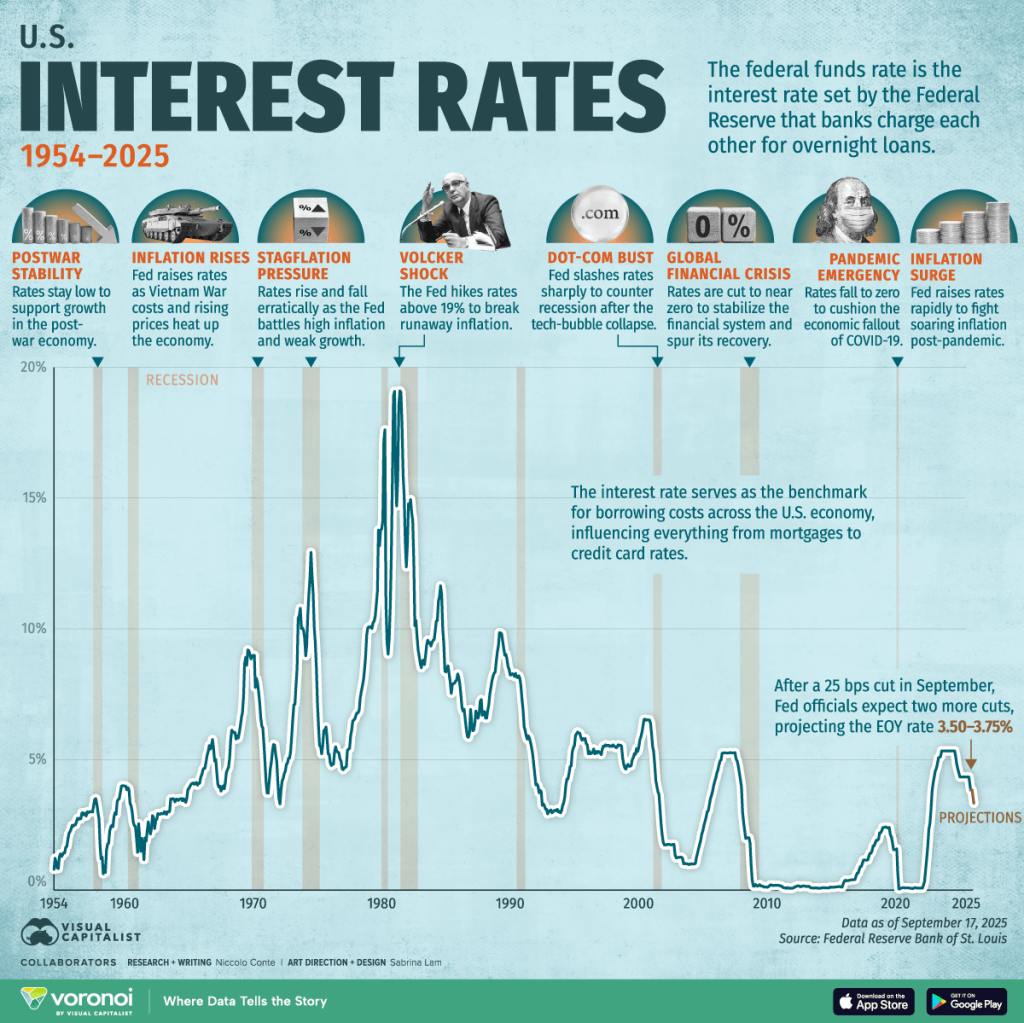
Historically, significant rate drops happen during QE cycles
Think 2008, 2014, and the 2020-2022 COVID era, when trillions were added to the balance sheet. After four years of aggressive QT, we have to wonder: is the tide finally shifting?
This may be the start of lower mortgage rates. let’s get you pre-qualified now.
We need more homes on the market, but we also want home values to rise. We can’t necessarily have both at the same time.
Builders are already pulling back. July housing starts fell 12%, with most of that decline coming from single-family homes. Higher rates and weaker affordability are making builders more cautious.
The resale market remains undersupplied, too. Existing-home inventory is roughly 400,000 homes below its 2019 level, while the Northeast has less than half the supply it had before the pandemic. Nationally, active listings remain about 12% below the 2017-2019 norm. realtor.com
The concern is that today’s construction slowdown becomes tomorrow’s inventory shortage. Builders aren’t responding only to today’s market – they are planning several years ahead. Housing development is a lot like making wine: what goes into the barrel today may not be ready for the market for another two or three years.
The bond market has a reason to be nervous today. The 60-day U.S.-Iran ceasefire framework has expired without a final agreement, and negotiations remain stalled. Both sides have accused the other of violating the agreement, while the biggest sticking point remains the Strait of Hormuz.
And this matters to mortgage rates.
The market had been hoping that a lasting agreement would remove some of the geopolitical and oil-price risk that has been pushing inflation expectations and long-term interest rates higher. A genuine de-escalation could take some pressure off bonds. In fact, analysts have noted that resolving the conflict could remove an energy-risk premium, although it wouldn’t automatically send mortgage rates lower.
But today, we’re back to the big question:
What’s next?
If negotiations restart and we see a credible agreement to reopen the Strait of Hormuz, we could see oil prices and inflation expectations move lower—and that could be very positive for bonds and mortgage rates.
If tensions escalate, however, the opposite could happen. Higher oil prices create renewed inflation concerns, and investors could demand higher yields to compensate for that risk. Shipping through Hormuz has already fallen dramatically from pre-war levels, keeping the market on edge.
The good news is that we also have some powerful economic forces working in the opposite direction: weak employment, softer CPI, weaker PPI and slowing consumer spending. Those are all arguments for lower rates.
So right now, we’re watching two competing stories:
📉 Economic data says rates should move lower. 📈 Geopolitical uncertainty says be careful.
That’s why the bond market is nervous.
The next major move in mortgage rates may come down to whether the Iran conflict moves toward resolution or escalation. For borrowers, this is another reminder that markets can change quickly.
The data is giving us reasons to be optimistic. Now we need the geopolitical picture to cooperate.
This is generally a good report for the Fed and potentially good news for mortgage rates, but there is an important wrinkle.
July retail sales fell 0.6%, versus expectations for a 0.1% gain. It was the first monthly decline in nine months. More importantly, the control group, which is used as an input into GDP calculations, fell 0.4%.
What does it mean?
1. The consumer is starting to slow down. Consumer spending has been one of the stronger parts of the economy. A significant miss like this suggests households may be becoming more cautious with their money.
2. This adds to the argument that the economy is cooling. Put this together with the weak July jobs report—23,000 jobs lost and the downward revisions to May and June, and we have several indicators pointing toward a softer economy.
3. That’s potentially good news for the Fed. The Fed has been concerned about inflation, but it also has a mandate to support employment. If inflation is coming down while employment and consumer spending are weakening, the argument for keeping rates elevated becomes less compelling.
4. And that’s where mortgage rates come in. The Fed doesn’t directly set mortgage rates, but expectations for future Fed policy influence Treasury yields and mortgage-backed securities. A cooling economy can ultimately create a more favorable environment for mortgage rates.
But here’s the catch…
The market didn’t simply look at the headline and say, “Great, rates are going down.” Some of the weakness was influenced by lower gasoline prices, the timing of Amazon Prime Day moving into June, and other temporary factors. Retail sales are also measured in dollar terms and aren’t adjusted for inflation.
So I would characterize today’s report as:
Weak consumer + weak jobs + cooling inflation = increasingly difficult argument for Fed rate hikes.
But it doesn’t guarantee lower mortgage rates immediately. The market still has to weigh inflation expectations, Treasury supply, geopolitical risk, and what the Fed believes the data means.
For your mortgage commentary, the clean takeaway is:
The Consumer Is Finally Showing Some Cracks. Retail sales were expected to rise 0.1%. Instead, they fell 0.6%. Combine that with weak employment numbers and cooling inflation, and the economy is sending the Fed a pretty clear message: the consumer is slowing down.
That’s exactly what we need to see if we’re looking for a path toward lower Fed rates and eventually, lower mortgage rates.
Have a fantastic weekend and always feel free to reach out to our team.
The latest PPI report came in weaker than expected, adding another piece to the growing story that inflation is cooling. After the softer CPI reading earlier this week, today’s PPI data gives the bond market another reason to breathe a little easier.
And the market is responding.
Rates are improving.
This is exactly the combination we’ve been looking for: softer inflation + a weakening labor market means more room for the Federal Reserve to consider lower rates.
Last week’s weak jobs report showed the labor market losing momentum, and now we’re seeing additional evidence that inflationary pressures may be easing. If this trend continues, the argument for the Fed to maintain higher rates becomes increasingly difficult.
Nothing is guaranteed, and we still have plenty of geopolitical and economic uncertainty. But for mortgage rates, this is the direction we want to see.
The beast isn’t dead yet—but we’re starting to tame it. 🐉
CPI Drops. PPI Expected to Follow. Mortgage Rates Drop.
We got the inflation news the market was looking for.
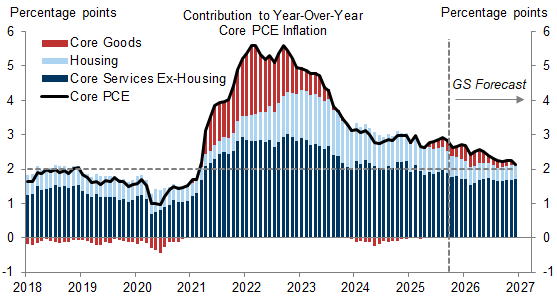
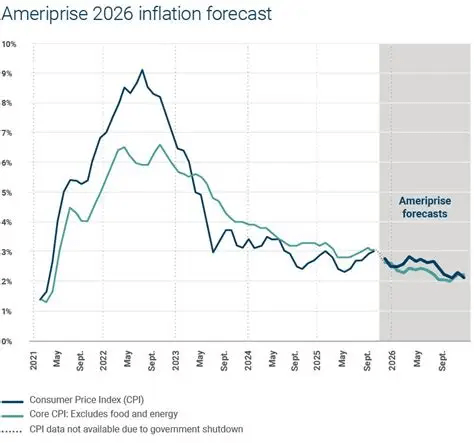
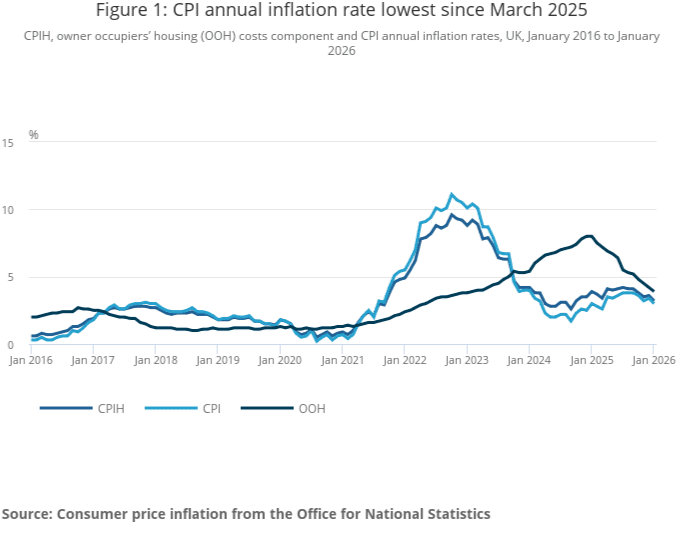
July CPI came in at 3.4% year over year, down from 3.5%, while core CPI held at 2.5% year over year. Both were essentially in line with expectations.
And the bond market liked it. The 10-Year Treasury moved lower, giving mortgage-backed securities a boost and providing some immediate relief for mortgage rates.
Now all eyes turn to tomorrow’s PPI report. Another softer inflation reading would add to the story we’ve been building: inflation is cooling while the labor market is weakening.
Put those two pieces together with last week’s disappointing jobs report and the significant downward revisions to May and June payrolls, and the argument for the Fed to keep raising rates becomes harder to make.
CPI is cooperating. Jobs are weakening. If PPI confirms the trend tomorrow, we could see another leg lower in rates.
Time to get ready for the housing market to heat up this fall.
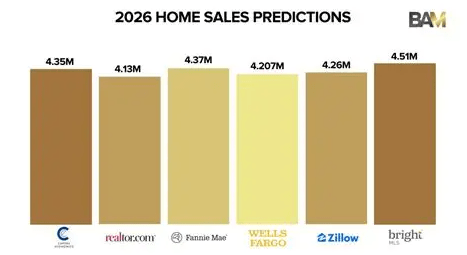
The latest Existing Home Sales report shows July closings declined 1.7%, bringing the annualized pace to approximately 4.06 million homes, just slightly above the 4.05 million expected.
While sales are lower than we would like to see, the bigger story may be just how stable the housing market has remained despite elevated mortgage rates.
It continues to come down to the basic economics of supply and demand.
Inventory actually fell 2% last month to 1.54 million homes, and is down about 0.6% from a year ago. That’s still a relatively tight supply of homes, especially when you remember that just a few years ago inventory was closer to 1 million homes.
Homes are also spending an average of about 29 days on the market, showing that buyers are still active when the right property comes along.
Some other interesting numbers:
Cash buyers: 26%, down from 31% last year
Investors: 15%, down from 20% last year
First-time buyers: 35%
Home values: Up approximately 1.5% year-to-date
The takeaway? Higher rates have slowed the housing market, but they haven’t broken it. Buyers are still buying, sellers are still selling, and limited inventory continues to provide support for home values.
If mortgage rates begin to move lower, the big question becomes: What happens when all those buyers who have been sitting on the sidelines decide it’s time to jump back in?
That could be a very different housing market.
If you’re thinking about buying or refinancing, now is the time to get prepared, not necessarily to wait for the perfect rate.
We have some important inflation readings coming this week that could provide additional relief for mortgage rates.
The Consumer Price Index (CPI) report is due Wednesday, and expectations are for headline inflation to ease from 3.5% to 3.4%. The core reading, which excludes the more volatile food and energy categories, is expected to decline from 2.6% to 2.5%.
While those may look like small moves, the direction matters. Combined with the disappointing July employment report and the downward revisions to May and June payrolls, we are starting to see a clearer picture of an economy that is cooling.
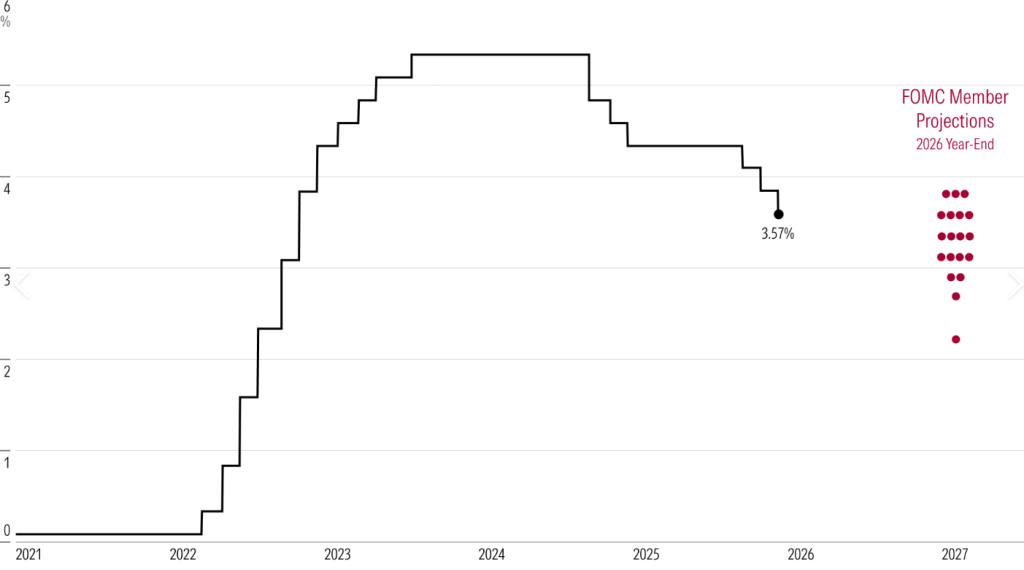
This is exactly the combination the Federal Reserve needs to see: inflation continuing to move lower while the labor market loses momentum. If that trend continues, it should give the Fed more room to move toward lowering the Federal Funds Rate.
Of course, the Fed doesn’t directly set mortgage rates, but lower inflation and expectations for future Fed rate cuts can help support the bond market, which is a major driver of mortgage rates.
There is also some encouraging news on the housing front. The Cotality Home Price Index continues to show that home values are holding up relatively well despite higher mortgage rates. That resilience is important for homeowners and buyers who have been waiting for a better opportunity.
So, what does this mean for you?
If you’ve been thinking about buying or refinancing, now is a good time to get prepared. You don’t have to wait for rates to hit the perfect number. Getting pre-qualified now allows you to understand your options, know your purchasing power, and be ready to move when the market gives you the opportunity.
The Bureau of Labor Statistics (BLS) released its July Jobs Report this morning, and it came in much weaker than expected. The economy lost 23,000 jobs, compared to expectations for an 80,000-job gain. In addition, payrolls for May and June were revised lower by a combined 103,000 jobs, reinforcing the view that the labor market has been slowing for several months.
In my opinion, this is exactly the type of data the Federal Reserve needs to acknowledge. The labor market is no longer showing the same level of strength it did a year ago.
The Fed’s dual mandate is to promote maximum employment and price stability. As inflation has moderated and the labor market has softened, the argument for maintaining, or even raising the federal funds rate becomes less compelling.
We also saw just how sensitive the bond market is to geopolitical headlines.
Mortgage rates had been improving over the past week, helped by renewed optimism surrounding a potential ceasefire agreement with Iran. Then, yesterday, reports surfaced that Iran and Oman were discussing changes to transit through the Strait of Hormuz, including the possibility of restricting U.S. and Israeli passage. Whether such restrictions could actually be implemented is highly uncertain, but the headline alone was enough to unsettle investors and temporarily push bond yields higher.
For borrowers waiting on the sidelines, today’s jobs report is encouraging. It doesn’t guarantee lower mortgage rates tomorrow, but it does strengthen the longer-term case that rates have room to move lower as the economy continues to cool.