Pending Home Sales, which measures signed contracts on existing homes, rose 1.6%. Apartment List Rental Report, showing new rents rose 0.6%, down from 0.8% year over year.
Q4 GDP Reading, showed the US grew at a 3.4% annualized pace. increase from 3.2%. Quarterly PCE Core remained at 2%, lower than estimates. Q4 was strong but typical for the Seasonal spending.
Initial Jobless Claims fell 2,000 to 210,000, which is lower than expected. Continuing Claims rose 24,000 to 1.819M. What this means is Employers are less likely to kick you to the curb, but also means it’s harder to find a job.
It feels as though we’re collectively holding our breath, waiting for the next piece of economic or inflation news to determine our next moves. In the meantime, we often find ourselves prioritizing small immediate gains over larger, more significant opportunities.
This year might be one where rates don’t drop as much as we’d hoped. Home values continue to rise, and the economy keeps chugging forward, regardless of our expectations.
We find ourselves milling around, focused on picking up that dime, when in reality, we’re stepping over all the dollars.
If you’re considering selling your home and relocating to a better or different location, there may not be a better time to do so.
However, if you’re waiting to buy a home until rates drop just a little bit more, you risk missing out on appreciation gains and finding the right home.
What are your priorities? Be the dollar, not the Dime.
Personal Consumption Expenditures (PCE) are projected to come in at or slightly below current levels 2.849%. This is the Fed’s favorite measure of inflation. The numbers come out Friday morning.
The NAR Settlement agreement has been a topic of conversation this past week and weekend. I had the great opportunity to speak with many real estate agents at their open houses.
My gut feeling is that this too shall pass. Rules change whether we like it or not, and the best we can do is learn, adapt, and continue forward.
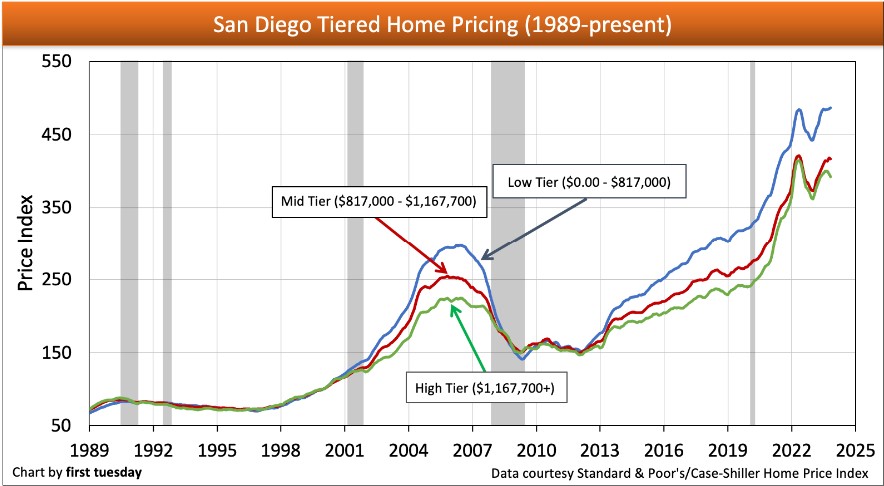
The Case-Shiller Home Price Index, considered the “Gold Standard” for appreciation, shows home prices fell by 0.1% in January, but we are now up 6% year over year, compared to 5.6% previously.
The FHFA House Price Index, which excludes cash buyers and jumbo loans, reported similar numbers, with a year-over-year increase of 6.3%.
Durable Goods Orders rose by 1.4%, slightly higher than the anticipated 1.1%. Overall, when transportation is excluded, orders rose by 0.5%. There were interesting revisions to January’s numbers, which were revised lower from 0.1% to -0.4%. This number is used for GDP calculations and could influence the Federal Reserve’s rate cut decisions.
Below is a short Video on the NAR Settlement as it relates to Lenders.
Chicago Fed President Austan Goolsbee, whom we’ve discussed before, stated this morning that he was in favor of three rate cuts this year. He emphasized:
“The Fed needs to strike a balance between its dual mandate of employment and inflation.”
Atlanta Fed President and voting member Raphael Bostic had a slightly different tune, advocating for one rate cut this year. He mentioned:
“I expect little or no change in the current 3.9% unemployment rate.”
Translation: If the unemployment rate increases, he may support more rate cuts.
New home sales remain stable at a 662,000 annualized pace, which is positive news, with sales up 5.9% year over year.
Here’s an interesting observation regarding the median new home price, reported at $400,500, down 3.5% from January and 7.6% from last year. While the initial reaction may suggest a downturn, it’s primarily a statistical adjustment due to the sale of lower-priced homes. Additionally, only 24% of builders reduced home prices, down from 36% in December, according to the NAHB.
My perspective on all of this is that the data is available; we just need a bit more time to validate it. Below Fed Dot Plot. Voting members forward indication of future Fed Rates.
We’ve previously discussed Quantitative Easing (QE) and Quantitative Tightening (QT), but let’s recap. QE and QT are monetary policies that either increase or decrease the central bank’s balance sheet. QE expands the balance sheet, whereas QT contracts it to curb inflation by raising interest rates.
The Federal Reserve has indicated the necessity to slow QT and shift towards a QE stance, thereby expanding their balance sheet and subsequently cutting rates.
Another persistent inflationary factor in the CPI is shelter costs. It’s important to note that while CPI examines around 80,000 data points for rents, Truflation measures over 10 million data points. Truflation indicates a 2.07% increase in rents, as opposed to the CPI’s reported 5.7%. We’re aware that there’s a lag in this data, and this should be reflected in upcoming CPI reports.
Overall, I foresee a trend towards lower Federal Reserve rates, inflation nearing 2.0%, QE on the horizon, and with the NAR Settlement, potentially increased inventory.
The graph below offers an interesting perspective on the last six FED rate hikes. While we were aware that the FEDs were aggressive, seeing it visually in this format amplifies its impact.”
The bond market has favored the FEDs’ rate hold this week, following a decline last week and earlier this week.
com·pen·sa·tion /ˌkämpənˈsāSH(ə)n/ noun as by rewarding someone for service or by making up for someone’s loss, damage, or injury by giving the injured party.
con·ces·sion /kənˈseSH(ə)n/ noun a thing that is granted, especially in response to demands; a thing conceded.
Compensation is essentially another term for commissions. It represents the contractual obligation of either the seller or buyer to pay the listing agent and/or buyer’s agent. This obligation is outlined within the sales contract or buyer-agent agreement.
Concession, on the other hand, refers to the act of the seller giving up or offering a monetary sum to the buyer, typically for covering closing costs, which can sometimes include compensation for the buyer’s agent.
It’s crucial to note that once concession is involved, specific loan type rules come into play, see image below. Government loans, for instance, do not permit seller concessions to be used for paying the buyer’s agent’s compensation. Furthermore, VA loans strictly prohibit any form of buyer compensation to the buyer’s agent, regardless of the funding source.
The National Association of Realtors (NAR) commission ruling from Missouri has several key details that we are still trying to grasp.
At the heart of the decision, filed back in 2019, is the matter of commissions and how agents are compensated, and how this information is presented (or not) on MLS listing services.
From a lender’s perspective, it raises the question: How do buyers pay for their agent? Do they have a buyer’s agent agreement in place? Is the buyer’s agent insisting on cash payment or seller commissions?
Here’s the rules:
Under federal regulation 1026.37(g)(4), if the mortgage loan originator is aware of any “other” costs related to the real estate transaction, they should clearly be disclosed on the LE.
Under federal regulation 1026.38 (j)(2)(v): “General seller credits. When the consumer receives a generalized credit from the seller for closing costs or where the seller (typically a builder) is making an allowance to the consumer for items to purchase separately, the amount of the credit must be disclosed.
If you’re an agent, please talk to us before drafting your contract. If you’re a buyer, please speak with us before signing any contracts. If you’re a seller, firstly, thank you for providing inventory, and secondly, please have your agent speak with a lender.
Finally a calming image to take the stress out of the day…
We tend to be our own harshest critics. Many things in life are achievable; it’s just a matter of figuring out how.
I often speak with first-time homebuyers and I can sense their trepidation. Perhaps they are the first in their family to buy a home, or maybe they feel they’re the last. In any case, it can be overwhelming.
Interest rates are what they are. The trend in inflation is moving in the right direction, unemployment is below 4%, and there is a wide array of sellers ready to make deals.
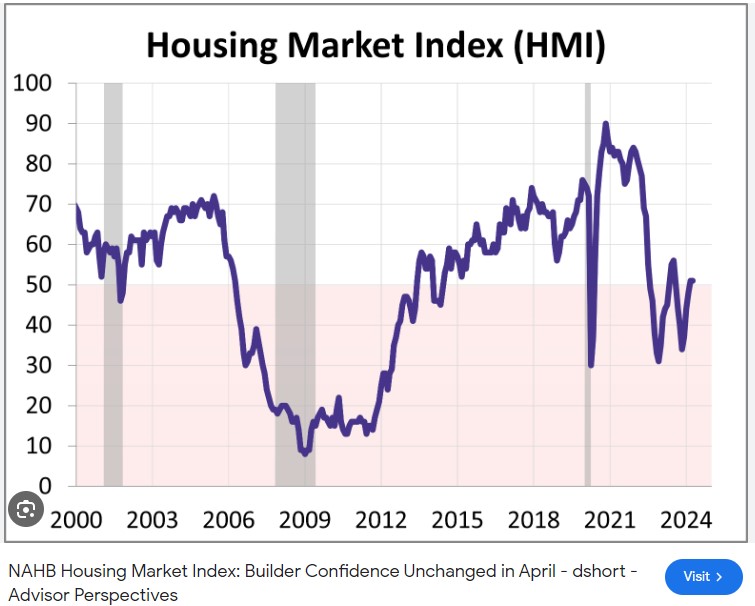
The NAHB Housing Market Index (builder confidence) has risen 3 points to 51, its highest level in 8 months. Sales confidence, future expectations, and buyer traffic are all on the rise, indicating an expansion mode.
The housing market and inventory will turn the corner; it’s not an impossible dream. Rates will stabilize.
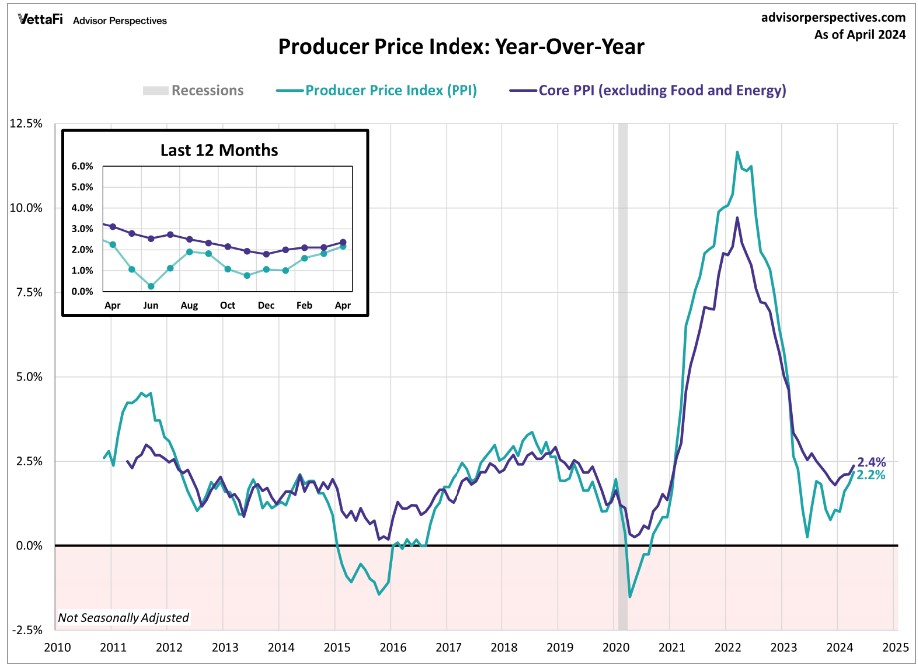
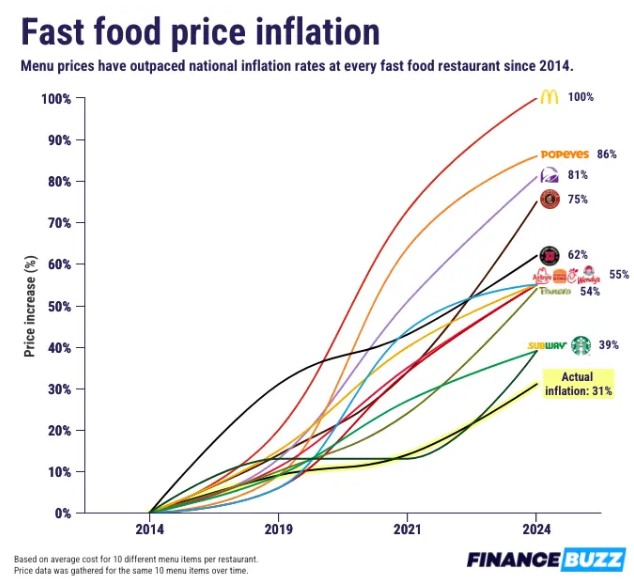
Two interesting graphs I ran across this weekend. Oil and Gas prices are a big component of inflation.