Corporations typically focus on maintaining profitability, so while they can raise just the prices on tariff-impacted goods, they often take a broader approach. Here’s how it usually breaks down:
- Direct Tariff Pass-Through: Companies may increase prices only on products directly affected by tariffs, especially if those items are clearly traceable to specific materials or imports (e.g., a particular electronics part or imported steel).
- Blended Price Increases: Many businesses choose to spread the cost of tariffs across a broader range of products. This avoids sharp spikes on a few items and softens the blow to consumer demand—basically, hiding the increase across a wider product line.
- Strategic Price Hikes: Some corporations take advantage of tariff news to raise prices on unrelated items under the cover of “inflationary pressures” or “supply chain disruptions.” This can quietly boost margins.
So, while they could limit price increases to just tariffed goods, in practice, companies often raise prices more broadly—especially if the market will bear it.
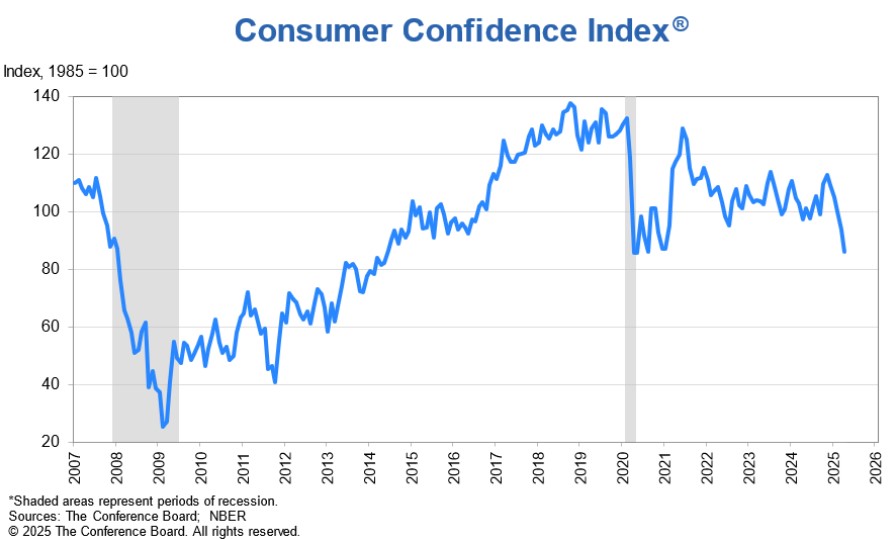
The Feds meet this afternoon to talk rates. The challenge is uncertainty with regards to inflation.
http://www.YourApplicationOnline.com Soft Credit Pull



 Mortgage News