The bond market is holding steady. After last week’s big move, investors appear to be shifting some money out of safe-haven bonds and back into riskier stocks. Normally, that would push rates higher.
The bond market may have already priced that in, along with the inflation numbers expected this week. That could be why rates haven’t moved much despite the shift.
For now, we’re holding steady but watching cautiously.
This week brings the ADP jobs report and new inflation data, and either one could move rates. I’ll keep you posted.
Nervous Markets, Lower Rates: What the Anthropic IPO Is Telling Us
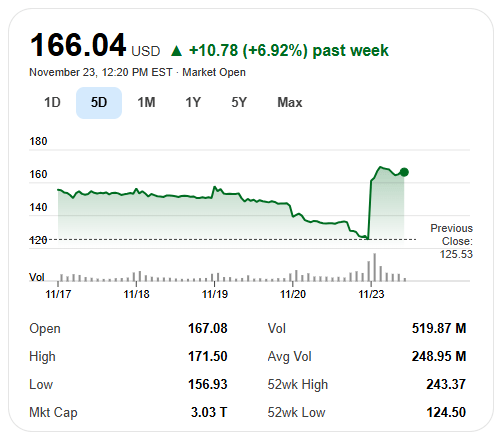
No one is rooting for the stock market to drop, but there are strong signs that something is up. The Nasdaq and the broader market have performed well, but most of those gains are concentrated in AI and tech.
Depth and diversity keep a steady hand on the wheel. Right now, that hand is shaking.
Anthropic’s IPO was the largest ever. It priced at $83 a share, shot up to $114, ended its first day in the mid-$90s, and is trading close to the IPO price again today.
That tells us the market is nervous. When investors get nervous, the winner is the bond market, as money flees to safety. Mortgage rates respond, and that’s what we’re seeing this morning.
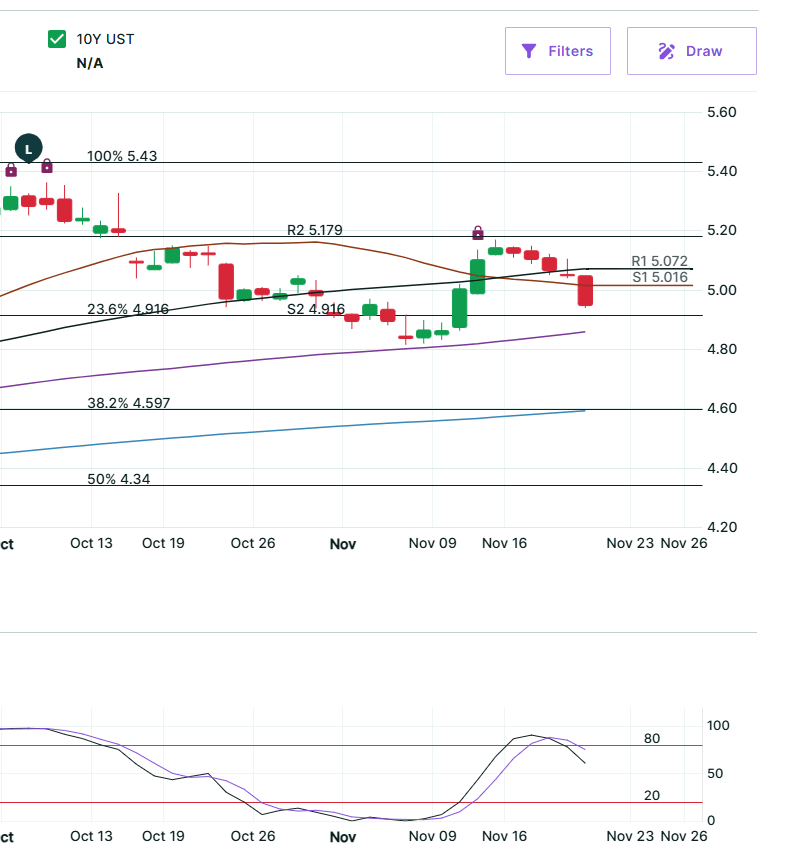
The chart below shows the 10-year U.S. Treasury yield. Down means lower rates, and we’re moving in the right direction.
Anthropic Goes Public Today: Why Mortgage Watchers Are Paying Attention
Anthropic’s IPO is today, and we’re on guard once ANT starts trading. As I mentioned yesterday, most investment money sits in either the stock market or the bond market, so a deal this big can pull money one way or the other. We’re watching the traders closely.
Foreign buyers are stepping up. Treasury released its TIC data for September. It tracks global cross-border money flows and who holds U.S. securities. The bottom line is that foreign nations were net buyers, led by Japan and China. That’s a big deal. Steady foreign demand for U.S. bonds helps keep mortgage rates stable.
Rents are climbing. Rents rose 2.3% in September, the biggest jump since June 2025. That’s most likely a lingering effect of higher rates over the past eight months. When buying gets harder, more people keep renting, and rents go up.
Pending sales hit a record low. Pending home sales fell 4.7% in October to the lowest level on record, going back to 2001. Pending sales are contracts signed but not yet closed, so they give a forward look at sales. Expect a sluggish Q4.
My take: Life moves on. There’s good news and bad news every day, but the world keeps spinning. Let’s be careful not to drive looking through the rear view mirror.
Most investment dollars sit in the stock market or the bond market. Very little sits in checking or savings accounts. So money managers really have two choices: stocks or bonds.
The stock market is cool and sexy. The bond market is warm milk and cookies.
When things are going great and people feel wealthy, stocks are the place to be. But when investors feel pressed, stressed and unsure what tomorrow will bring, they head for the comfort of bonds.
That’s exactly what’s playing out this week, on top of all the outages last week. The smart money is leaning toward a flight to safety, meaning bonds. But much of it depends on how Nvidia’s earnings report and Anthropic’s IPO land.
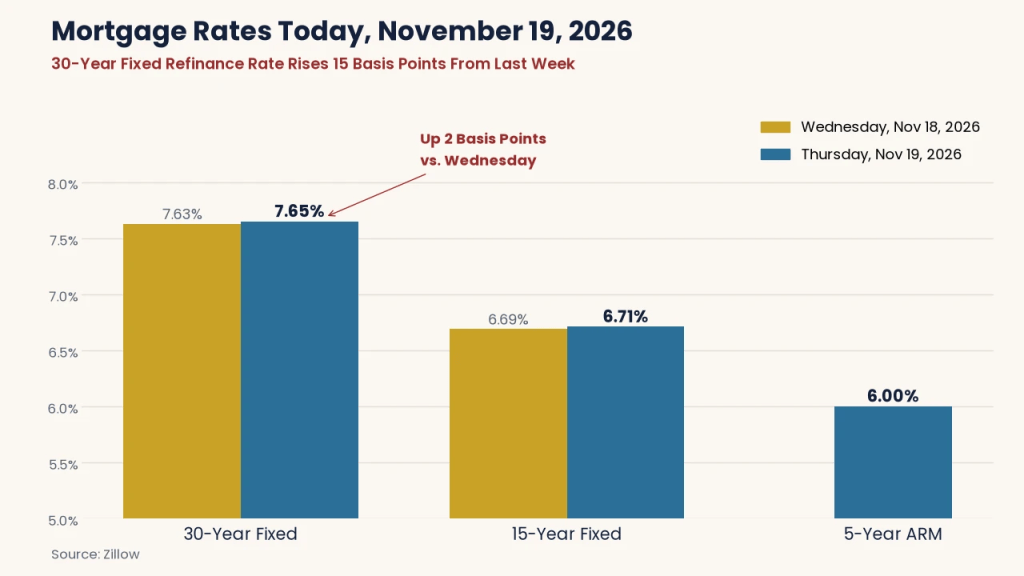
Here’s the key: mortgage rates follow the bond market. When money flows into bonds, rates drop.
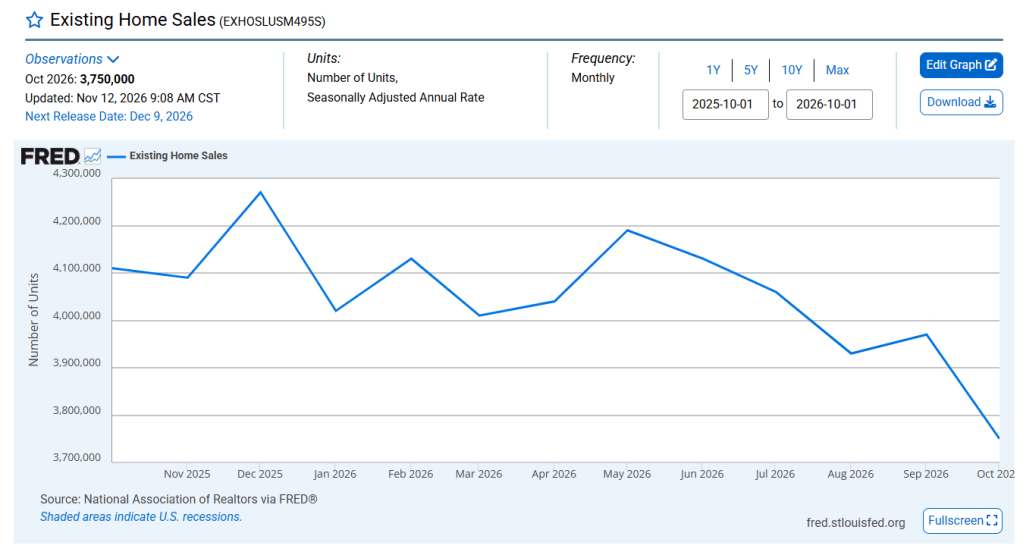
The housing market just hit the brakes, and hard. Mortgage rates jumped sharply in September, and October’s closing numbers show exactly how much that rate spike cooled buyer demand.
By the Numbers
Home closings fell 5.5% in October to an annual pace of 3.75 million units. That came in below the 3.85 million economists expected.
For perspective, this is the weakest sales reading since 2010, when the market was still digging out of the housing crash. That’s how much higher rates have squeezed activity.
Why Sales Slowed
It comes down to affordability. When rates jump quickly, monthly payments jump with them, and many buyers see their budgets shrink overnight.
The result is a standoff. Buyers are waiting on the sidelines, hoping rates or prices ease. Sellers are nervous, unsure whether to list now, cut the price, or hold off until spring.
What This Means for Buyers
A slow market can work in your favor. With fewer buyers competing, you may find:
More homes to choose from and less pressure to decide overnight
Sellers more open to negotiating on price, repairs, or closing costs
Fewer bidding wars and more room to keep smart contingencies
If rates ease later, you may have the option to refinance. You can’t go back and renegotiate the price, though. Buying when others are waiting can be a real advantage.
What This Means for Sellers
Today’s buyers are serious but cautious. To stand out:
Price it right from day one, since overpriced homes sit longer
Make sure the home is clean, repaired, and move-in ready
Consider offering incentives, like help with closing costs or a rate buydown, to make the monthly payment easier for buyers
The homes that are priced and prepared well are still selling.
The Bottom Line
This slowdown is a bump in the road, not a dead end. Markets move in cycles, and periods like this often create the best opportunities for prepared buyers and well-positioned sellers.
Whether you’re thinking about buying, selling, or both, the smartest move is having a clear plan. Reach out and let’s talk through your numbers, your timeline, and your options, with no pressure and no obligation.
US Markets are closed tomorrow for Veterans Day, so no morning update. A huge thank you to all our veterans!
CPI ran hot. Stocks and bonds are lower after headline inflation rose 0.4% and core rose 0.3%, each a tenth above forecasts. Rates reacted negatively as Bond yields drop.
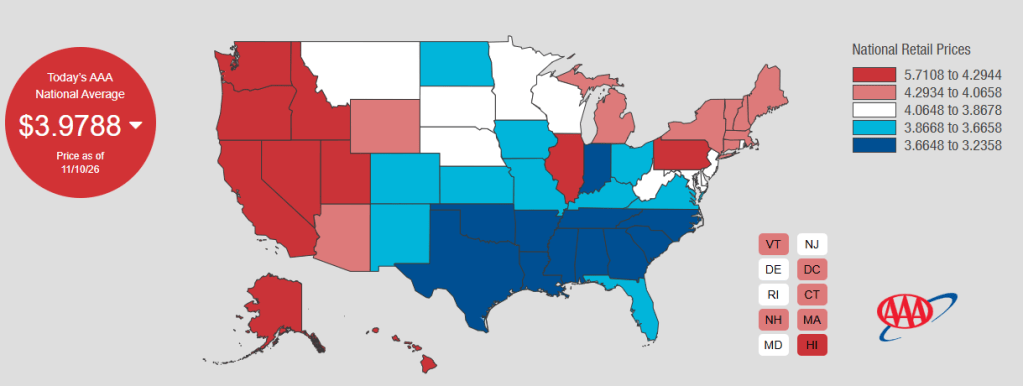
Energy pushed the headline up, but gas just slipped under $4 for the first time since July, so relief may be on the way. Shelter was half the story, and inflation is spreading to more categories.
Fed: A December hike looks like a done deal. Futures show 100% odds of 25bp, with a 10% chance of 50bp.
Jobs: ADP shows about 19,750 jobs a week, roughly 85K a month.
Housing: The MBS Highway index dropped to 14, a four-year low. Buyers are sitting on their hands, and price cuts still outnumber increases.
My take: This is a bump in the road, not a boulder. Oil prices are falling, housing is adjusting, and rates are heading in the right direction. Let’s see what November’s numbers show when they come out in December.
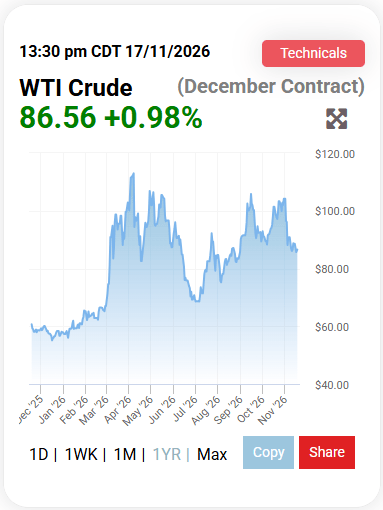
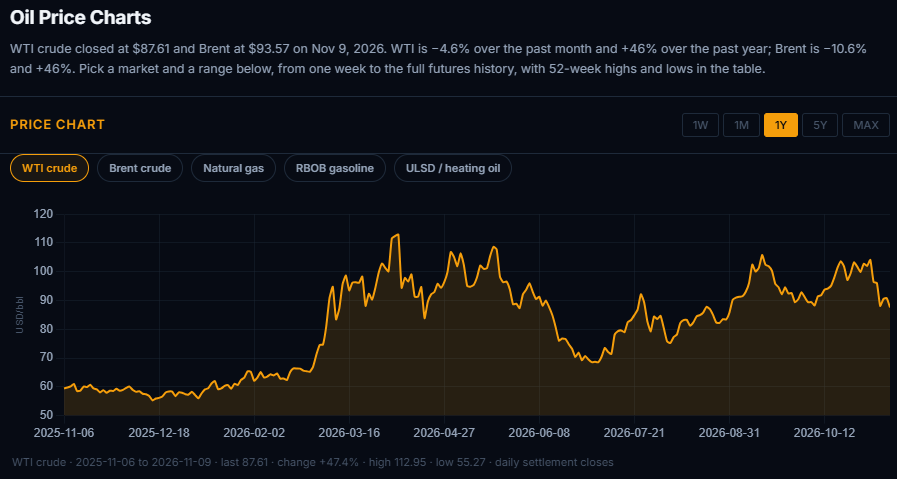
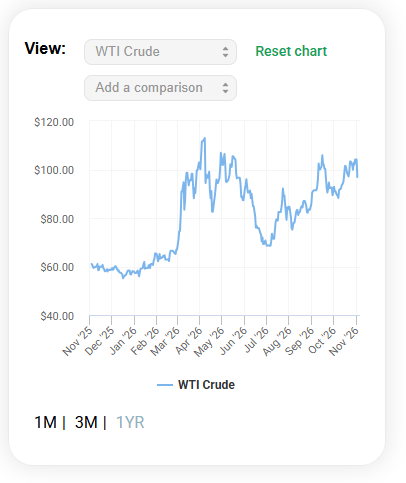
You can’t make this up. Nvidia CEO Jensen Huang admitted to an affair with a Megaspeed executive U.S. officials say was working for Chinese intelligence, and Congress wants answers by November 18. Same week, oil had its worst drop since 2020 on U.S.-Iran deal hopes, with Brent falling below $93.
Why it matters for mortgages: Cheaper oil cools inflation fears, which pulls down the 10-year Treasury, and mortgage rates follow. The 30-year average has slipped from about 7.5% to near 7%. Nvidia jitters are rattling tech stocks, which can push money into bonds but also shrink the stock wealth many buyers use for down payments.
What to do: If you locked near 7.5% or higher, look at a refi. But don’t count on it lasting; Iran talks are fragile. Watch CPI (Nov 10) and Nvidia earnings (Nov 17).
If the prediction markets are right, control of both the House and the Senate could shift to the Democrats. Why might the bond market like that?
It’s not about which party wins. It’s about divided government. With a Republican president and a Democratic Congress, big new bills become much harder to pass. Large spending packages and tax cuts tend to stall when each side can block the other.
Bond investors often see that gridlock as a positive. Less new spending can mean less new borrowing, which means fewer Treasury bonds flooding the market. Remember the house handing out full-size candy bars: when there’s less supply and steady demand, bond prices hold up, yields stay lower, and mortgage rates benefit.
Of course, prediction markets aren’t always right, and Washington rarely goes exactly as planned. But if the outcome is a divided government, the bond market may welcome it.
The first jobs report from JOLT came in stronger than expected but ADP and BLS come in later this week. Lets see what happens.
My take: Life moves on, and this too shall pass. Elections, headlines and market swings always feel bigger in the moment than they turn out to be. It’s rarely as good or as bad as it seems.
Housing has worked through elections, rate cycles and plenty of uncertainty before, and people keep buying homes because their lives keep moving. Families grow, jobs change, and kids head off to school. So focus on what you can control: your budget, your pre-approval and your plan. The noise will settle, and the people who are prepared will be ready when it does.
Tech stocks took a beating last week, and buyers saw an opportunity this morning, so the sector is bouncing back a bit.
Signs of diplomatic progress on the Iran conflict are also easing oil prices and helping the bond market.
On top of that, a proposed trade deal with Canada includes the Keystone XL pipeline.
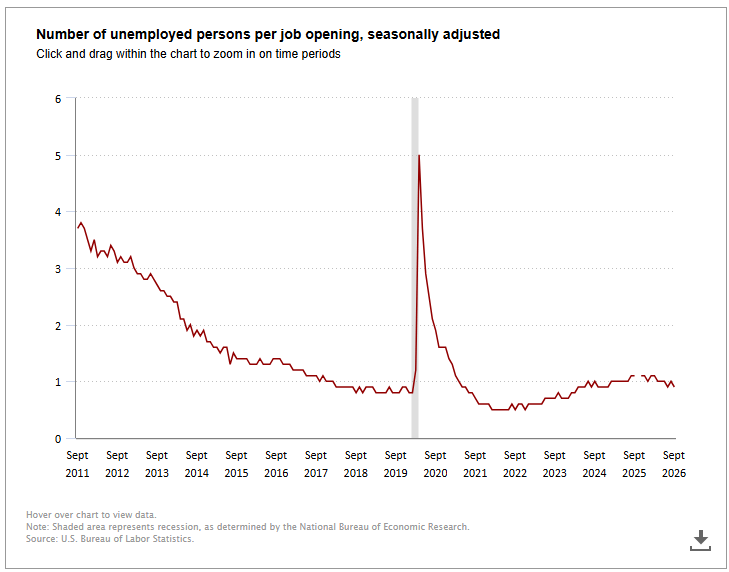
Jobs data this week is critical. The Fed seems comfortable with the current “low hire, low fire” environment, even though recent jobs numbers haven’t been stellar. Forecasts call for about 65,000 jobs created in October. My number is 52,000. We’ll find out by the end of the week who’s right.
My take: Everything points to a soft landing with lower rates, lower oil prices and a little breathing room. The election’s impact is less about who wins and more about removing the unknowns.
Get ready for a stellar 2027. Get your house in order and get pre-approved for a mortgage: www.YourApplicationOnline.com
Quick recap, no tricks: When bond prices go up, yields go down, and mortgage rates follow.
That’s what’s been happening this week and last. Investors are running scared from the haunted house of tech and AI stocks, and they’re taking shelter in the safest house on the block: the U.S. bond market.
Think of it like the house that hands out full-size candy bars. Word gets out, and suddenly there’s a line down the street. When everyone wants what you’ve got, you don’t give it away at the old price. The price goes up.
Same with bonds. More demand pushes bond prices higher, and higher prices mean lower yields. Lower yields mean lower mortgage rates. That’s a treat for buyers, sellers and anyone thinking about a refinance.
My take: A trend is starting to emerge. One of my favorite analogies is “watch the dog, not the tail.” The tail wags all over the place, like the daily ups and downs in the market. The dog is the direction things are actually heading, and right now that direction looks good.
Now’s the time to get prepared and get your clients prepared for the new year. Buyers who have their numbers, pre-approval and game plan ready will be the first ones through the door when the market picks up.