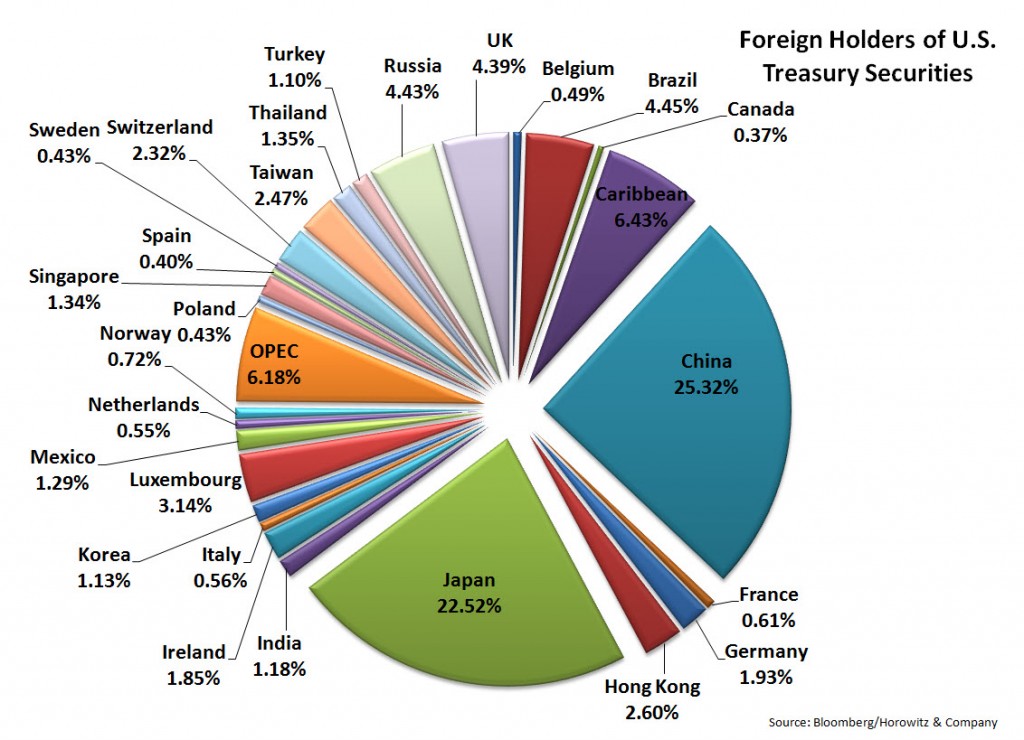
One of the main reasons foreign nations purchase U.S. Treasuries is to help keep their currencies weaker relative to the U.S. dollar.
Why would they want a weaker currency? Because it makes their exports less expensive and more competitive in the U.S. market. A stronger dollar means American consumers can buy more foreign goods, helping export-driven economies.
So why are some countries buying fewer Treasuries today?
The answer may be energy. Oil is priced globally in U.S. dollars. When the dollar becomes too strong, it takes more of a foreign country’s local currency to purchase the same barrel of oil. That increases costs throughout their economy.
As a result, some nations are facing a tradeoff. Instead of buying additional U.S. Treasuries and helping keep their currencies weak, they are choosing to preserve the strength of their own currency to offset rising energy costs and inflation pressures at home.
In simple terms, they are sacrificing some export competitiveness to reduce the pain of higher-priced imports, especially oil.
That shift means less foreign demand for U.S. Treasuries, and when demand for Treasuries falls, yields tend to rise. Higher Treasury yields often translate into higher borrowing costs throughout the economy, including mortgage rates.
It’s another reminder that today’s interest rate environment isn’t just about the Fed. It’s also about global trade, energy markets, currencies, and the decisions being made by central banks around the world.
Time to get pre-approved http://www.YourApplicationOnline.com