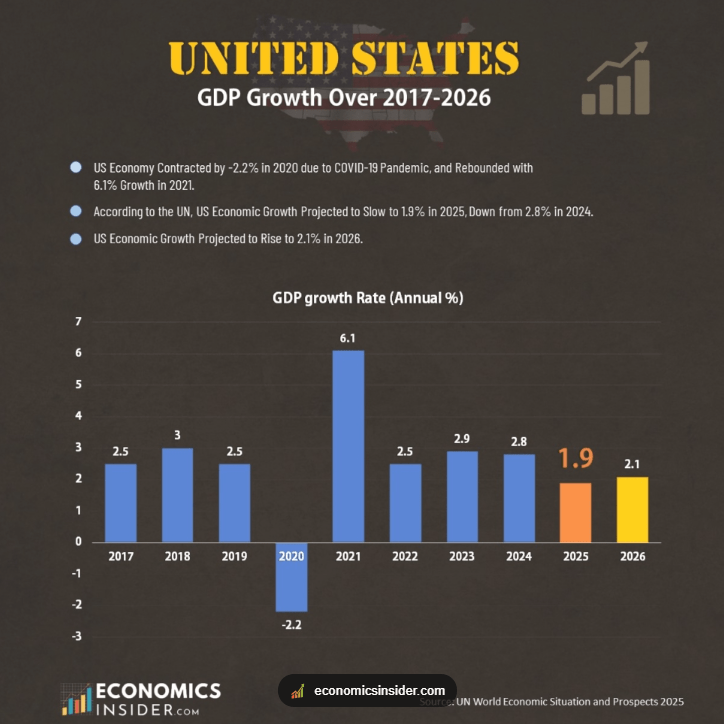
GDP for Q4 came in at 0.7% growth, a notable slowdown and roughly half of the initial estimate. The revision highlights that economic momentum late in the year was much softer than originally believed and came in well below market expectations. Slower growth at the end of the quarter suggests that consumers and businesses were already beginning to show signs of caution.
At the same time, Personal Consumption Expenditures (PCE)—the inflation measure closely watched by the Federal Reserve—came in right in line with expectations, offering little surprise to markets. Stable PCE data indicates inflation pressures are not accelerating, but they also are not easing dramatically enough to force immediate policy changes.
The challenge with economic data like this is timing. These numbers reflect what already happened in the fourth quarter, meaning we are essentially looking through the rear-view mirror. Since then, markets have been dealing with new geopolitical tensions and volatility in energy and bond markets, which could alter the economic trajectory moving forward.
In other words, the data tells us where the economy was, not necessarily where it is going. The real question now is how the latest global uncertainty and market reactions will influence growth, inflation, and ultimately interest rate policy in the months ahead.
website http://www.YourApplicationOnline.com