The recent decision by the Supreme Court of the United States to halt tariffs could have meaningful long-term implications for inflation and rates.
Most financial analysts and economic data indicate that U.S. consumers have borne the majority of tariff costs through higher prices on imported goods. When tariffs are imposed, those added costs are often passed directly to businesses and ultimately to households.
If those tariffs are reduced or removed, it eases input costs across supply chains, from raw materials to finished goods. That creates downward pressure on prices, particularly in consumer goods categories that were heavily exposed to trade restrictions.
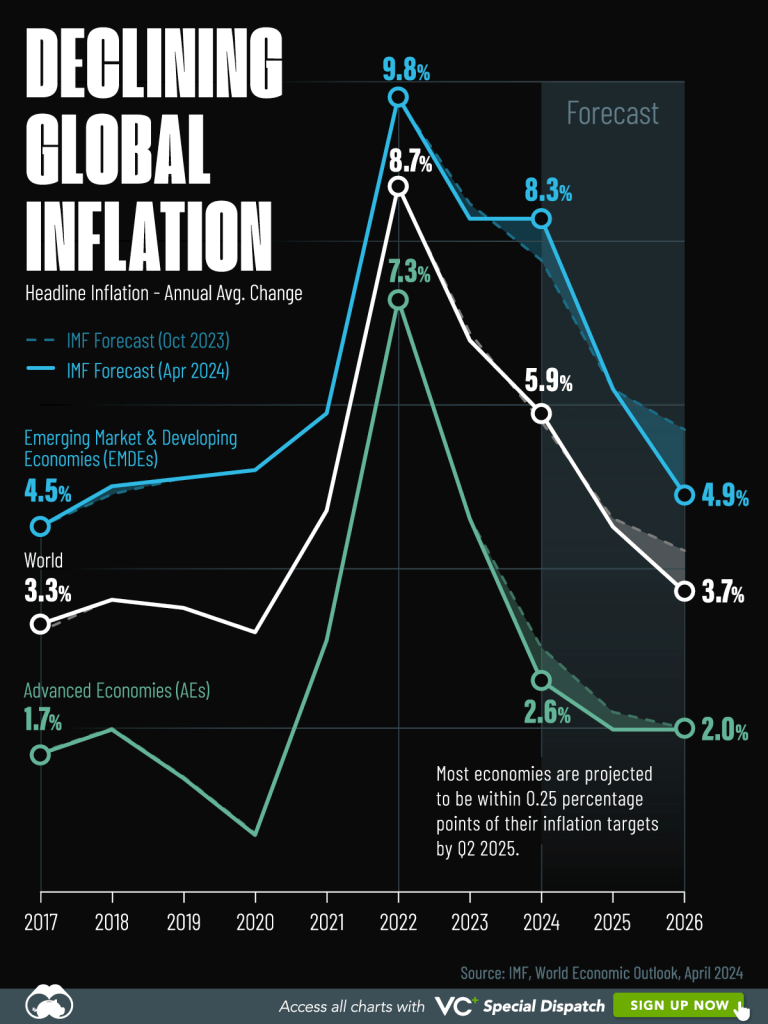
With inflation currently around 3%, the removal or softening of tariff-related price pressures gives inflation a clearer path toward the Federal Reserve’s target of 2%. While tariffs are not the sole driver of inflation, reducing structural cost burdens within the economy meaningfully improves the probability of achieving price stability without additional tightening.
In short: fewer tariffs = lower embedded costs = improved odds of returning to the “golden” 2% inflation target and Rates dropping.
Let’s get you pre-approved today. http://www.YourApplicationOnline.com