A Mixed Bag of Economic Data Leaves Markets Guessing
The latest Personal Consumption Expenditures (PCE) data surprised to the upside, with headline PCE rising 0.7% in March—beating the 0.5% forecast. Incomes also rose more than expected, up 0.5% versus the 0.4% estimate, signaling continued consumer strength. Encouragingly, the Core PCE, the Fed’s preferred inflation gauge, eased to 2.3% year-over-year, down from 2.7%, offering a glimmer of hope on the inflation front.
However, the broader economic picture remains cloudy. Q1 GDP came in at -0.3%, marking the second consecutive quarter of negative growth—technically meeting the definition of a recession. Meanwhile, headline PCE inflation for the year jumped 3.7%, above the 3.1% forecast, keeping inflation concerns alive.
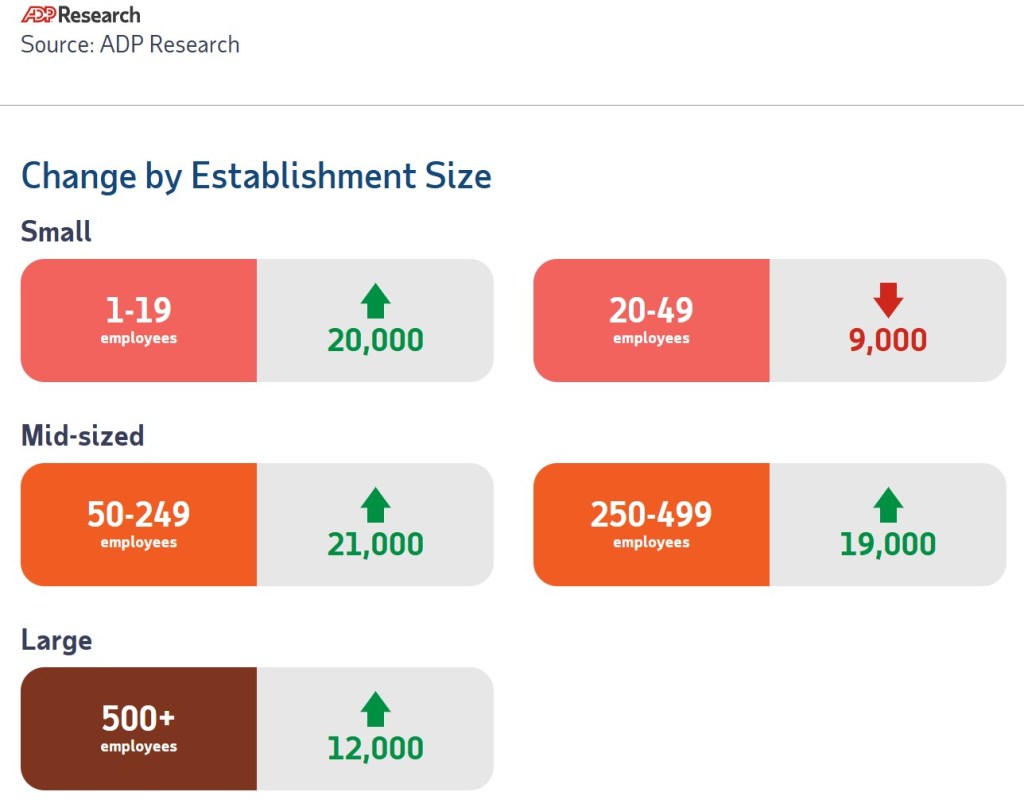
On the labor front, the ADP Employment Report showed just 62,000 jobs created in April—well below the 120,000 expected—adding to the uncertainty.
So, what does all this mean? It’s hard to say. Q1 data was likely distorted by pre-tariff stockpiling and global hedging strategies, making it difficult to read true underlying trends.
The bond market is caught in the crossfire of mixed signals. On one hand, softer job numbers and cooling core inflation support lower rates. On the other, rising headline inflation and whispers of foreign central banks, like China, reassessing their U.S. bond holdings could push yields higher. It’s a tug-of-war with no clear winner—at least for now.
http://www.YourApplicationOnline.com soft credit pull